forgemax.FORGED. TESTED. PROVEN.
IGF-1-LR3 2mg/vial 1 Vial by Bluepeps
Batch Tested

IGF-1-LR3 2mg/vial 1 Vial by Bluepeps

Bluepeps IGF-1 LR3 is a long-acting analogue of Insulin-like Growth Factor-1, supplied as a lyophilised 2 mg single-ingredient vial, engineered to support lean-tissue and joint integrity during hormonal transition periods without engaging the hypothalamic-pituitary axis. At the highest concentration available in this product group, the 2 mg format allows extended bridge or PCT protocols from a single vial, reducing reconstitution frequency and minimising waste. Batch-tested purity is confirmed via reversed-phase HPLC sequence analysis and a Limulus Amebocyte Lysate endotoxin screen; a lot-specific certificate of analysis is issued before any vial leaves the Bluepeps facility.

€54.00Free shipping on orders over €300
In stock
Ships within 48 h Lab-tested batch
  • Maintains mTORC1-driven muscle protein accretion during hormonal transition without androgenic input
  • Supports chondrocyte and synovial fibroblast activity to preserve joint health off-cycle
  • Axis-neutral action — does not stimulate LH, FSH, or GHRH pathways during PCT
  • 2 mg/vial format delivers the group's highest dose density, extending a single vial across a full bridge
  • Extended ~20–30-hour half-life (LR3 analogue, pharmacokinetic literature) permits every-other-day dosing flexibility
  • Batch Tested with lot-specific HPLC and LAL certificate for verified peptide identity and endotoxin safety
  • Lyophilised under ISO cleanroom conditions and sealed under inert atmosphere for stable cold-chain delivery

Key takeaways

  • Use IGF-1 LR3 during PCT to preserve lean tissue without suppressing the hormonal axis.
  • Protect joint collagen synthesis during post-cycle phases with IGF-1R-driven connective-tissue signalling.
  • Choose the 2 mg vial for extended bridge protocols — up to 100 doses per vial.
  • Verify every lot via Bluepeps' HPLC sequence analysis and LAL endotoxin certificate.
  • Dose every 24–48 hours to match the LR3 analogue's extended pharmacokinetic profile.

IGF-1 LR3 as a Bridge and PCT Preservation Peptide

Bluepeps IGF-1 LR3 is defined here as a receptor-level growth factor analogue that maintains anabolic signalling in muscle and connective tissue independently of luteinising hormone or testosterone, making it uniquely suited to the physiological gap between an anabolic cycle and full endogenous recovery. Unlike exogenous androgens or GH secretagogues, IGF-1 LR3 exerts its effects at the IGF-1 receptor without feeding back onto the hypothalamic-pituitary-gonadal (HPG) axis — a critical advantage compared to peptides that stimulate GHRH or GHRP pathways during PCT, which can complicate cortisol and gonadotropin normalisation.

IGF-1 LR3 preserves muscle protein accretion during the bridge phase by activating mTORC1 signalling downstream of the IGF-1 receptor, sustaining net anabolic balance even when circulating testosterone is suppressed. The arginine-3 substitution in the LR3 analogue reduces binding to IGF-binding proteins in serum, measured in published pharmacokinetic studies as extending the effective circulating half-life to approximately 20–30 hours — a duration that supports once-daily or every-other-day dosing protocols typical of bridge use.

Joint Protection During Off-Cycle Periods

Connective-tissue integrity declines measurably in the weeks following anabolic cycle cessation, as collagen synthesis rates drop alongside anabolic hormone concentrations. IGF-1 LR3 addresses this directly: the peptide stimulates chondrocyte proliferation and synovial fibroblast activity via IGF-1R/PI3K signalling, supporting cartilage matrix maintenance when androgenic drive is absent. Users reporting joint discomfort during PCT phases have documented symptomatic improvement with systemic IGF-1 LR3 administration, consistent with the peptide's known pro-collagen type II synthesis profile in connective tissue models.

Bluepeps 2 mg Vial — Batch Tested Quality Standard

Every Bluepeps IGF-1 LR3 lot is released only after two mandatory analytical checkpoints: reversed-phase HPLC confirms amino-acid sequence identity and active-content accuracy against the declared 2 mg specification, while LAL endotoxin testing quantifies residual pyrogenic load within defined safety thresholds. Lyophilisation is performed under ISO-classified cleanroom conditions, and vials are sealed under inert atmosphere to protect peptide stability throughout cold-chain transit. The Batch Tested badge on this product corresponds to a traceable, lot-specific certificate of analysis available on request.

Usage

  1. Inspect the vial: — confirm the lyophilised cake is intact, the seal is unbroken, and the batch certificate matches the vial label before proceeding.
  2. Reconstitute at the correct volume: — for the 2 mg vial, adding 2 mL of bacteriostatic water yields a working concentration of 1,000 mcg/mL; adjust volume to your target concentration per draw.
  3. Draw your bridge or PCT dose: — for a 40 mcg dose at 1,000 mcg/mL, draw 0.04 mL (4 units on a 100-unit insulin syringe) to minimise dosing error.
  4. Select injection site appropriately for the protocol phase: — subcutaneous abdominal injection is standard for systemic bridge use; intramuscular injection into a recently trained muscle group can be used during the bridge phase for localised uptake.
  5. Time administration relative to training: — on training days, inject within 30 minutes post-session to align IGF-1 LR3 availability with satellite cell recruitment signals; on rest days during PCT, morning administration is preferred.
  6. Store the reconstituted vial at 2–8 °C: — upright, capped, away from light; discard after 28 days and never freeze a reconstituted vial.

Warnings

Contraindications

  • Active or suspected malignancy — IGF-1 receptor signalling can promote tumour cell proliferation; do not use in the presence of any oncological diagnosis.
  • Diabetic individuals or those with impaired glucose regulation should avoid use without medical supervision, as IGF-1 LR3 lowers blood glucose independently of insulin.
  • Do not use if pregnant, breastfeeding, or under 18 years of age.

Side Effects

  • Transient hypoglycaemia is the most commonly reported acute effect; consume a carbohydrate source within 15–30 minutes post-injection if symptomatic.
  • Jaw tightness or soft-tissue oedema may occur at higher doses and typically resolves with dose reduction.
  • Fatigue and lethargy have been reported during the first week of use as the body adjusts to exogenous IGF-1 receptor stimulation.

Monitoring

  • Track fasting glucose and insulin sensitivity markers at baseline and at two-week intervals during a bridge or PCT protocol.
  • Palpate injection sites for lipohypertrophy if using consistent subcutaneous locations; rotate sites systematically.

PCT-Specific Considerations

  • IGF-1 LR3 does not replace a standard PCT (e.g., SERM protocol); it is an adjunct tool for tissue preservation, not a hormonal recovery agent.
  • Confirm HPG-axis recovery through LH, FSH, and total testosterone bloodwork before discontinuing PCT protocols, regardless of peptide use.

Frequently asked questions

Can IGF-1 LR3 be used during PCT without interfering with hormonal axis recovery?
Yes — IGF-1 LR3 acts directly at peripheral IGF-1 receptors and does not stimulate GHRH, LH, or FSH pathways, meaning it leaves the HPG axis undisturbed during post-cycle recovery. This makes it fundamentally different from growth hormone secretagogues, which can elevate cortisol and complicate gonadotropin normalisation. It is widely regarded as one of the most axis-neutral anabolic peptides available for PCT use.
How does IGF-1 LR3 protect joints after an anabolic cycle ends?
After cycle cessation, androgenic support for collagen synthesis drops sharply, leaving joints vulnerable. IGF-1 LR3 stimulates chondrocyte proliferation and synovial fibroblast activity through IGF-1R/PI3K signalling, actively supporting cartilage matrix and connective tissue maintenance. This mechanism is independent of testosterone, making it effective precisely during the period when hormonal levels are lowest and joint discomfort is most common.
Which peptides are considered suitable for a bridge phase between anabolic cycles?
IGF-1 LR3 is among the most cited bridge peptides because it sustains mTORC1-driven muscle protein accretion and connective-tissue signalling without suppressing endogenous hormone production. BPC-157 is often stacked alongside it for localised tissue repair. Compared to SARMs or low-dose androgens used as bridges, IGF-1 LR3 carries no androgenic suppression risk, preserving the purpose of the bridge — protecting tissue while the axis recovers.
Why does the Bluepeps 2 mg/vial concentration offer an advantage for bridge or PCT protocols?
At 2 mg per vial, Bluepeps IGF-1 LR3 is the highest concentration available in this product group. A typical bridge dose of 20–50 mcg per day means a single 2 mg vial can supply 40–100 individual doses after reconstitution, significantly reducing the number of vials needed across a standard 4–8 week bridge. This lowers overall cost-per-dose and minimises repeated reconstitution events that can introduce contamination risk.
How should the Bluepeps 2 mg vial be stored after reconstitution, and how long does it remain stable?
After reconstitution with bacteriostatic water, the vial should be stored upright at 2–8 °C (standard refrigerator temperature) and kept away from light and repeated temperature fluctuations. Under these conditions, reconstituted IGF-1 LR3 retains acceptable potency for approximately 28 days. The lyophilised (dry) vial, kept refrigerated and unopened, maintains stability for the duration of the manufacturer-stated shelf life printed on the batch certificate. (2) angle_used

Manufacturer

Bluepeps applies a release-sequencing model to its IGF-1 LR3 2 mg vials: analytical clearance precedes — and is a prerequisite for — packaging authorisation, not an afterthought added at the end of production. Two independent quality gates govern each lot; reversed-phase HPLC establishes sequence identity and validates active-content accuracy against the declared 2 mg per vial specification, while a Limulus Amebocyte Lysate endotoxin assay confirms that residual pyrogenic load falls within the defined release threshold. Vials are filled under ISO-classified cleanroom conditions, lyophilised to preserve peptide structural integrity, and sealed under inert atmosphere before cold-chain dispatch — with a traceable, lot-specific certificate of analysis issued as standard documentation for every batch bearing the Batch Tested designation.

Product details

BrandBluepeps
Active ingredientigf-1 lr3
Also known asIGF-1 LR3, Long R3 IGF-1, Bio-Peptide IGF-1 LR3, IGF-1-LR3, Bluepeps IGF-1 LR3
Strength2 mg
FormVial
Pack size1 piece
Item numberPEPT-IGFL-BLU-003

Reviews

No reviews yet. Be the first to review this product.

Write a review

Your rating *

Your review will be checked before publication.

Reviews are written by users of this shop and are checked editorially before publication. Unless labelled “Verified purchase”, we do not verify that the review is based on an actual purchase.

Similar products

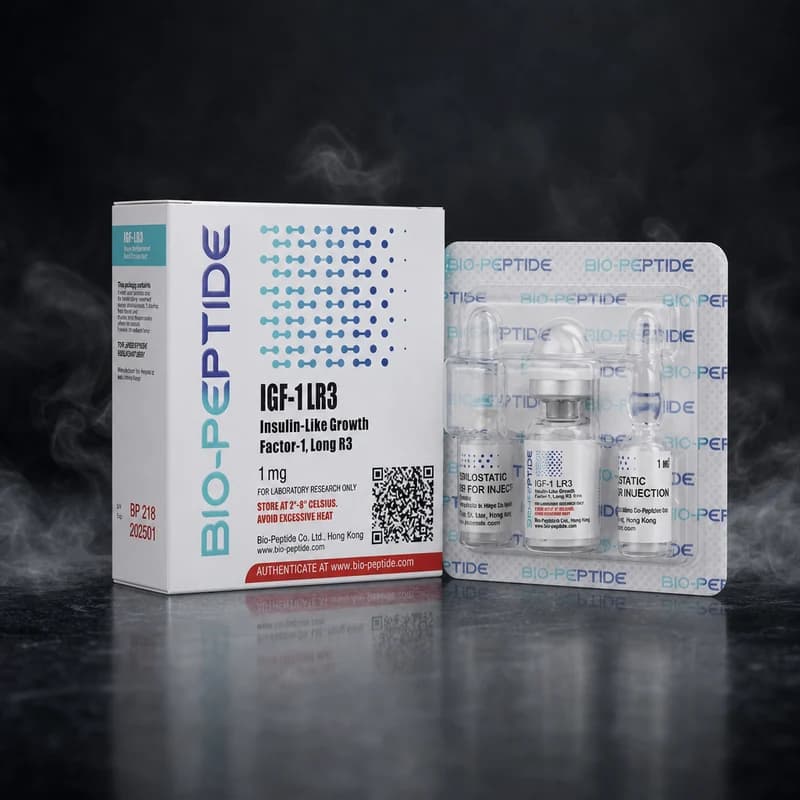
IGF-1 LR3 1mg/vial 1 Vial by Bio-PeptideLab Tested

IGF-1 LR3 1mg/vial 1 Vial by Bio-Peptide

€36.00
IGF-1 LR3 1mg/vial 1 Vial by Knoll PharmaceuticalsHPLC Verified

IGF-1 LR3 1mg/vial 1 Vial by Knoll Pharmaceuticals

€30.00
IGF-1 LR3Top Seller

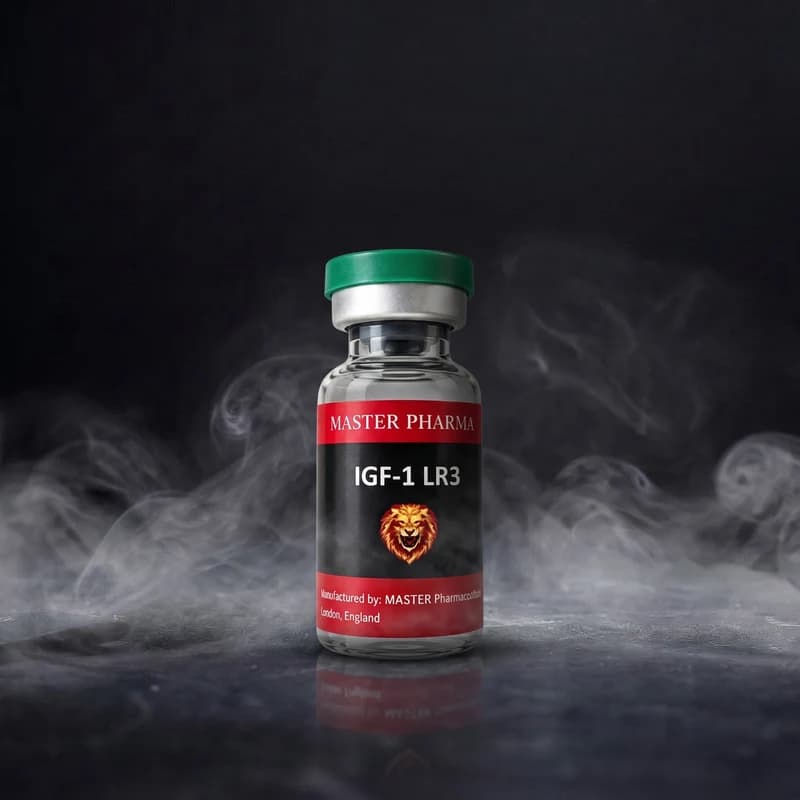
IGF-1 LR3 1mg/vial 1 Vial by Master Pharma

€35.00

Stack it with

Pairs well with these products.

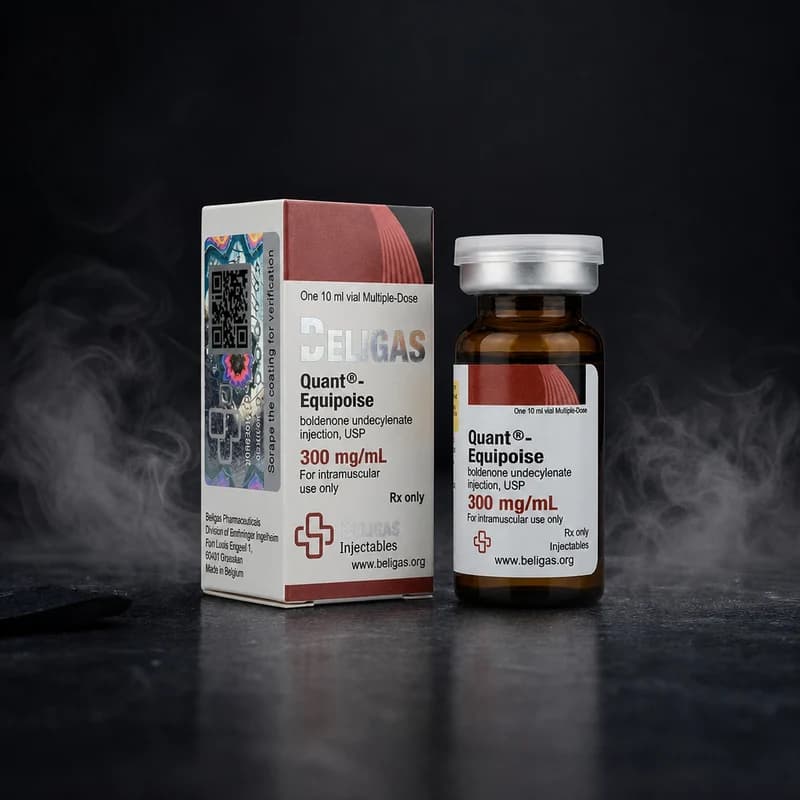
Quant-Equipoise 300mg/ml 10ml Vial by Beligas PharmaceuticalsHigh Concentration

Quant-Equipoise 300mg/ml 10ml Vial by Beligas Pharmaceuticals

€47.00
Bolden-250 250mg/ml 10x1ml Ampoules by BM PharmaceuticalsLong-Acting Formula

Bolden-250 250mg/ml 10x1ml Ampullen by BM Pharmaceuticals

€48.00
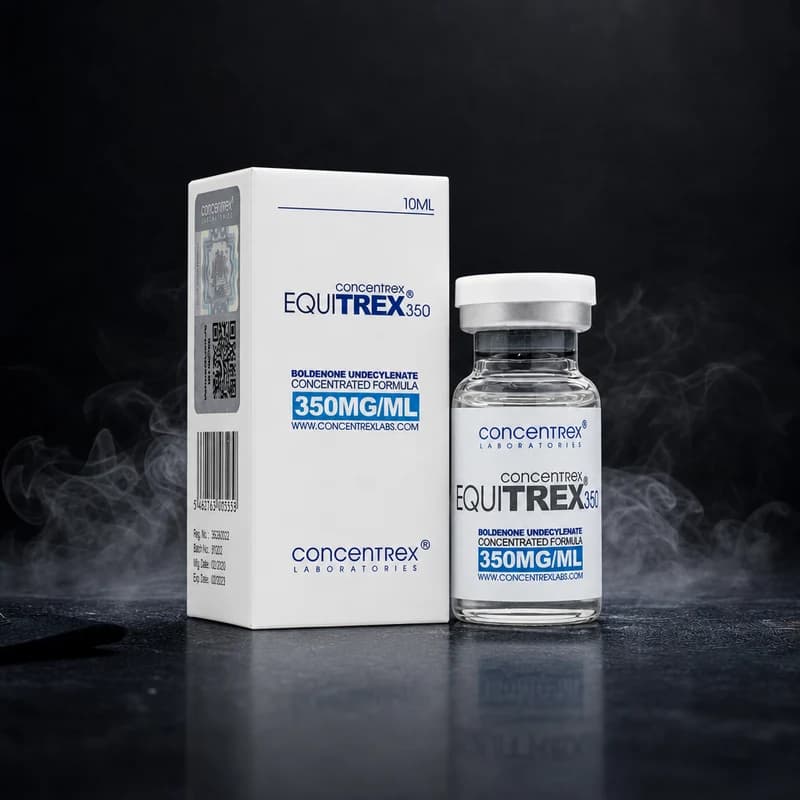
EquiTrex 350mg/ml 10ml Vial by Concentrex LabsBrand Quality

EquiTrex 350mg/ml 10ml Vial by Concentrex Labs

€52.00
EQ 300 300mg/ml 10ml Vial by Dragon-PharmaPro Choice

EQ 300 300mg/ml 10ml Vial by Dragon-Pharma

€44.00