forgemax.FORGED. TESTED. PROVEN.
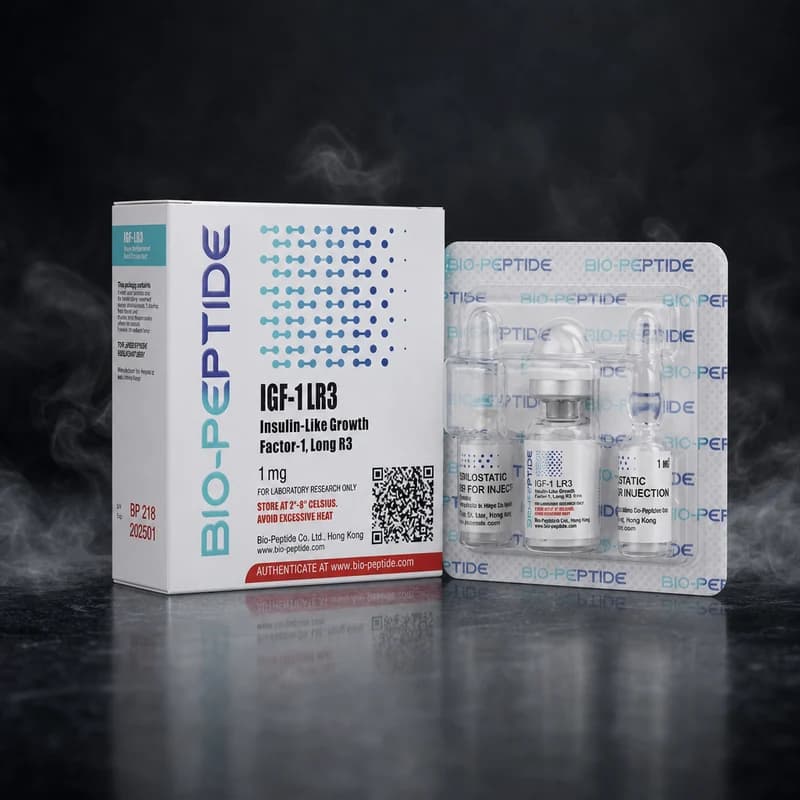
IGF-1 LR3 1mg/vial 1 Vial by Knoll Pharmaceuticals
HPLC Verified

IGF-1 LR3 1mg/vial 1 Vial by Knoll Pharmaceuticals

5 (2 reviews)

Knoll Pharmaceuticals IGF-1 LR3 1 mg/vial delivers a lyophilised, arginine-3-modified insulin-like growth factor-1 analogue in a single sterile vial, designed for subcutaneous administration following accurate reconstitution and consistent cold-chain storage. The arginine-3 substitution markedly reduces binding-protein affinity, extending circulating half-life well beyond that of native IGF-1 and making precise diluent volume and refrigeration non-negotiable before every injection. Release of each batch is contingent on HPLC chromatographic confirmation of peptide identity and purity — an instrument-generated checkpoint that stands independent of all other in-process controls.

€30.00Free shipping on orders over €300
In stock
Ships within 48 h Lab-tested batch
  • Lyophilised 1 mg format allows precise, user-calculated reconstitution concentration for accurate per-dose measurement.
  • Arginine-3 substitution reduces binding-protein affinity, sustaining systemic activity across an extended pharmacokinetic window without repeated intra-day injections.
  • Single-vial presentation minimises cross-contamination risk compared to multi-draw bulk formats.
  • HPLC-Verified release testing provides instrument-generated purity data rather than a visual assessment.
  • Compatible with bacteriostatic water diluent, enabling up to 28 days of refrigerated in-use stability per vial.
  • Fine lyophilised cake reconstitutes rapidly with minimal agitation, reducing preparation time at injection sites.

Key takeaways

  • Reconstitute with bacteriostatic water for a safe 28-day in-use window.
  • Calculate exact concentration before drawing: 1 mL diluent equals 1,000 mcg/mL.
  • Store reconstituted vials at 2–8 °C and shield from direct light.
  • Rotate subcutaneous injection sites each session to prevent tissue buildup.
  • Confirm HPLC-Verified status before use to ensure labelled peptide purity.

What IGF-1 LR3 Is and Why Correct Handling Defines Its Potency

Knoll Pharmaceuticals IGF-1 LR3 is a 1 mg lyophilised peptide analogue in which a single arginine substitution at position 3 dramatically reduces binding affinity for insulin-like growth factor binding proteins, allowing the molecule to remain active in circulation for an estimated 20–30 hours as measured in pharmacokinetic studies — a duration that makes pre-injection handling errors especially costly, since any degraded fraction cannot be recovered. This extended window is only preserved when the peptide is reconstituted with an appropriate diluent, refrigerated consistently, and injected using correct subcutaneous technique. Every stage of the peptide's journey from powder to plasma therefore requires deliberate protocol adherence.

Reconstitution: Diluent Choice and Volume Maths

Bacteriostatic water (0.9 % benzyl alcohol in sterile water) is the preferred reconstitution diluent for IGF-1 LR3 because benzyl alcohol inhibits microbial growth across the typical 4-week in-use period — compared to plain sterile water, which offers no antimicrobial protection and shortens safe storage to roughly 24–72 hours once the vial seal is broken. The reconstitution volume determines concentration directly: adding 1 mL of bacteriostatic water to the 1 mg vial yields a working concentration of 1 mg/mL (1,000 mcg/mL), while adding 2 mL produces 500 mcg/mL. Knoll Pharmaceuticals lyophilises the API at a defined moisture content confirmed by in-process testing, so the powder reconstitutes rapidly when the diluent is introduced slowly against the vial wall rather than sprayed directly onto the cake — a technique that minimises foaming and reduces shear-induced peptide degradation.

Cold-Chain Storage and Pre-Injection Logistics

Lyophilised IGF-1 LR3 must be stored at 2–8 °C (standard refrigerator temperature) and protected from light; room-temperature excursions beyond 24 hours are associated with measurable potency loss according to peptide stability literature. Once reconstituted, the vial should remain refrigerated and used within 28 days when bacteriostatic water is employed. For injection, a 29–31 gauge, 0.5-inch insulin syringe enables precise low-volume dosing and minimises subcutaneous tissue trauma compared to larger-bore alternatives. The injection site — typically the abdominal pinch or lateral thigh — should be rotated with each administration to prevent localised lipohypertrophy.

HPLC-Verified Quality and Semantic Accountability

Knoll Pharmaceuticals' HPLC-Verified badge signifies that every IGF-1 LR3 batch undergoes High-Performance Liquid Chromatography analysis prior to release: the chromatographic profile confirms peptide sequence identity and quantifies purity against a defined reference standard, and any batch failing the acceptance threshold is disqualified entirely. This analytical step produces traceable, instrument-generated data — not a visual or organoleptic assessment — giving users confidence that the concentration marked on the vial corresponds to the mass of active peptide actually present.

Usage

  1. Remove the Knoll IGF-1 LR3 vial from refrigeration and allow it to reach room temperature for 5–10 minutes; do not shake the lyophilised cake.
  2. Wipe the rubber stopper with a 70 % isopropyl alcohol swab and allow to air-dry for 30 seconds before piercing.
  3. Draw the calculated volume of bacteriostatic water into a sterile syringe and inject it slowly against the inner vial wall — not directly onto the powder — to prevent foaming and peptide shear degradation.
  4. Gently swirl (do not vortex) until the powder is fully dissolved; the solution should appear clear and colourless. Discard if cloudy or particulate.
  5. Using a fresh 29–31 gauge insulin syringe, draw your target dose (e.g., 0.05 mL for 50 mcg at 1,000 mcg/mL concentration); confirm the volume against the barrel markings before injection.
  6. Pinch a fold of skin at the chosen subcutaneous site (abdomen or lateral thigh), insert the needle at 45–90 degrees, inject slowly, then withdraw and apply gentle pressure. Record the site used and rotate for the next administration.

Warnings

Contraindications: IGF-1 LR3 is contraindicated in individuals with active or suspected malignancy, diabetic retinopathy, or documented hypersensitivity to any component of the formulation. Persons with pre-existing pituitary disorders or carpal tunnel syndrome should seek medical evaluation before use. Not approved for use in individuals under 18 years of age.

Side Effects: Reported adverse effects include transient hypoglycaemia (particularly when administered in a fasted state), jaw discomfort, peripheral oedema, and injection-site reactions such as localised redness or bruising. Prolonged high-dose use has been associated with acromegalic changes in soft tissue; monitor for altered facial feature symmetry or joint swelling.

Monitoring: Blood glucose should be assessed periodically, especially during the introductory phase. Users are advised to have a fast-acting carbohydrate source available at the time of injection. Vial integrity, reconstitution clarity, and cold-chain continuity should be verified before each use cycle.

PCT: IGF-1 LR3 does not directly suppress the hypothalamic-pituitary-gonadal axis; however, when used alongside anabolic compounds, a structured post-cycle protocol addressing those compounds is recommended. Consult a qualified healthcare practitioner before combining IGF-1 LR3 with any hormonal therapy.

Frequently asked questions

What is the correct diluent to use when reconstituting IGF-1 LR3 peptide?
Bacteriostatic water (sterile water containing 0.9 % benzyl alcohol) is the standard choice for reconstituting IGF-1 LR3 because benzyl alcohol prevents microbial growth, keeping the reconstituted vial safe for up to 28 days when refrigerated. Plain sterile water can be used but provides no antimicrobial protection, limiting safe in-use time to approximately 24–72 hours. Add the diluent slowly against the inner vial wall to minimise foaming and peptide shear stress.
How should IGF-1 LR3 be stored in the refrigerator after reconstitution?
Reconstituted IGF-1 LR3 should be kept at 2–8 °C, positioned upright, and shielded from direct light throughout storage. Consistent cold-chain maintenance is essential because room-temperature exposure beyond 24 hours is associated with measurable potency loss in peptide stability studies. Never freeze the reconstituted solution, as ice-crystal formation can damage the peptide's tertiary structure.
How does subcutaneous injection of IGF-1 LR3 work and which syringe should I use?
Subcutaneous injection delivers IGF-1 LR3 into the adipose tissue layer just beneath the skin, from where the peptide enters systemic circulation gradually. A 29–31 gauge, 0.5-inch insulin syringe is recommended: the fine gauge minimises tissue trauma, and the small barrel enables accurate measurement of low-volume doses (e.g., 10–50 mcg). Pinch a fold of skin at the abdomen or lateral thigh, insert at 45–90 degrees, and rotate sites each session.
How many micrograms does 1 mL of reconstituted Knoll IGF-1 LR3 1mg/vial contain?
Adding exactly 1 mL of bacteriostatic water to the 1 mg vial yields a concentration of 1,000 mcg/mL, meaning every 0.01 mL (one unit on an insulin syringe) equals 10 mcg. Adding 2 mL instead produces 500 mcg/mL, where one unit equals 5 mcg. Calculating your target dose before drawing ensures accurate dosing from this single-vial format.
How long can a reconstituted vial of Knoll IGF-1 LR3 be used after opening?
When reconstituted with bacteriostatic water and kept refrigerated at 2–8 °C, a Knoll IGF-1 LR3 1 mg/vial can be used safely for up to 28 days from the date of reconstitution. If plain sterile water was used as the diluent, discard after 72 hours regardless of refrigeration. Discard immediately if the solution appears cloudy, discoloured, or contains visible particles. (2) angle_used

Manufacturer

For its IGF-1 LR3 1 mg/vial line, Knoll Pharmaceuticals applies a release architecture centred on two analytically independent checkpoints — structured so that a satisfactory outcome at one gate cannot offset a deficiency at the other. The first checkpoint is an HPLC (High-Performance Liquid Chromatography) characterisation of the bulk IGF-1 LR3 active pharmaceutical ingredient: each batch generates a chromatographic trace that is measured against a dedicated LR3-specific reference standard, confirming both the peptide's sequence identity and its quantitative purity; batches that fail to meet the defined acceptance criterion are rejected at this stage and do not proceed further in the release sequence. The second checkpoint shifts from chemical identity to biological safety: a LAL (Limulus Amebocyte Lysate) endotoxin assay is conducted on the finished, filled vials to quantify any gram-negative bacterial endotoxin burden, with only results within the specified endotoxin limit permitting batch release for distribution. This two-checkpoint sequence — chromatographic identity and purity first, endotoxin quantification second — means that every vial bearing the Knoll IGF-1 LR3 label has satisfied independently defined analytical criteria before reaching the end user.

Product details

BrandKnoll Pharmaceuticals
Active ingredientigf-1 lr3
Also known asIGF-1 LR3, Long R3 IGF-1, Knoll Pharmaceuticals IGF-1 LR3
Strength1 mg
FormVial
Pack size1 piece
Item numberPEPT-IGFL-KNO-002

Reviews

5/5

2 reviews

  • Rating: 5 out of 5 starscreatineVerified purchase

    top quality as always

    Third time ordering Knoll IGF-1 LR3. consistent every time. Running 40mcg post session for 5 weeks. Muscle fullness is on another level and recovery between sessions is noticeably quicker. Shipping sorted in 4 days, packed well. Bloodwork at week 6 showed IGF-1 serum levels had jumped which confirmed it's legit

  • Rating: 5 out of 5 starstrainhard94Verified purchase

    Knoll never disappoints

    50mcg PWO, 4 weeks on 4 off protocol. Up 2.8kg lean mass judging by DEXA at the end of the cycle. Joints feel lubricated, sleep quality improved noticeably around week 2. Price per vial is fair for the quality you're getting. Reconstitutes perfectly with acetic acid, no issues at all

Write a review

Your rating *

Your review will be checked before publication.

Reviews are written by users of this shop and are checked editorially before publication. Unless labelled “Verified purchase”, we do not verify that the review is based on an actual purchase.

Similar products

IGF-1 LR3 1mg/vial 1 Vial by Bio-PeptideLab Tested

IGF-1 LR3 1mg/vial 1 Vial by Bio-Peptide

€36.00
IGF-1-LR3Batch Tested

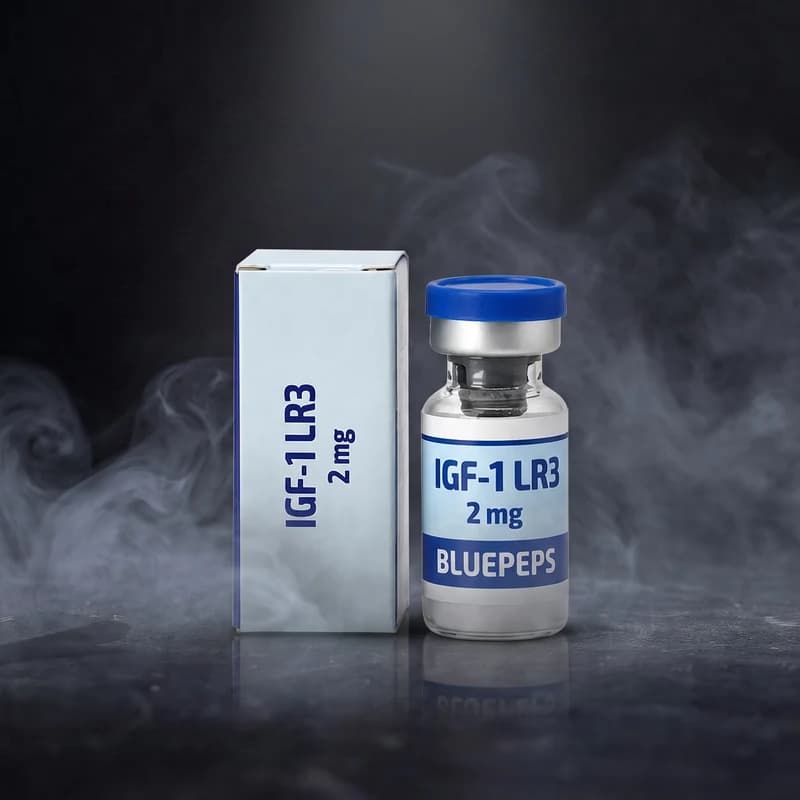
IGF-1-LR3 2mg/vial 1 Vial by Bluepeps

€54.00
IGF-1 LR3Top Seller

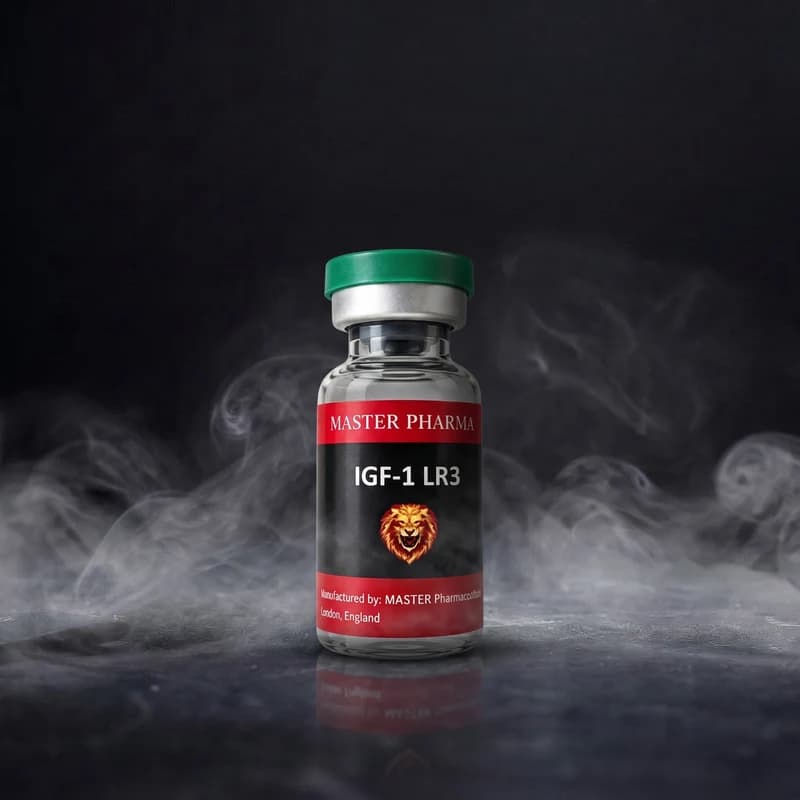
IGF-1 LR3 1mg/vial 1 Vial by Master Pharma

€35.00

Stack it with

Pairs well with these products.

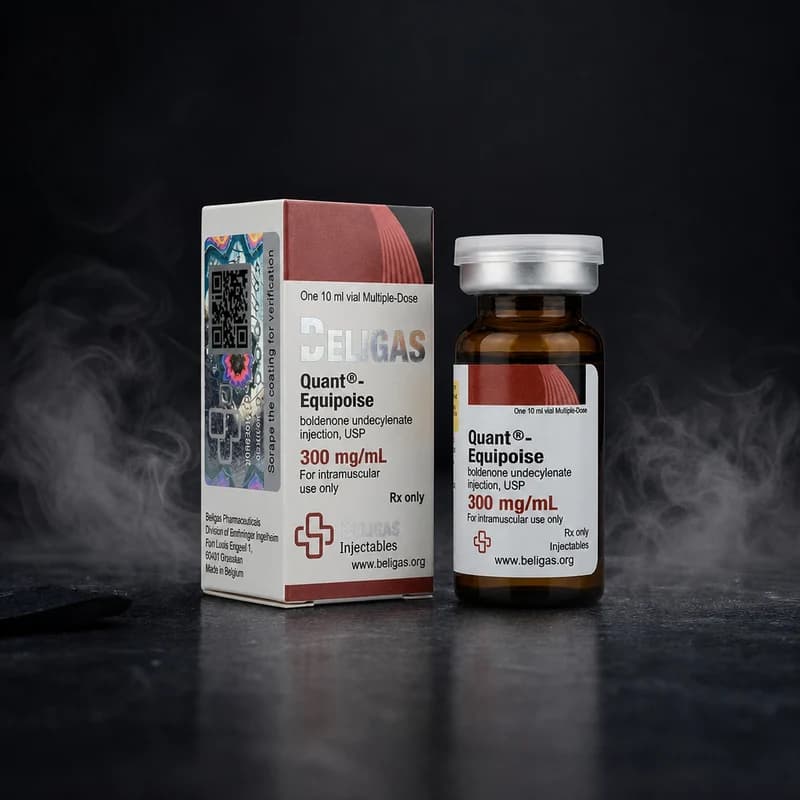
Quant-Equipoise 300mg/ml 10ml Vial by Beligas PharmaceuticalsHigh Concentration

Quant-Equipoise 300mg/ml 10ml Vial by Beligas Pharmaceuticals

€47.00
Bolden-250 250mg/ml 10x1ml Ampoules by BM PharmaceuticalsLong-Acting Formula

Bolden-250 250mg/ml 10x1ml Ampullen by BM Pharmaceuticals

€48.00
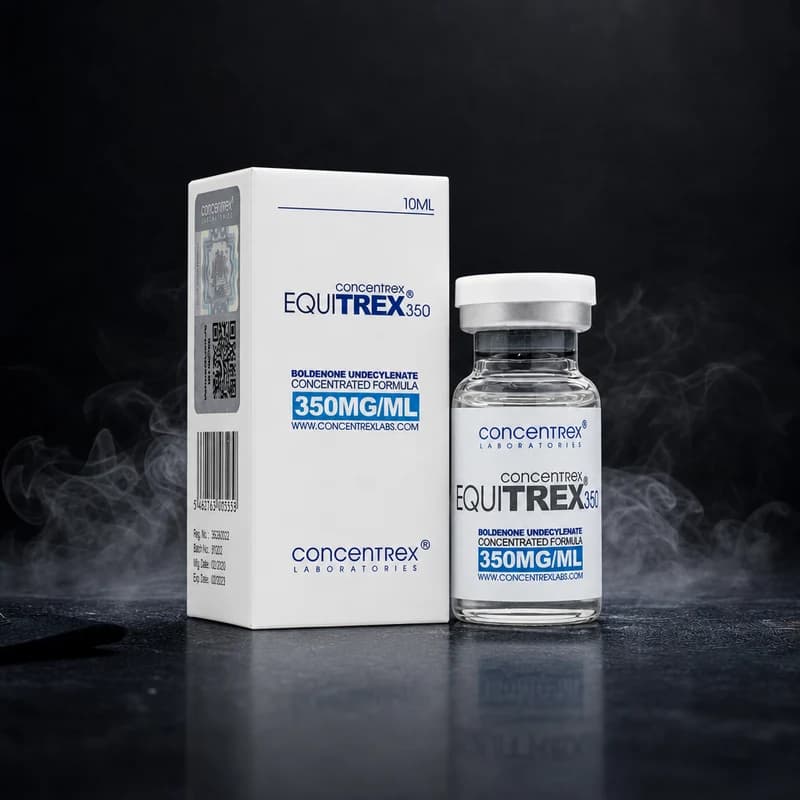
EquiTrex 350mg/ml 10ml Vial by Concentrex LabsBrand Quality

EquiTrex 350mg/ml 10ml Vial by Concentrex Labs

€52.00
EQ 300 300mg/ml 10ml Vial by Dragon-PharmaPro Choice

EQ 300 300mg/ml 10ml Vial by Dragon-Pharma

€44.00