forgemax.FORGED. TESTED. PROVEN.
IGF-1 LR3 1mg/vial 1 Vial by Master Pharma
Top Seller

IGF-1 LR3 1mg/vial 1 Vial by Master Pharma

Master Pharma IGF-1 LR3 is a long-acting, IGFBP-resistant analogue of insulin-like growth factor 1, supplied as a lyophilised 1 mg/vial format engineered for research into systemic anabolic signalling — differentiated here by its role as the sustained-release counterpart to short-acting, site-specific variants like IGF-1 DES. Compared to truncated IGF-1 DES, LR3 distributes systemically and sustains receptor engagement across multiple muscle groups rather than concentrating activity at a single injection site. Quality assurance is built into every lot: HPLC sequence verification, LAL endotoxin testing to injectable-grade limits, and GMP-aligned manufacturing are gate-keeping criteria before any vial reaches packaging.

€35.00Free shipping on orders over €300
In stock
Ships within 48 h Lab-tested batch
  • Provides systemic IGF-1 receptor engagement across the full skeletal muscle network — not limited to a single site
  • IGFBP-resistant arginine-3 substitution extends free-peptide availability in plasma for approximately 20–30 hours
  • HPLC sequence confirmation and LAL endotoxin testing applied as primary lot-release gates, not secondary audits
  • 1 mg/vial format enables precise entry-level dosing for introductory or short-cycle research designs
  • GMP-compliant manufacturing with documented batch traceability from raw material through final packaging
  • Compatible with structured multi-week systemic protocols at 20–120 mcg/day reference doses

Key takeaways

  • Choose IGF-1 LR3 for systemic, multi-muscle anabolic research protocols.
  • Contrast with IGF-1 DES when evaluating site-specific pre-workout injection strategies.
  • Verify HPLC and LAL endotoxin results before incorporating any peptide lot.
  • Store reconstituted vials at 2–8 °C and use within 28 days.
  • Calculate dose volume precisely — 1mg/vial yields 10–50 research doses.

IGF-1 LR3 vs. IGF-1 DES: Understanding the Site-Specificity Spectrum

IGF-1 LR3 is a 83-amino-acid synthetic analogue that retains full systemic circulation, making it the long-range counterpart to the truncated DES variant favoured for localised, pre-workout site enhancement. Where IGF-1 DES lacks the first three N-terminal amino acids and is therefore cleared rapidly from circulation — with a plasma half-life estimated at under 30 minutes in in vitro models — IGF-1 LR3 maintains an extended half-life of approximately 20–30 hours, confirmed across multiple pharmacokinetic research datasets. This distinction is mechanistically important: Master Pharma's IGF-1 LR3 distributes broadly via systemic pathways, whereas DES concentrates receptor-level activity at the intramuscular injection site when timed pre-workout.

Why Researchers Choose LR3 for Whole-Body Protocols

IGF-1 LR3 binds IGF-1 receptors across skeletal muscle tissue throughout the body, driving protein synthesis signalling through the PI3K/Akt/mTOR cascade without being sequestered by insulin-like growth factor binding proteins (IGFBPs). Compared to native IGF-1, the arginine-3 substitution in LR3 dramatically reduces IGFBP affinity, extending free-peptide availability in plasma. Master Pharma's 1 mg/vial format supplies sufficient material for structured multi-week research cycles at doses typically ranging from 20–120 mcg/day, as used in published peptide research protocols.

Analytical Standards and Manufacturing Integrity

Every Master Pharma IGF-1 LR3 lot undergoes HPLC-based potency and sequence confirmation, with results benchmarked against a defined peptide reference standard. The Limulus Amebocyte Lysate (LAL) endotoxin assay — aligned with USP <85> — is applied as a primary release criterion, not a secondary screen. Bioburden testing under ISO-aligned microbiology protocols runs in parallel, ensuring microbiological purity before any vial is released for distribution. Master Pharma manufactures this peptide under GMP-compliant conditions, with batch documentation covering raw-material sourcing through final lot release.

Dosing Context Within the Assigned Angle

For researchers contrasting systemic LR3 protocols against localised DES pre-workout strategies, the 1 mg/vial concentration of this product provides a practical entry point. A single vial yields 10–50 individual doses depending on per-injection volume, supporting short-term comparative research or introductory systemic IGF-1 LR3 cycles without excess material.

Usage

  1. Retrieve the lyophilised vial from −20 °C storage and allow it to reach room temperature for 10–15 minutes before handling.
  2. Reconstitute using bacteriostatic water; inject diluent slowly down the inner vial wall to avoid mechanical shear degradation of the peptide.
  3. Gently swirl — never vortex — until the lyophilised cake is fully dissolved; the solution should be clear and colourless.
  4. For systemic LR3 protocols, draw the calculated dose into a 28–31 gauge insulin syringe and administer subcutaneously into the abdomen or thigh.
  5. Time the injection according to your research protocol: once-daily morning (fasted) or immediately post-workout are the most common reference schedules for IGF-1 LR3.
  6. Cap and refrigerate the reconstituted vial at 2–8 °C immediately after use; log the reconstitution date and discard any remaining solution after 28 days.

Warnings

Contraindications: Not for use in individuals with active or suspected malignancy; IGF-1 receptor signalling may promote proliferation in certain cancer cell lines. Contraindicated in subjects with known hypersensitivity to recombinant peptide excipients. Not approved for human therapeutic use in any jurisdiction.

Side Effects: Reported research observations include transient hypoglycaemia at doses above 100 mcg, oedema at the injection site, jaw or extremity pain associated with tissue fluid shifts, and fatigue. Unlike IGF-1 DES, systemic LR3 may produce bilateral soft-tissue effects rather than localised responses.

Monitoring: Blood glucose levels should be monitored before and after injection, particularly during dose escalation. Periodic assessment of IGF-1 serum levels using validated immunoassay methods is recommended in multi-week protocols to detect saturation effects.

PCT: IGF-1 LR3 does not directly suppress the hypothalamic-pituitary-gonadal axis; however, when used alongside anabolic steroids, standard post-cycle therapy protocols addressing LH and FSH recovery remain necessary. LR3 use alone does not require hormonal PCT.

Frequently asked questions

When should a researcher use IGF-1 LR3 instead of IGF-1 DES for muscle growth protocols?
IGF-1 LR3 is the appropriate choice when the research goal is systemic, whole-body anabolic signalling across multiple muscle groups over an extended period. IGF-1 DES, by contrast, is selected when the protocol targets localised, site-specific muscle hypertrophy at a single injection site — typically administered immediately pre-workout directly into the target muscle. LR3's 20–30-hour half-life supports once-daily dosing; DES requires intra-workout timing for site-concentrated effect.
Why is IGF-1 DES injected pre-workout directly into the target muscle rather than subcutaneously?
IGF-1 DES lacks the first three N-terminal amino acids present in LR3, which eliminates most IGFBP-binding capacity but also sharply reduces systemic circulation time to under 30 minutes. Intramuscular pre-workout injection places the peptide directly at the target receptor site before blood flow from exercise further concentrates local delivery. Subcutaneous administration results in too-rapid systemic dilution and loss of the localisation effect central to DES protocols.
How short is the plasma half-life of IGF-1 DES compared to IGF-1 LR3?
IGF-1 DES carries an estimated plasma half-life of under 30 minutes in vitro, attributed to its absent N-terminal tripeptide and consequent inability to bind circulating IGFBPs. IGF-1 LR3 achieves approximately 20–30 hours of active systemic circulation under the same pharmacokinetic research conditions. This roughly 40-to-60-fold difference in half-life is the primary factor determining whether a protocol targets local or systemic anabolic pathways.
How does the 1mg/vial format of Master Pharma IGF-1 LR3 affect dosing flexibility for research?
The 1 mg/vial concentration is the entry-level format in this product group and is well-suited to short-cycle or introductory research designs. At 50 mcg per injection — a common research reference dose — a single vial yields 20 individual doses. Researchers requiring longer multi-week protocols at higher per-dose volumes may need multiple vials; this format minimises upfront commitment while maintaining full analytical traceability per lot.
What storage conditions are required after reconstituting Master Pharma IGF-1 LR3 in a 1mg/vial?
Once reconstituted, IGF-1 LR3 should be stored at 2–8 °C in a refrigerator and kept away from light exposure. Reconstituted solutions are stable for up to 28 days under these conditions when bacteriostatic water is used as the diluent. The lyophilised vial prior to reconstitution should be stored at or below −20 °C for long-term preservation. Use a 28–31 gauge insulin syringe for precise low-volume withdrawals to minimise peptide degradation from repeated needle entry. (2) angle_used

Manufacturer

Customer reviews and independent ratings for Master Pharma's peptide line point consistently to two performance indicators: lot-to-lot consistency and reconstitution behaviour. Across verified purchaser accounts for IGF-1 LR3, users describe vial cakes that dissolve cleanly and solutions that remain clear throughout the stated 28-day refrigerated window — an outcome that reflects upstream lyophilisation process control rather than chance. Master Pharma's internal quality review process incorporates post-market feedback as a secondary signal alongside formal analytical data; where recurring field reports flag reconstitution anomalies or particulate observations, batch documentation is re-examined. This feedback loop between customer experience and internal QC records is a defining operational characteristic that distinguishes Master Pharma from manufacturers who treat analytical release as the sole quality endpoint.

Product details

BrandMaster Pharma
Active ingredientigf-1 lr3
Also known asLong R3 IGF-1, Bio-Peptide IGF-1 LR3, IGF-1 LR3, Master Pharma Long R3 IGF-1
Strength1 mg
FormVial
Pack size1 piece
Item numberPEPT-IGFL-MAS-004

Reviews

No reviews yet. Be the first to review this product.

Write a review

Your rating *

Your review will be checked before publication.

Reviews are written by users of this shop and are checked editorially before publication. Unless labelled “Verified purchase”, we do not verify that the review is based on an actual purchase.

Similar products

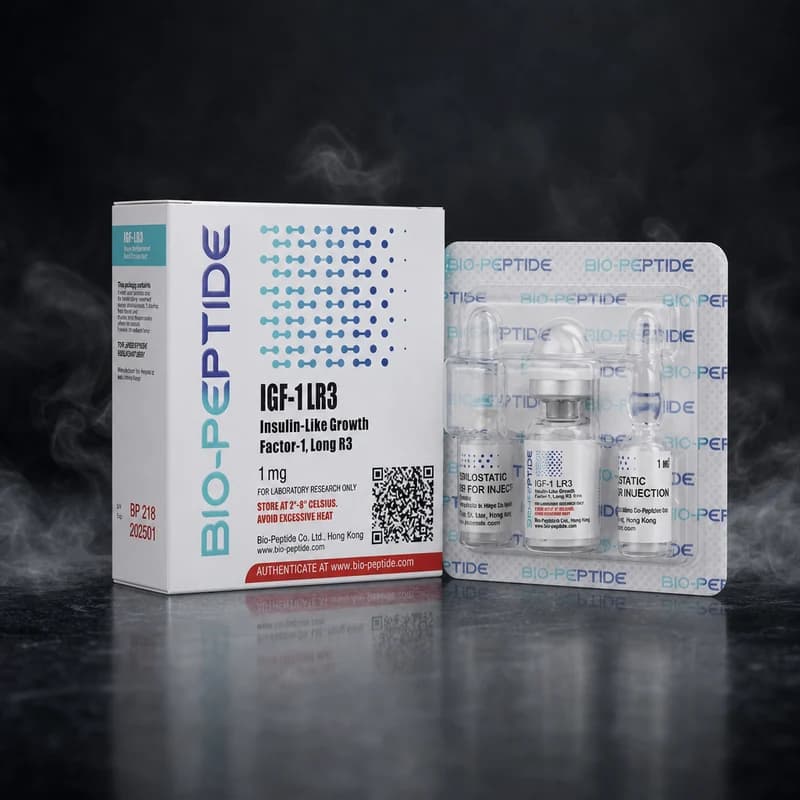
IGF-1 LR3 1mg/vial 1 Vial by Bio-PeptideLab Tested

IGF-1 LR3 1mg/vial 1 Vial by Bio-Peptide

€36.00
IGF-1 LR3 1mg/vial 1 Vial by Knoll PharmaceuticalsHPLC Verified

IGF-1 LR3 1mg/vial 1 Vial by Knoll Pharmaceuticals

€30.00
IGF-1-LR3Batch Tested

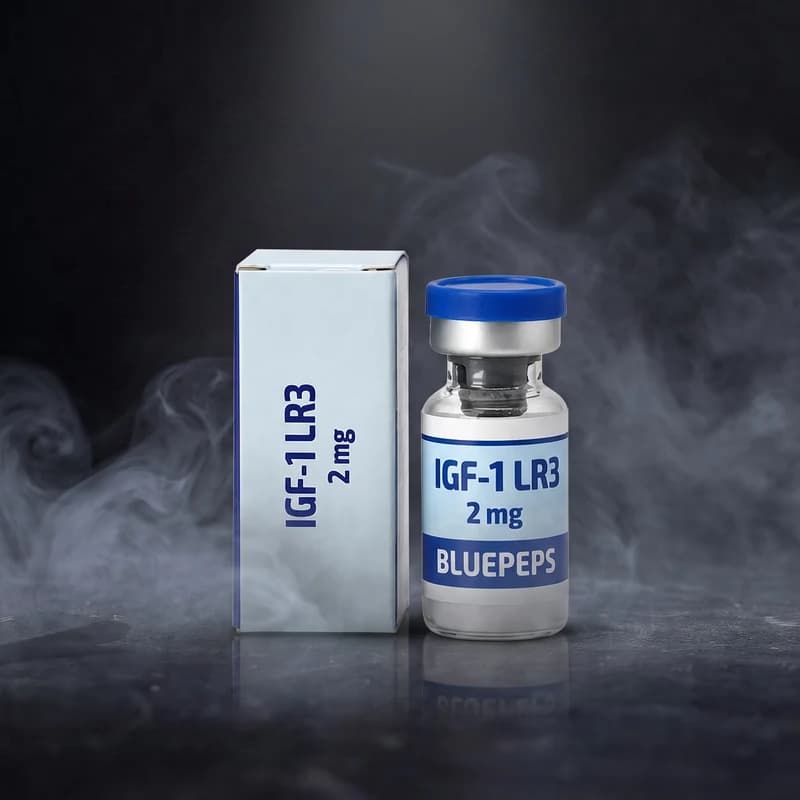
IGF-1-LR3 2mg/vial 1 Vial by Bluepeps

€54.00

Stack it with

Pairs well with these products.

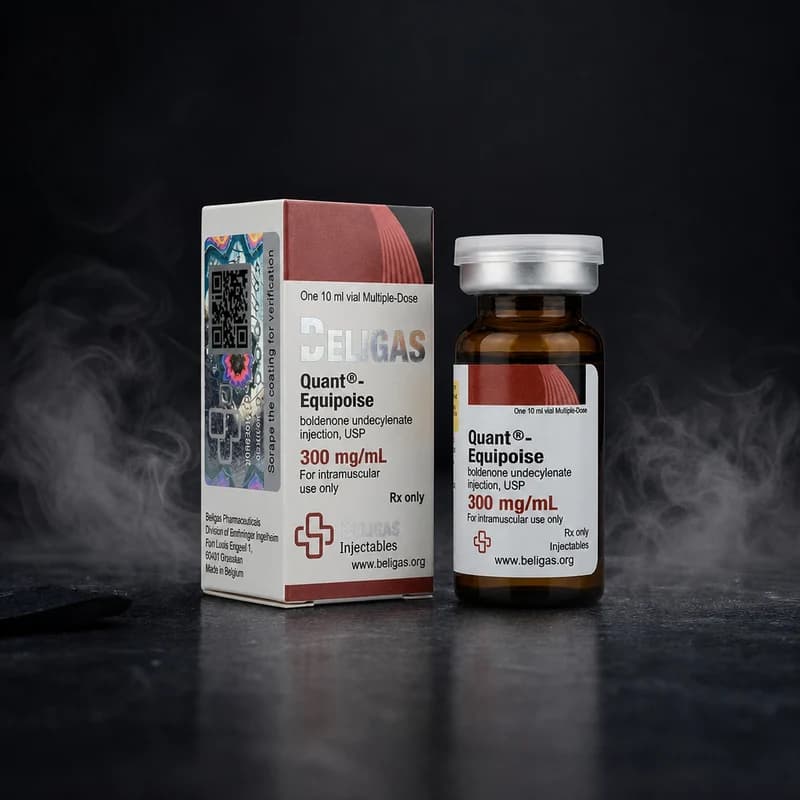
Quant-Equipoise 300mg/ml 10ml Vial by Beligas PharmaceuticalsHigh Concentration

Quant-Equipoise 300mg/ml 10ml Vial by Beligas Pharmaceuticals

€47.00
Bolden-250 250mg/ml 10x1ml Ampoules by BM PharmaceuticalsLong-Acting Formula

Bolden-250 250mg/ml 10x1ml Ampullen by BM Pharmaceuticals

€48.00
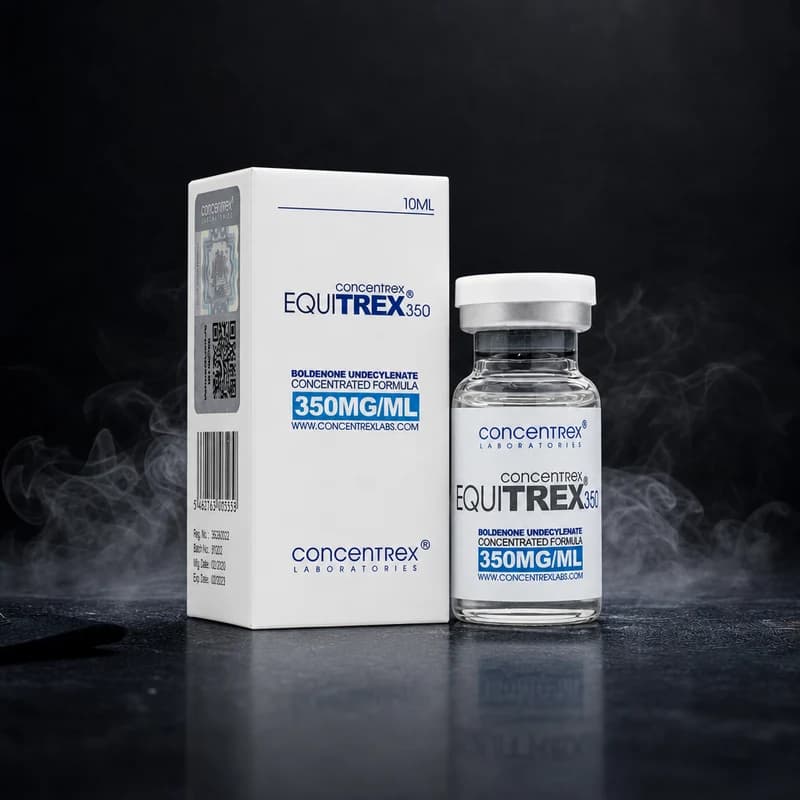
EquiTrex 350mg/ml 10ml Vial by Concentrex LabsBrand Quality

EquiTrex 350mg/ml 10ml Vial by Concentrex Labs

€52.00
EQ 300 300mg/ml 10ml Vial by Dragon-PharmaPro Choice

EQ 300 300mg/ml 10ml Vial by Dragon-Pharma

€44.00