IGF-1 LR3 as a Driver of Muscle Hyperplasia
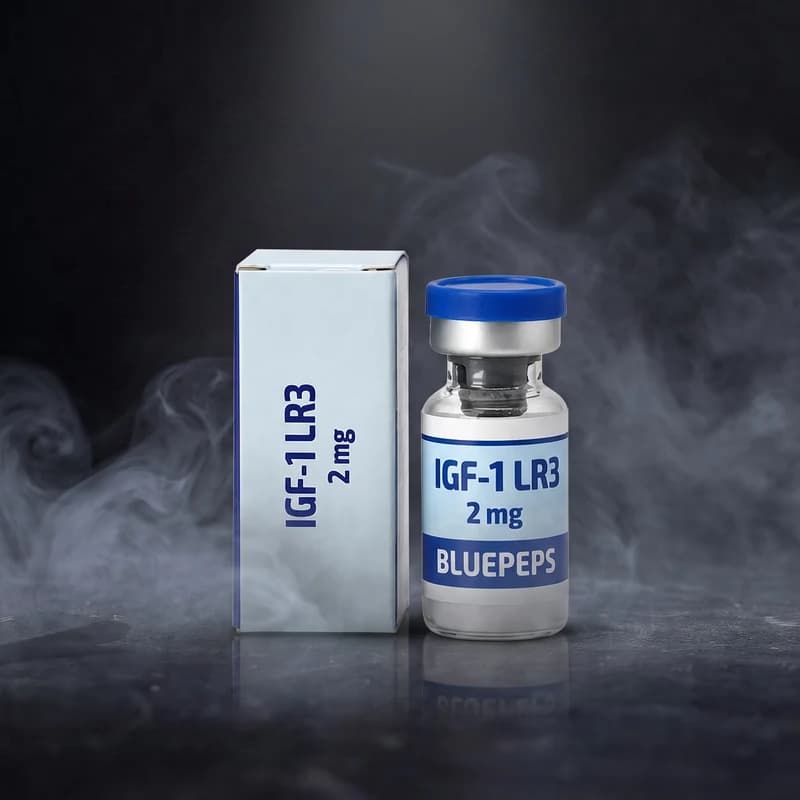
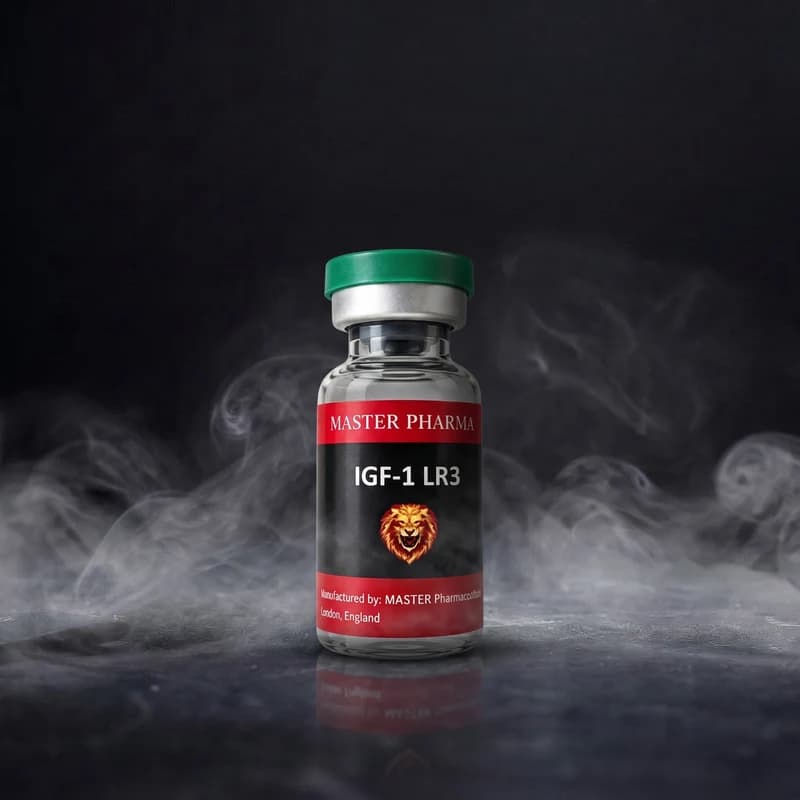
IGF-1 LR3 is a synthetic 83-amino-acid growth factor analogue whose arginine-3 substitution and 13-residue N-terminal extension prevent binding to IGF binding proteins (IGFBPs), enabling systemic receptor activation that promotes true muscle cell hyperplasia—the formation of new myofibers—rather than the simple volumisation associated with glycogen or water loading. This mechanism distinguishes LR3 from unmodified IGF-1, which is sequestered by circulating IGFBPs within minutes of secretion, limiting its anabolic reach. Hyperplasia represents a structural expansion of muscle architecture that is, by definition, permanent once established, making LR3-driven adaptation qualitatively different from hypertrophy alone.
Research on IGF-1 receptor signalling confirms that LR3 activates the PI3K/Akt/mTOR pathway in satellite cells, stimulating their proliferation and differentiation into mature myofibers (measured via Akt phosphorylation assays in cell-culture studies). Compared to short-acting native IGF-1 with a plasma half-life of fewer than 20 minutes, IGF-1 LR3 sustains receptor occupancy for 20–30 hours, as documented in pharmacokinetic analyses using radiolabelled peptide tracers. Bio-Peptide verifies the amino-acid sequence and purity of each batch by independent HPLC, with the resulting certificate of analysis tied to a unique batch identifier.
Nutrient Partitioning: Directing Calories to Lean Tissue
IGF-1 LR3 functions as a potent nutrient-partitioning agent by upregulating GLUT-4 transporter expression in skeletal muscle, increasing insulin-independent glucose uptake into myocytes and effectively redirecting caloric substrate away from adipose storage. Studies measuring GLUT-4 protein density in rodent skeletal muscle report increases of up to 40 % following sustained IGF-1 receptor stimulation. This substrate redirection means that IGF-1 LR3 can support lean-mass accrual even during moderate caloric surplus, because a greater proportion of ingested carbohydrate enters muscle rather than fat cells.
The partitioning effect is amplified post-workout, when muscle membranes show the highest GLUT-4 translocation in response to IGF-1 receptor signalling. For this reason, immediate post-training injection timing is the protocol most consistent with the literature on IGF-1-mediated glucose disposal in exercised muscle. Researchers also note that the nutrient-partitioning effect complements exogenous insulin protocols, though the two agents must be managed independently to avoid compounded hypoglycaemic risk.
Quality Assurance and Batch Transparency
Every vial of Bio-Peptide IGF-1 LR3 undergoes HPLC sequence confirmation and LAL (Limulus Amebocyte Lysate) endotoxin testing performed by an independent third-party laboratory; both certificates are batch-specific and available for verification. The 1 mg lyophilised format maintains peptide integrity under refrigerated storage (2–8 °C) until reconstitution, after which bacteriostatic water extends usable life to approximately 30 days when kept refrigerated and shielded from light.
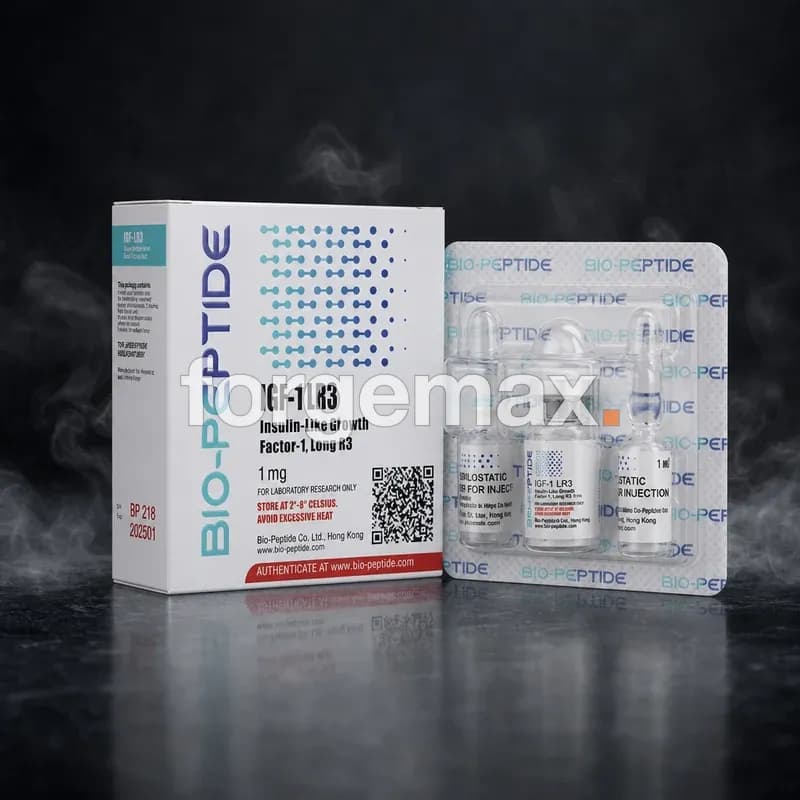
 HPLC Verified