HGH Fragment 176-191 as a Lipolysis Tool: Mechanism Within a Fat-Loss Protocol
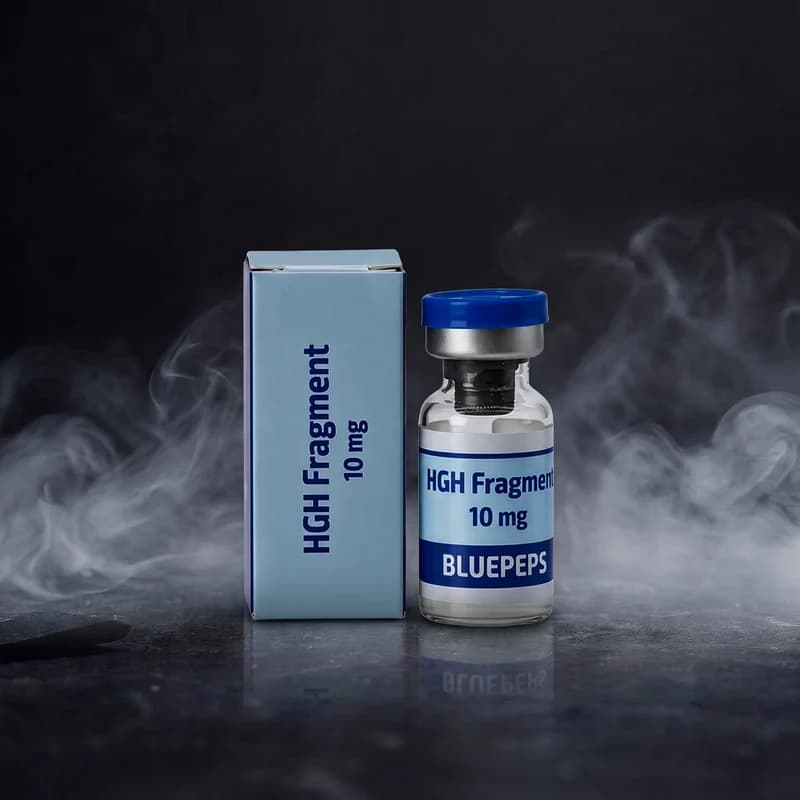
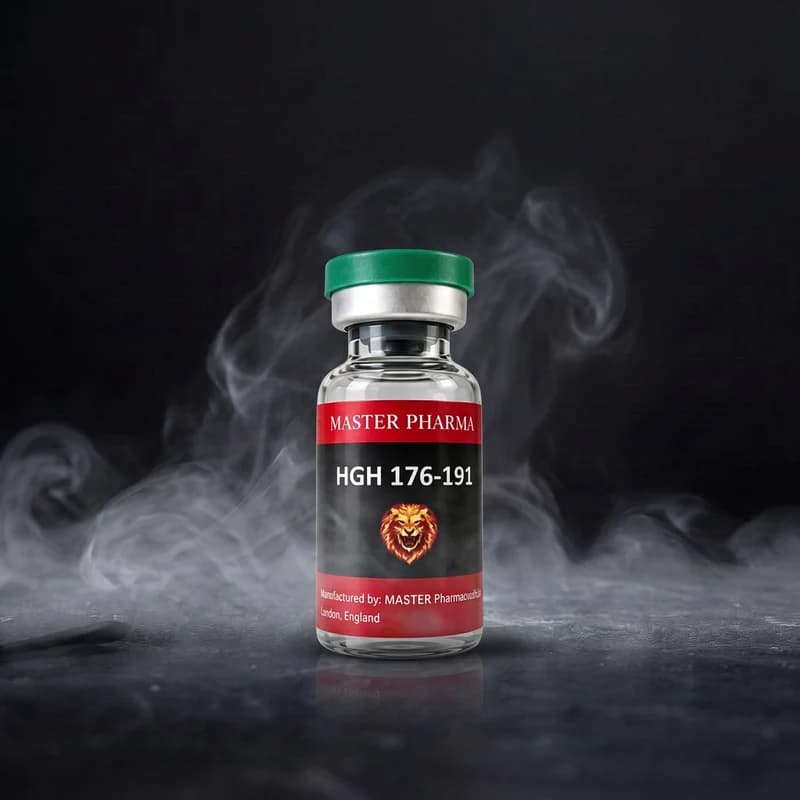
HGH Fragment 176-191 is the C-terminal peptide sequence of human growth hormone responsible for the molecule's direct lipolytic activity, and Knoll Pharmaceuticals presents it here as a 5 mg lyophilised vial designed for structured, protocol-driven fat-mobilisation programmes. The fragment binds selectively to adipocyte receptors that govern fatty acid release, an action documented in receptor-binding studies independent of the IGF-1 axis. Compared to full-length recombinant HGH, the fragment produces equivalent or superior fat-cell signalling at a fraction of the molecular weight and without measurable impact on fasting glucose — a clinically relevant distinction for athletes managing body composition during a caloric cut.
Lipolysis Protocol Principles: Timing, Dose, and Diet Interaction
Effective use of HGH Fragment 176-191 depends on three protocol variables: injection timing, daily dosage, and macronutrient context. Research-informed practice places subcutaneous injections in fasted windows — pre-dawn or pre-training — to maximise the lipolytic signal when circulating insulin is at its nadir. Standard protocols employ 250–500 mcg per injection, one to two times daily, with an administration period of eight to twelve weeks to accumulate measurable changes in adipose mass. The fragment's short plasma half-life of approximately 30 minutes (established in pharmacokinetic peptide studies) means timing precision meaningfully affects outcome, unlike longer-acting agents.
Nutritional Synergy: Combining the Fragment With a Structured Diet
HGH Fragment 176-191 amplifies the mobilisation of stored fatty acids; dietary strategy determines whether those mobilised lipids are oxidised or re-esterified. Practitioners pair the fragment with moderate-protein, controlled-carbohydrate diets to sustain an oxidative environment — specifically, keeping post-injection carbohydrate intake low for 30–60 minutes allows the lipolytic signal to proceed without insulin suppression. Knoll Pharmaceuticals' HPLC-verified vials ensure that the peptide concentration stated — 5 mg — reflects the actual reconstituted dose, a requirement for accurate protocol calculations. Each vial also clears a mandatory LAL endotoxin assay, confirming subcutaneous injection safety at the batch level.
Quality Assurance: HPLC and LAL Verification
Knoll Pharmaceuticals applies a two-checkpoint analytical release sequence to every HGH Fragment 176-191 5 mg/vial batch. Checkpoint one — HPLC purity and identity determination — confirms the fragment's sequence integrity and quantifies purity against a defined specification; checkpoint two — LAL endotoxin testing — verifies that biological contamination remains below injectable-grade thresholds. Only batches satisfying both gates independently are released, providing practitioners with a traceable quality baseline on which to build reproducible lipolysis protocols.

 Lab Tested