A Precision Lipolytic Agent Derived from the HGH Sequence
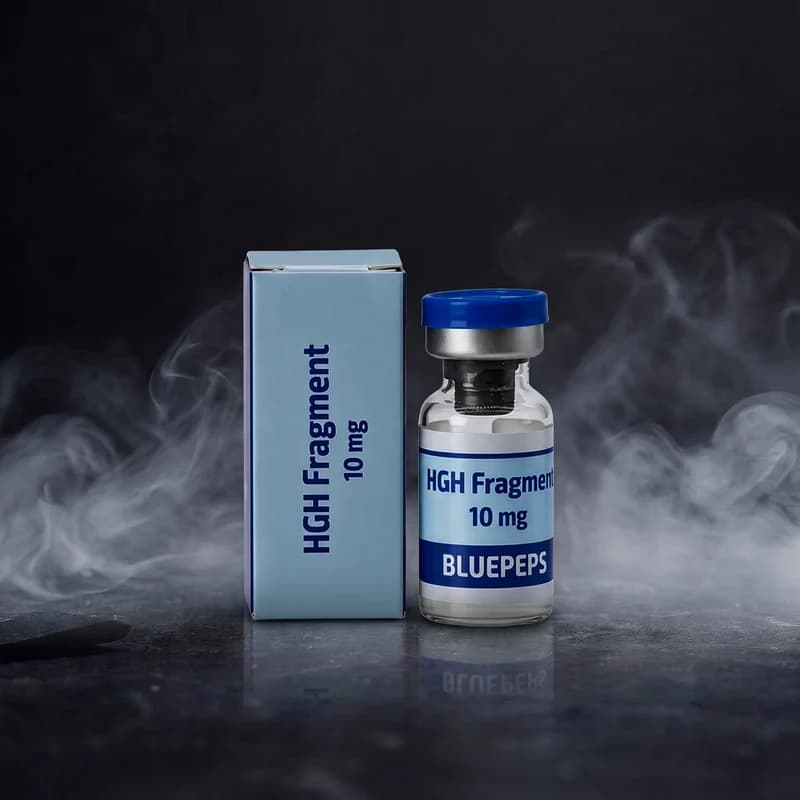
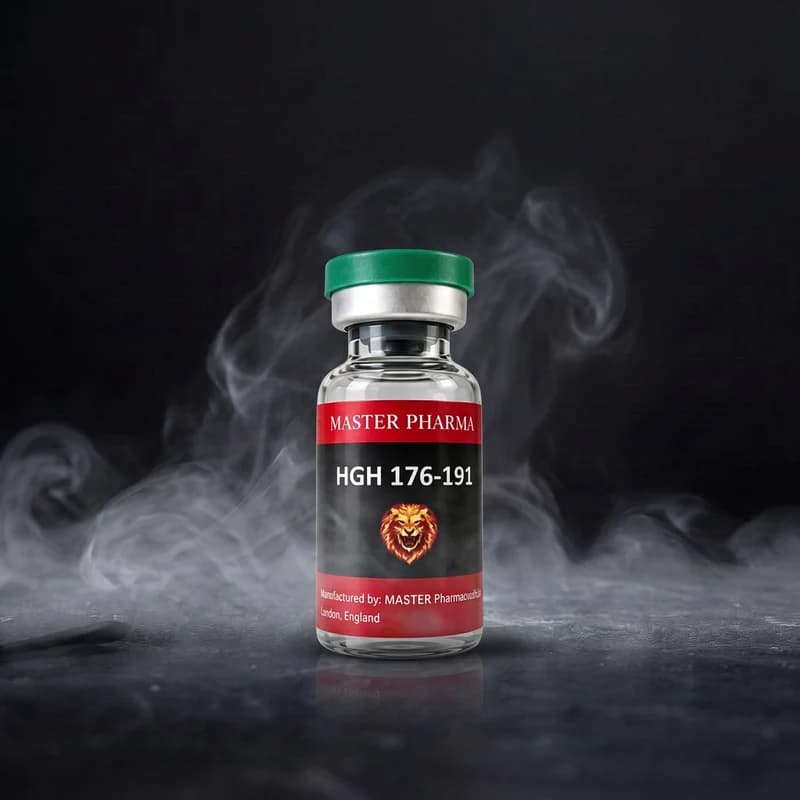
HGH Fragment (176-191) is defined as the synthetically produced peptide corresponding to residues 176 through 191 of the native human growth hormone chain — a segment that carries the full fat-mobilising capacity of HGH while being structurally incapable of binding the primary GH receptor responsible for growth and IGF-1 stimulation. Research published in peer-reviewed endocrinology literature confirms that this terminal sequence regulates lipolysis independently of the hypothalamic-pituitary-IGF axis. Compared to full-length HGH, Fragment 176-191 produces equivalent or superior adipocyte mobilisation with none of the insulin-desensitising side effects associated with supraphysiological GH levels.
How the Fragment Drives Fat Loss Without Growth Effects
Fragment 176-191 activates beta-3 adrenergic receptors on adipocytes, stimulating cyclic AMP-mediated lipolysis — the same enzymatic cascade triggered by catecholamines during fasting. The peptide inhibits lipogenesis in fat cells, meaning it simultaneously reduces new fat storage while accelerating release of stored fatty acids into circulation for oxidation. Crucially, the fragment does not interact with the GH receptor's binding site responsible for IGF-1 upregulation, which is why serum IGF-1 concentrations remain unchanged during administration — a key distinction documented in rodent and in-vitro assay data. This selective receptor profile makes the compound uniquely suited to fat-loss phases where preserving insulin sensitivity is a priority.
Dosing Context and Timing
Research protocols typically administer Fragment 176-191 at 250–500 mcg per injection, subcutaneously, in a fasted state — most commonly upon waking or 30 minutes before training — to exploit the elevated lipolytic milieu created by low circulating insulin. Cycle durations observed in research contexts range from 8 to 12 weeks. Because the fragment carries no androgenic, oestrogenic, or growth-promoting properties, post-cycle endocrine recovery is not a concern in the same framework as anabolic steroids.
Quality Verification
Bio-Peptide's HGH Fragment (176-191) undergoes third-party HPLC sequence and purity analysis alongside LAL (Limulus Amebocyte Lysate) endotoxin testing on every production batch; certificates are batch-specific and traceable. Lyophilisation preserves peptide integrity during storage, with each vial sealed under inert atmosphere to prevent oxidative degradation.

 HPLC Verified