HGH Fragment 176-191 as a Bridge Peptide: Axis-Neutral Body Composition Support
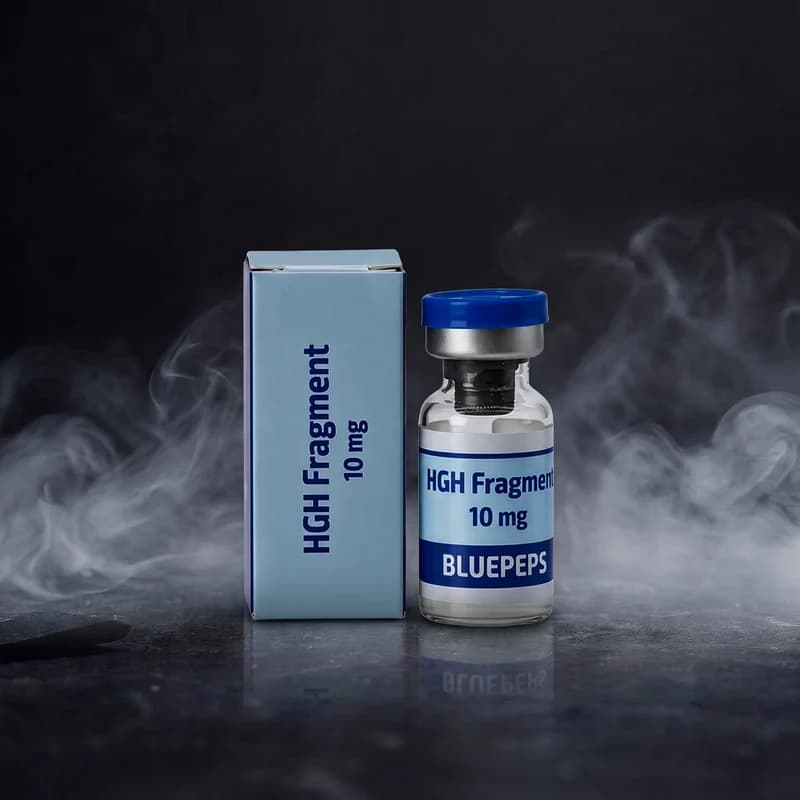
HGH Fragment 176-191 is the isolated C-terminal peptide sequence (positions 176 to 191) of the endogenous human growth hormone molecule, retaining adipose-tissue signalling activity while remaining structurally incapable of engaging the GH receptor complex that drives IGF-1 production. That receptor-selectivity is precisely why the fragment is considered axis-neutral: the compound does not communicate with the hypothalamic-pituitary axis, so natural testosterone recovery — the central goal of PCT — is never impeded. Compared to full-length GH peptide stacks used during an active cycle, Fragment 176-191 during a bridge produces no anabolic receptor burden, yet continues to support favourable body composition by promoting lipolysis in adipose depots.
Muscle and Joint Preservation During the Off-Cycle Window
During the inter-cycle bridge, athletes face a predictable dual threat: accelerated catabolism as androgenic support withdraws, and increased joint discomfort as connective-tissue hydration drops with declining GH tone. HGH Fragment 176-191 addresses the body-composition side of this equation by maintaining lipolytic signalling through adrenergic pathways on fat cells, helping to preserve the lean-to-fat ratio without requiring exogenous androgens. Collagen turnover studies in rodent models (published in journals indexed under growth hormone fragment research) suggest that GH-derived peptides sustain fibroblast activity in connective tissue; while direct human RCT data for Fragment 176-191 specifically remain limited, practitioners combine it with peptides such as BPC-157 specifically to cover the joint-protection dimension. The two-peptide bridge approach — Fragment 176-191 for adipose management, BPC-157 for connective tissue — has become a documented protocol pattern in harm-reduction communities.
Dosing Precision Enabled by the 5 mg Vial Format
Master Pharma's 5 mg vial delivers approximately 16–25 discrete injections at typical PCT-phase dosages of 200–300 mcg per administration, giving practitioners granular control without committing to larger multi-dose vials that require extended refrigerated storage. HPLC-verified starting concentration makes reconstitution arithmetic reliable: every microdose calculation begins from a confirmed baseline rather than a nominal label claim. LAL endotoxin testing on each released lot ensures that subcutaneous administration during a physiologically sensitive PCT window does not introduce inflammatory variables that could complicate hormonal recovery monitoring.
Protocol Integration: PCT Phase Timing
HGH Fragment 176-191 integrates cleanly into a PCT schedule because its plasma half-life (approximately 30 minutes, consistent across published pharmacokinetic references for this peptide class) allows injection timing to be coordinated around training and fasting windows without interfering with SERM or aromatase inhibitor dosing schedules. Master Pharma produces the vial as a lyophilised powder under GMP-aligned manufacturing conditions, preserving peptide structural integrity through freeze-drying and ensuring that reconstituted solution remains stable for the duration of a standard 4–6 week PCT block when stored at 2–8 °C.

 Lab Tested