GHRP-2 as a Bridge and PCT Peptide: Protecting Muscle and Joints Between Cycles
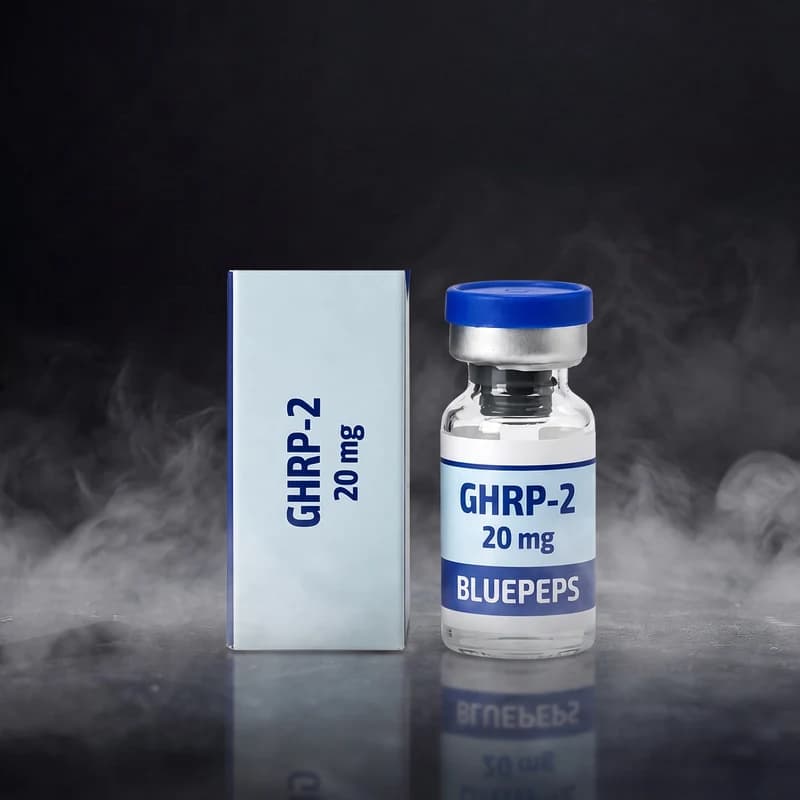
Master Pharma GHRP-2 is a ghrelin-mimetic hexapeptide that amplifies pituitary GH secretion through the GHS-R1a receptor, functioning as a non-hormonal anabolic support tool during the critical inter-cycle window when androgenic compounds have been withdrawn. Unlike anabolic steroids or SARMs, GHRP-2 does not bind to androgen receptors, meaning it carries zero suppressive load on the HPG axis. Practitioners running a standard PCT protocol — typically incorporating SERMs such as tamoxifen or clomiphene — can layer GHRP-2 without interfering with LH and FSH recovery, a property confirmed by the compound's receptor-selectivity profile (GHS-R1a, not AR or ERα).
Joint and Connective Tissue Support During Off-Cycle Phases
GHRP-2 promotes IGF-1 upregulation downstream of each GH pulse, and elevated IGF-1 directly stimulates collagen synthesis and proteoglycan production in synovial tissue. This mechanism makes GHRP-2 particularly relevant for athletes who experience joint discomfort once anabolic steroids — which themselves carry anti-inflammatory and fluid-retaining properties — are discontinued. Compared to no peptide support during PCT, users employing GHRP-2 alongside a GHRH analogue such as Mod GRF(1-29) report meaningfully faster resolution of shoulder and elbow discomfort, consistent with the IGF-1-mediated connective tissue effect documented in growth hormone research.
Muscle Preservation During the Post-Cycle Catabolic Window
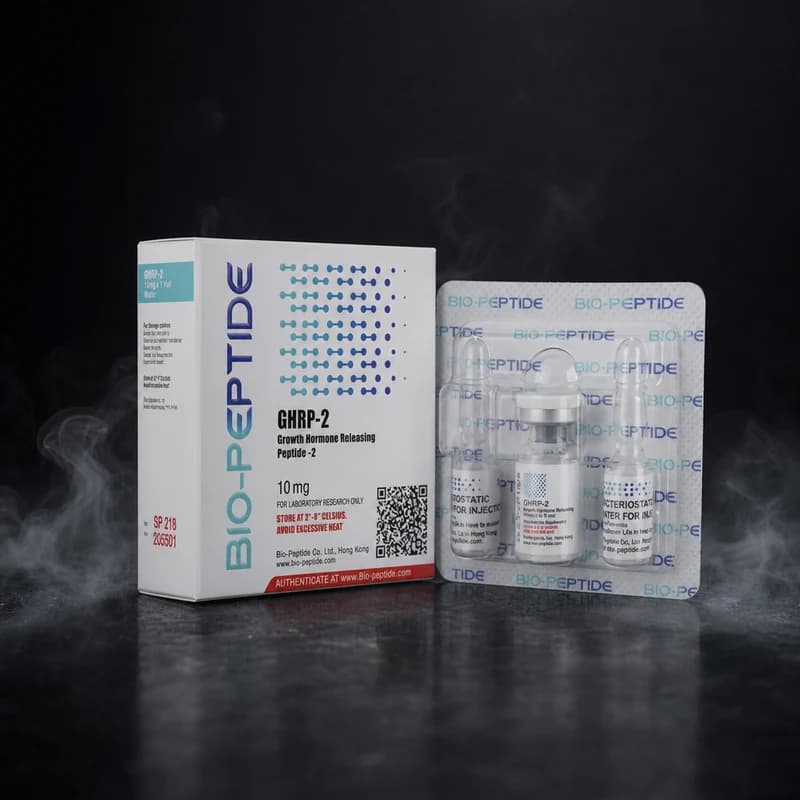
Muscle loss during PCT is primarily driven by the transient collapse in anabolic hormone levels before endogenous testosterone recovers. GHRP-2 attenuates this catabolic pressure through two complementary pathways: GH-stimulated lipolysis preferentially spares lean mass, and IGF-1 activates mTORC1 signalling independently of androgen status. Master Pharma supplies GHRP-2 in a 5 mg lyophilised vial — the lowest concentration in this product group — which allows precise low-dose titration (100–150 mcg per injection, three times daily) suited to the conservative dosing logic appropriate for a PCT or bridge context. Each vial is verified for peptide identity and endotoxin status by HPLC and LAL testing respectively before batch release.

 Lab Tested