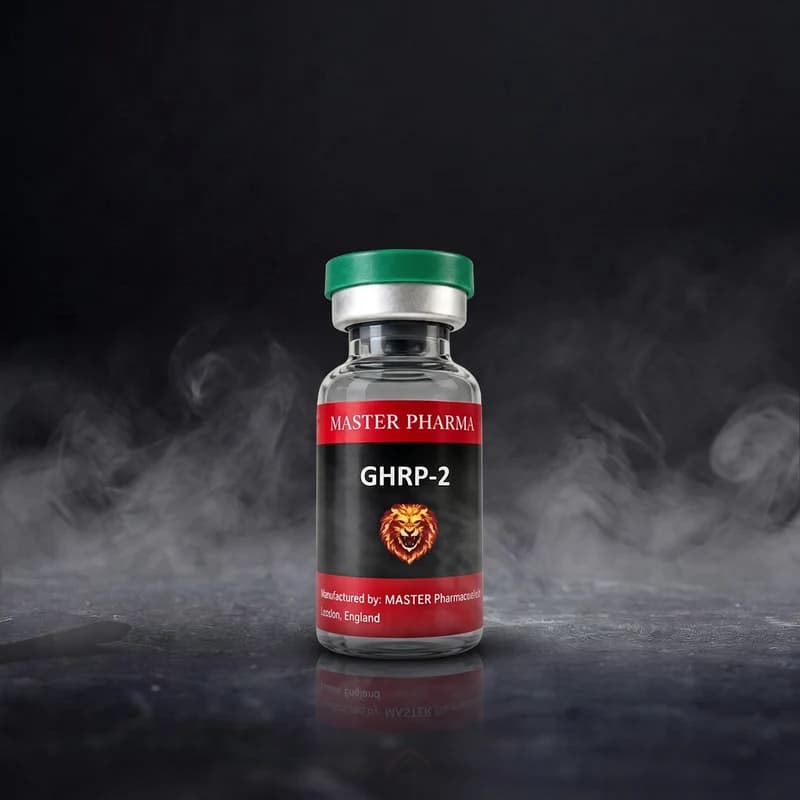
What Is Bluepeps GHRP-2 and Why Handling Protocol Matters
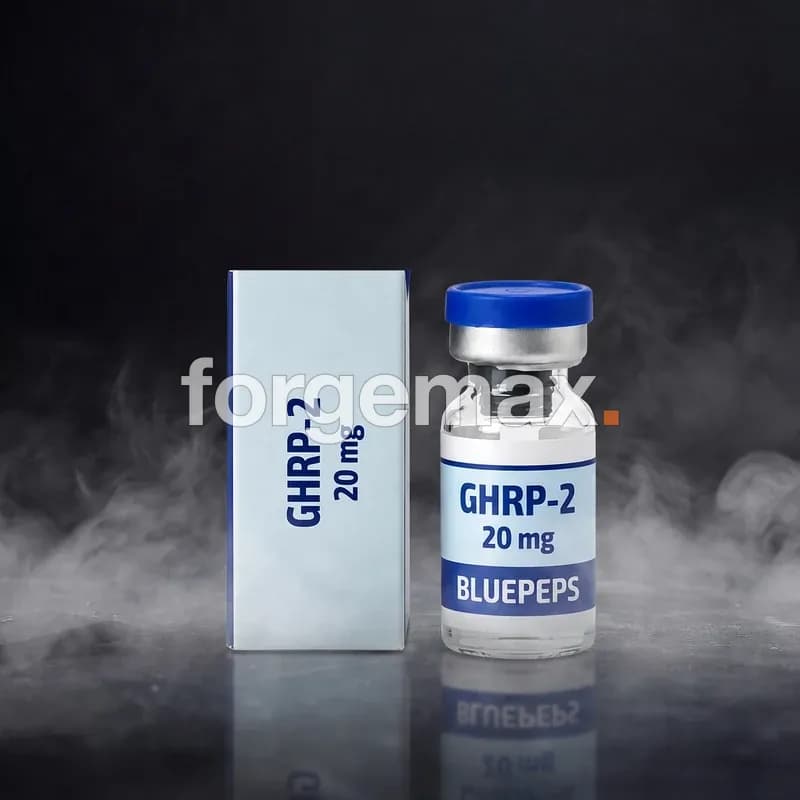
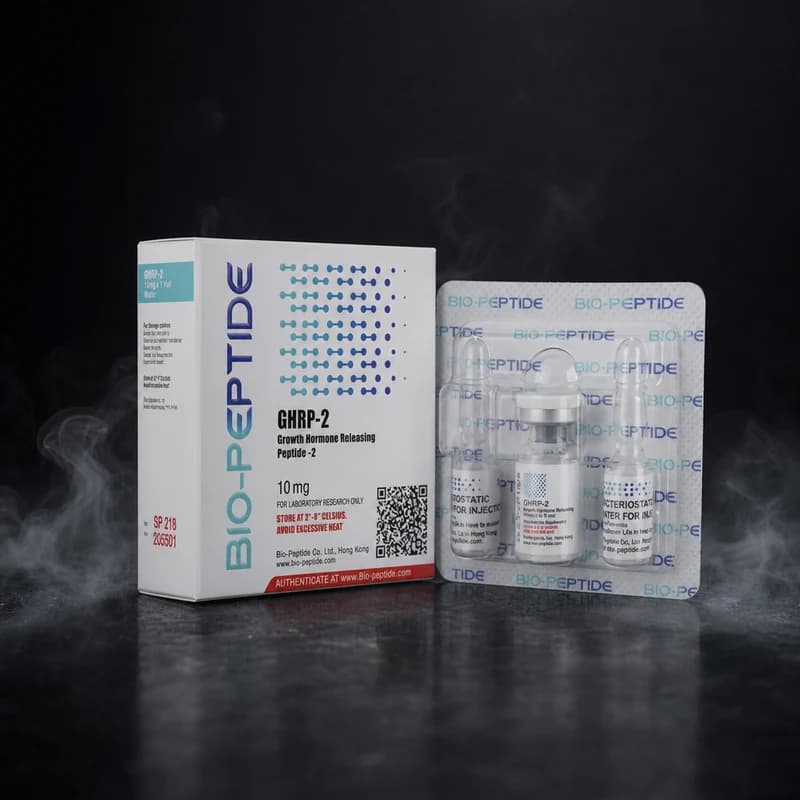
Bluepeps GHRP-2 is a synthetic hexapeptide that binds the ghrelin receptor (GHS-R1a) to trigger pulsatile growth-hormone secretion, supplied as a lyophilised powder at 20 mg per vial — a concentration that demands precise reconstitution arithmetic to avoid dosing errors. Proper handling directly determines bioactivity: a peptide incorrectly reconstituted or stored above 8 °C degrades measurably within days, rendering the product ineffective before a single injection is administered.
Reconstitution: Step-by-Step With Correct Diluent Volumes
Bacteriostatic water (0.9 % benzyl alcohol) is the standard reconstitution diluent for GHRP-2 because it suppresses microbial growth over the 28-day post-reconstitution window. Inject BW slowly down the inner wall of the vial — never directly onto the lyophilised cake — then allow the powder to dissolve by gentle rotation; vigorous shaking shears peptide bonds and reduces recovered activity. For a 20 mg vial, adding 2 mL of BW yields a 10 mg/mL stock solution; each 100 µL drawn into an insulin syringe then delivers 1 mg of GHRP-2, simplifying dose calculation compared to lower-concentration vials where volumes become impractically small.
Cold-Chain Storage: Temperatures, Duration, and Stability Data
Lyophilised GHRP-2 remains stable at room temperature for up to 30 days when kept away from UV light; once reconstituted, the vial must be refrigerated at 2–8 °C and discarded after 28 days. Freeze-thaw cycling degrades peptide concentration — reconstituted vials should never be re-frozen. Bluepeps confirms retained potency via reversed-phase HPLC after lyophilisation, verifying that active peptide content matches the declared 20 mg specification within accepted tolerances.
Subcutaneous Injection Technique
Subcutaneous delivery into the abdominal fat layer (2–5 cm lateral to the navel) provides consistent absorption kinetics for GHRP-2 without the intramuscular discomfort associated with deeper injections. A 29–31 gauge, 8 mm insulin syringe limits tissue trauma and is appropriate for volumes under 200 µL. Rotating injection sites across a mapped grid prevents lipohypertrophy and preserves local tissue integrity across multi-week cycles. Each injection should be administered at least 30–60 minutes post-meal to avoid blunting the GH pulse through elevated somatostatin tone triggered by postprandial insulin.
 Lab Tested