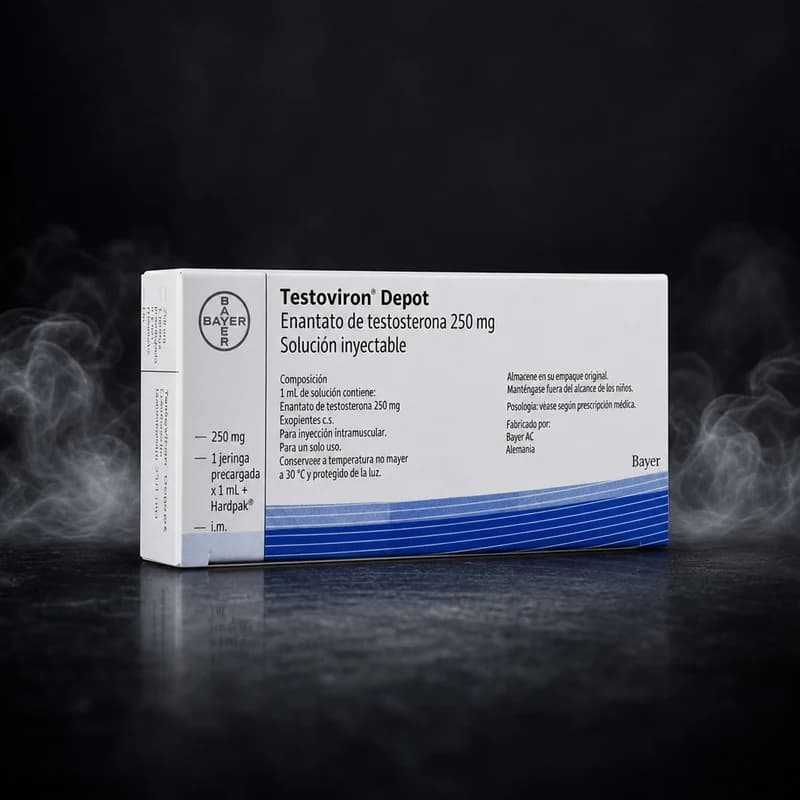
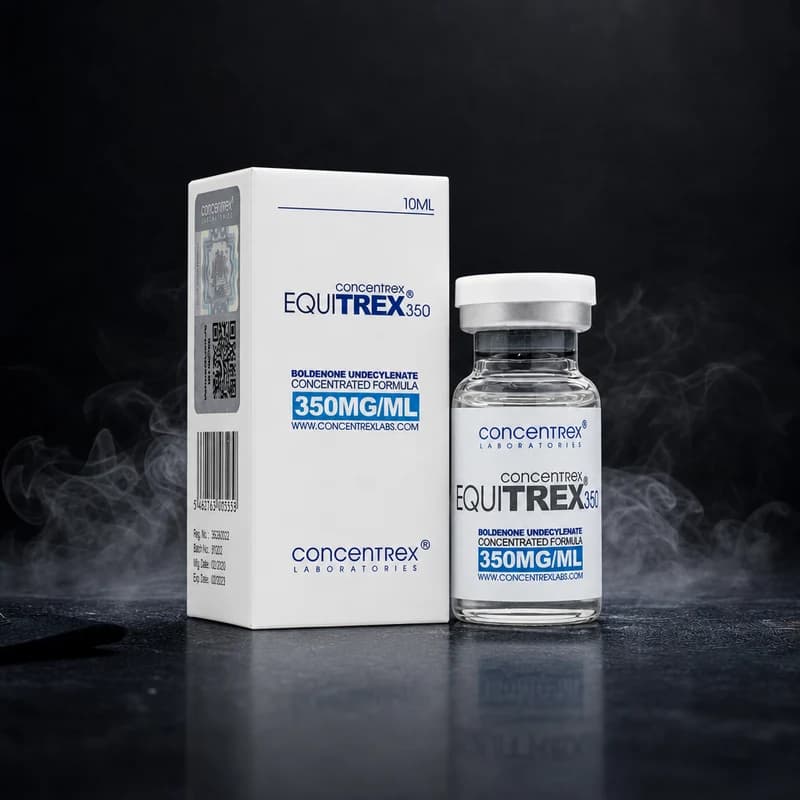
Contraindications: EnanTrex is contraindicated in men with prostate carcinoma or breast carcinoma, untreated severe obstructive sleep apnoea, uncontrolled polycythaemia, or hypersensitivity to any component of the formulation. Men with BPH (benign prostatic hyperplasia) should use testosterone therapy only under active urological supervision.
Side_Effects: Common adverse effects include erythrocytosis (elevated red blood cell mass), acne, increased sebum production, testicular atrophy from HPTA suppression, and fluid retention. Estradiol elevation — a consequence of aromatization — may cause breast tissue sensitivity. Cardiovascular risk increases at supraphysiological doses; lipid-panel shifts (reduced HDL) are documented in androgen-replacement literature.
Monitoring: Serum testosterone (trough draw, 48 hours post-injection), estradiol, hematocrit, PSA, and fasting lipids should be assessed every 8–12 weeks during the first year of therapy. If hematocrit climbs above 52%, dose reduction or a supervised phlebotomy referral is warranted. Annual prostate evaluation is recommended for men over 45 on long-term androgen therapy.
PCT: Men using EnanTrex outside a medically supervised TRT context and wishing to restore endogenous testosterone production after a cycle should allow serum testosterone to decline — generally 14–21 days after the final injection given the enanthate half-life — before initiating a Selective Estrogen Receptor Modulator (SERM) protocol such as tamoxifen or clomiphene. Bloodwork-guided PCT is recommended rather than a fixed-duration approach.

 Established Brand