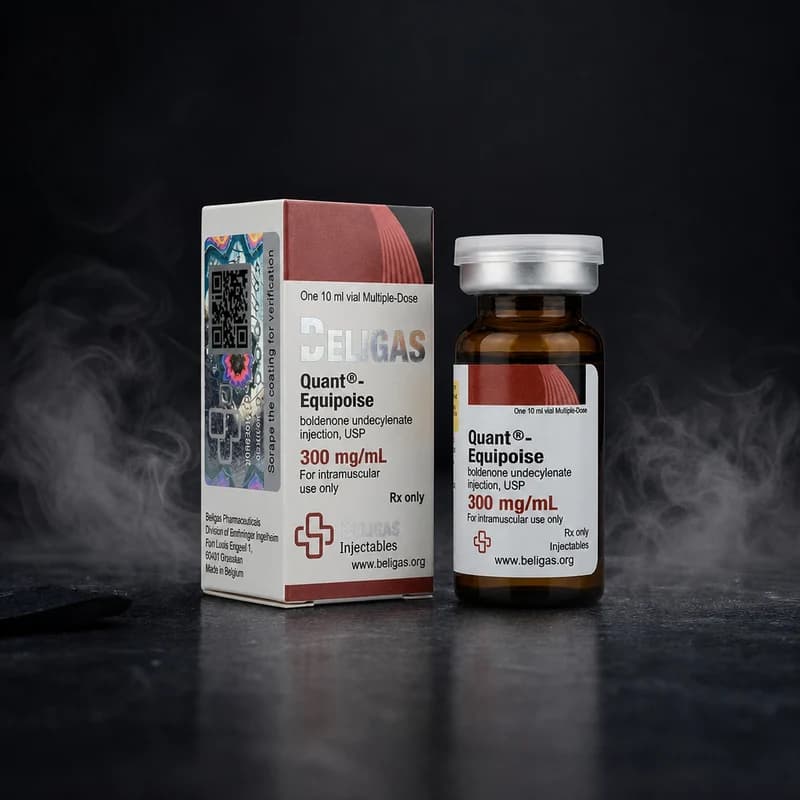
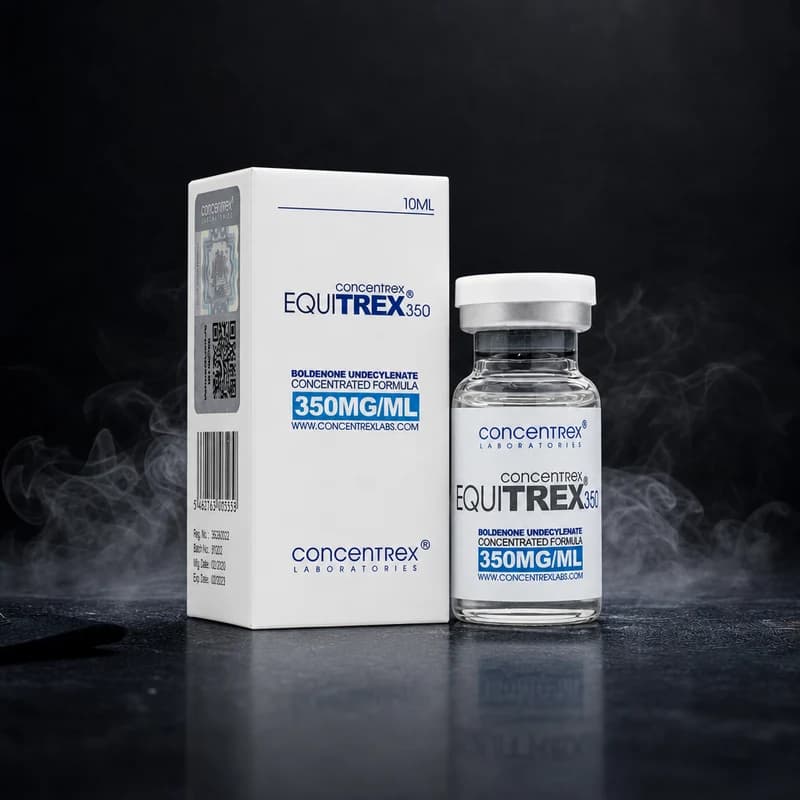
Contraindications: Testosterone Undecanoate Injection is contraindicated in individuals with known or suspected androgen-sensitive carcinoma of the prostate or breast, active thromboembolic disease, severe hepatic impairment, or hypersensitivity to any component of the formulation. Women who are pregnant or may become pregnant must not use this product due to risk of virilisation of the foetus. Patients with untreated obstructive sleep apnoea should undergo evaluation before initiating long-acting androgen therapy.
Side Effects: Common adverse effects include erythrocytosis (elevated haematocrit), acne, increased sebum production, and oily skin — all related to elevated androgen exposure. Suppression of endogenous LH and FSH causes testicular atrophy and impaired spermatogenesis during use. Cardiovascular risks include changes in lipid profile (reduced HDL, elevated LDL), fluid retention, and blood pressure elevation. Injection-site reactions — oil cyst formation, induration — may occur with repeated gluteal injections.
Monitoring: Baseline and periodic monitoring should include serum testosterone (trough at week 10–12), haematocrit/haemoglobin (risk of polycythaemia), prostate-specific antigen (PSA), lipid panel, liver enzymes, and blood pressure. Given the 20–34 day half-life, any adverse haematological or cardiovascular finding cannot be rapidly reversed by discontinuing injections — closer monitoring intervals are warranted during the first year of therapy.
PCT: Post-cycle therapy is required following cessation of testosterone undecanoate use, with particular attention to the delayed recovery timeline imposed by the long half-life. Because residual testosterone undecanoate continues releasing active hormone for 6–12 weeks after the last injection, PCT agents (typically Clomiphene 50 mg/day or Tamoxifen 20–40 mg/day) should not be initiated immediately after the final dose — begin PCT approximately 12–14 weeks after the last injection, confirmed by a testosterone trough measurement below 200 ng/dL.

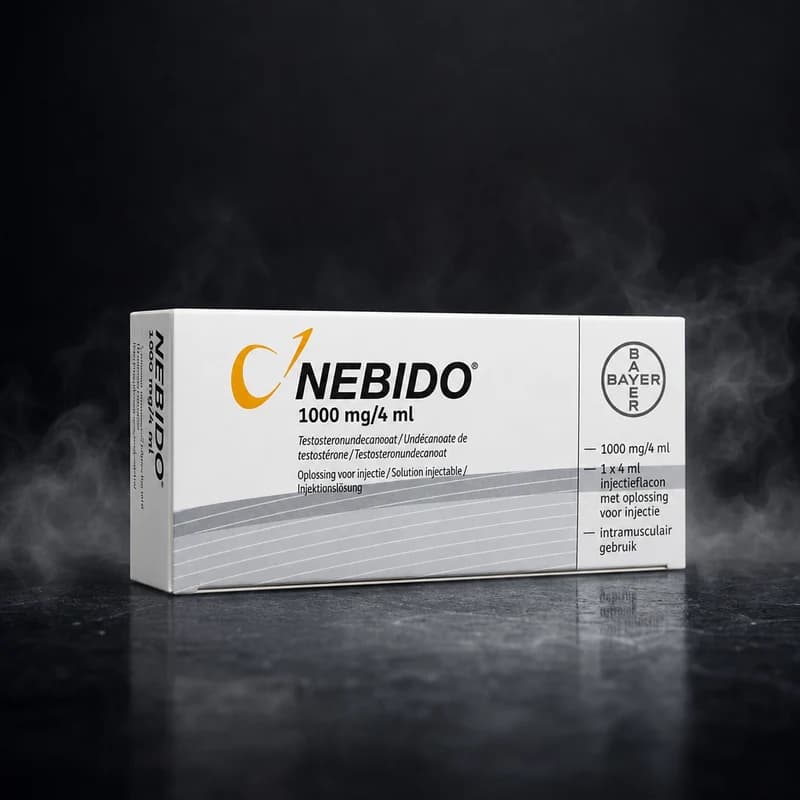 Established Brand