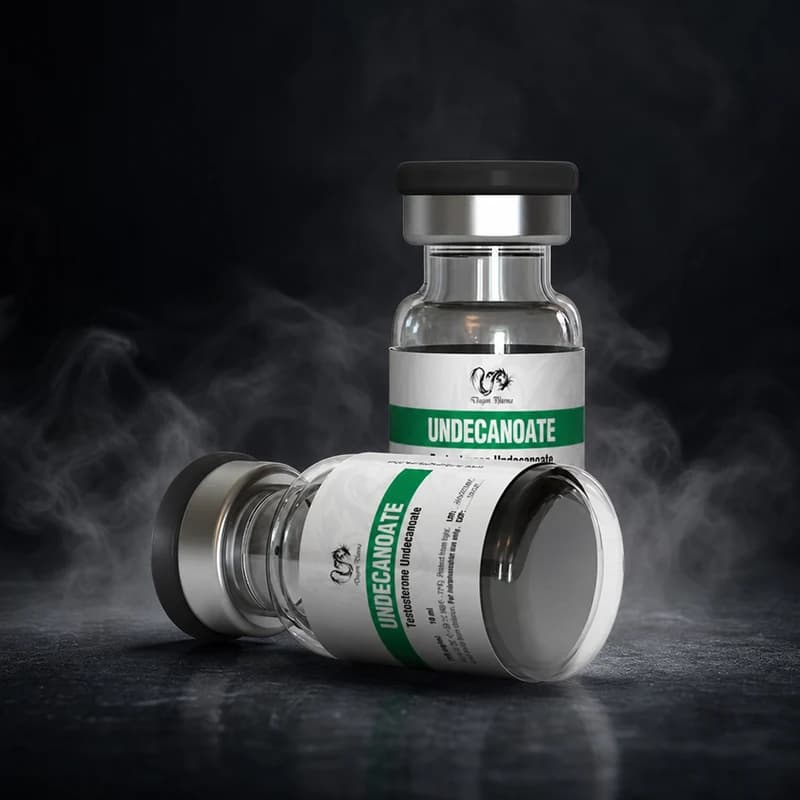
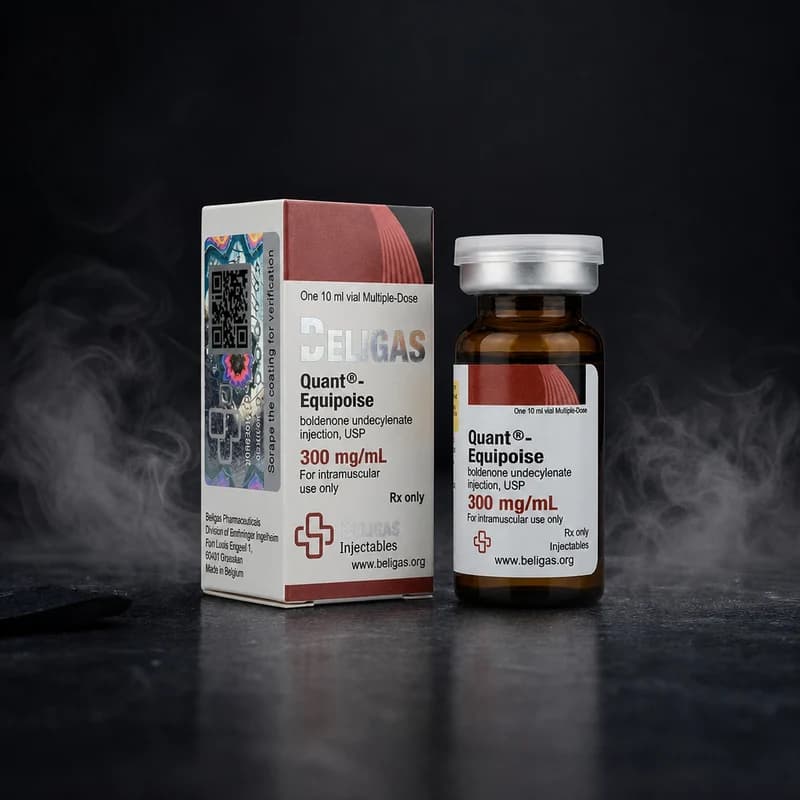
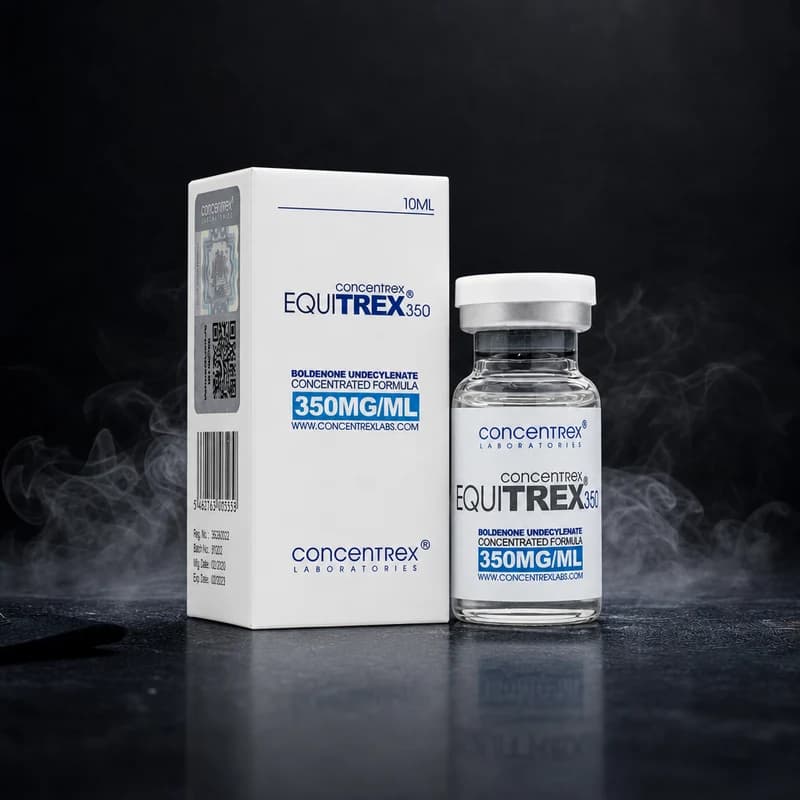
Contraindications: Testosterone Undecanoate Injection is contraindicated in individuals with androgen-sensitive prostate or breast carcinoma, severe untreated cardiac insufficiency, severe liver impairment, or hypercalcaemia associated with malignancy. Individuals with known hypersensitivity to the oil carrier or any excipient in the formulation must not use this product. Women who are pregnant or may become pregnant are absolutely excluded from use.
Side Effects: Androgenic effects include acne, accelerated androgenetic alopecia, and virilisation in female users. Aromatisation to oestradiol may cause fluid retention and gynaecomastia if left unmanaged; an aromatase inhibitor should be incorporated into the cycle protocol. Erythrocytosis — elevated haematocrit — is a documented risk with sustained testosterone administration and should be monitored via full blood count at regular cycle intervals. Mood alterations, libido changes, and appetite shifts are reported during both active and post-cycle phases.
Monitoring: Full blood panel including total testosterone, free testosterone, oestradiol (E2), LH, FSH, haematocrit, and PSA (in men over 40) should be obtained at baseline, at the mid-cycle trough point, and at the post-cycle recovery window. Trough serum testosterone — drawn immediately before the next scheduled injection — is the primary pharmacokinetic monitoring tool in a modern undecanoate protocol and should guide interval adjustment decisions.
PCT: Due to the compound's prolonged release, hypothalamic-pituitary-gonadal axis suppression persists well beyond the final injection. Post-cycle therapy with a SERM (selective oestrogen receptor modulator) should not commence until circulating testosterone has declined to a level consistent with endogenous recovery — typically confirmed by a trough serum testosterone measurement taken no earlier than 10–12 weeks after the last injection. Premature PCT initiation while exogenous testosterone remains active is a documented protocol error.

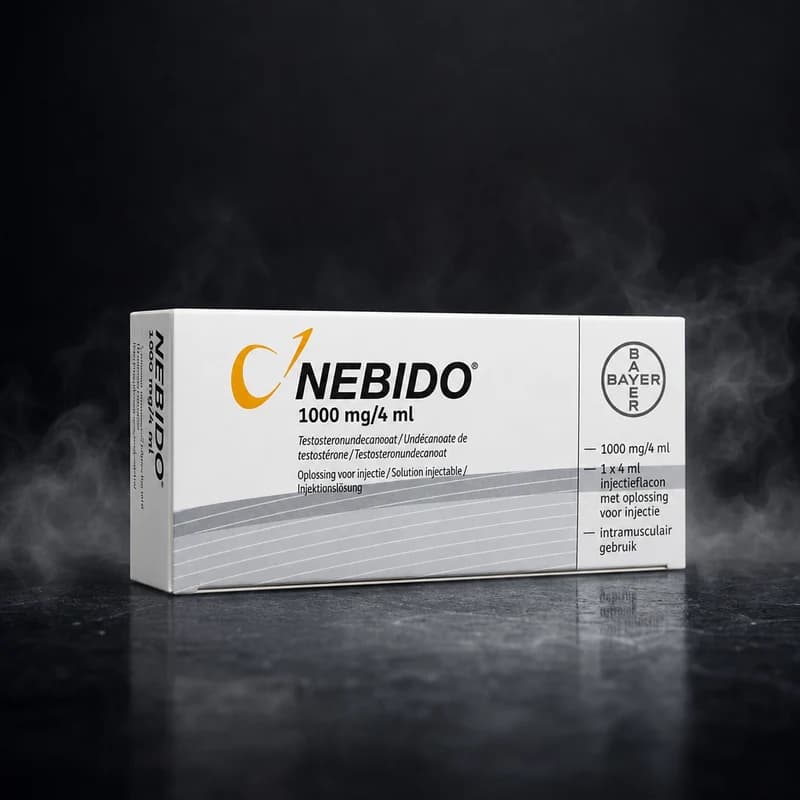 Established Brand