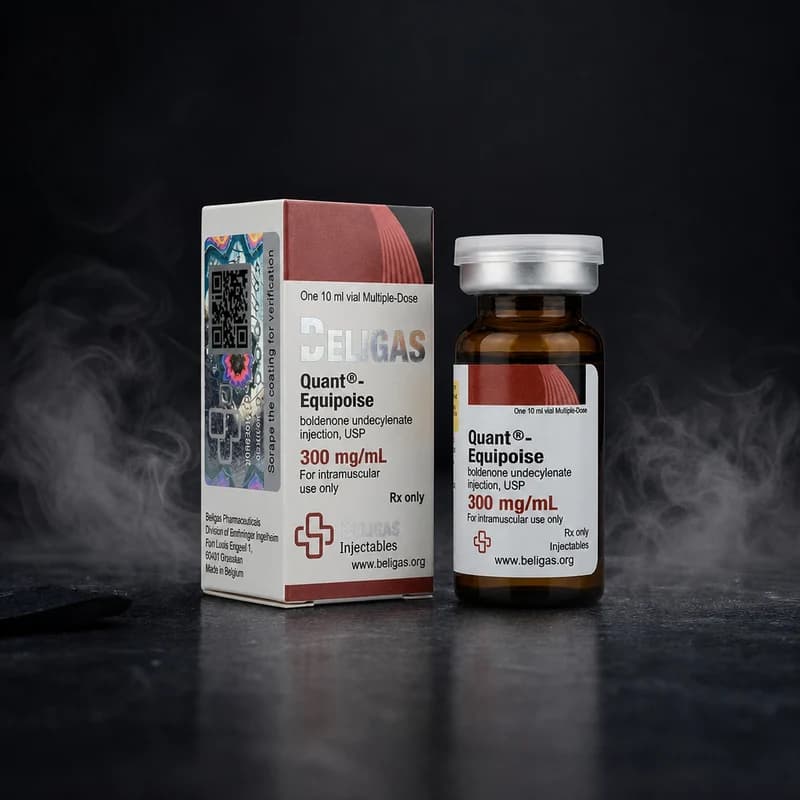
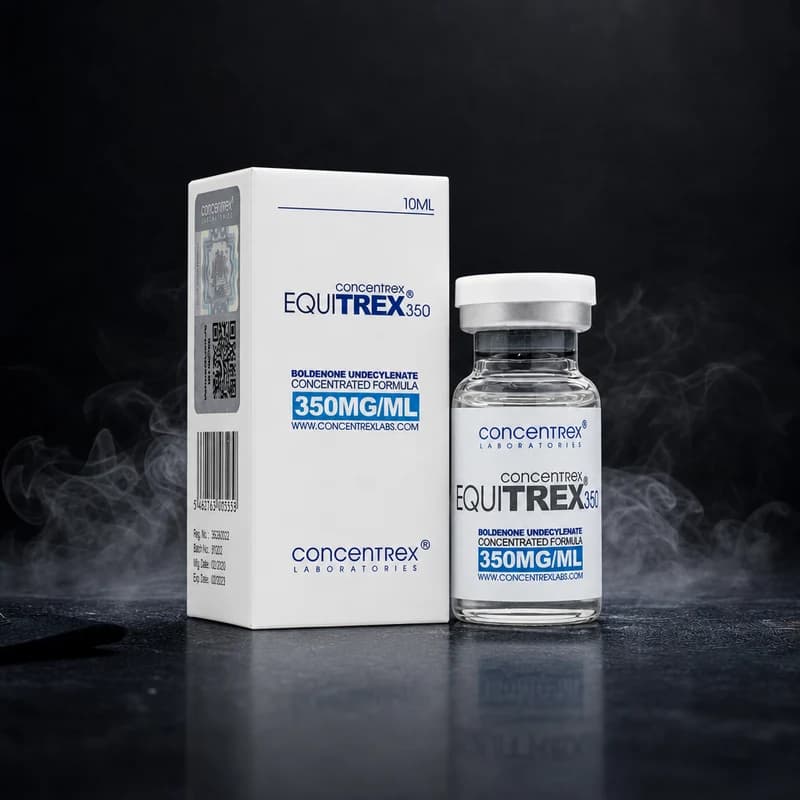
Contraindications: Nebido is absolutely contraindicated in individuals with known or suspected androgen-dependent carcinoma of the prostate or male breast.
Not indicated for use in women, including those who are pregnant or breastfeeding — virilisation risk is irreversible in foetal development.
Patients with hypersensitivity to Testosterone Undecanoate, castor oil, or benzyl benzoate (vehicle components) must not use this product.
Severe hepatic impairment, untreated obstructive sleep apnoea, and polycythaemia are additional contraindications per the EMA-approved product label.
Side Effects: Post-injection site reactions (pain, induration, coughing — 'Nebido cough') are documented in post-marketing data; slow injection technique reduces incidence.
Erythrocytosis (elevated haematocrit) is the most clinically monitored haematological effect; haemoglobin and haematocrit should be assessed before each injection.
Oedema, acne, and changes in lipid profiles (reduced HDL cholesterol) have been reported across clinical trial populations.
Mood alterations and libido changes may reflect fluctuating serum testosterone within the 10–14-week dosing window, particularly near trough.
Monitoring: Serum testosterone trough levels should be measured just before each subsequent injection; target range 12–30 nmol/L per EMA clinical guideline.
PSA (Prostate-Specific Antigen) screening is recommended at baseline, 3 months, and annually thereafter in users over 45 years of age.
Full blood count including haematocrit and haemoglobin required at each injection visit; discontinue or adjust interval if haematocrit exceeds 54 %.
Liver function tests and lipid panel annually; dose-interval adjustment may be required if adverse metabolic markers emerge.
PCT: Due to the 34-day estimated terminal half-life, HPGA suppression persists well beyond the final injection; endogenous recovery may require 4–6 months post-last dose.
SERMs (e.g., Tamoxifen 20 mg/day or Clomiphene 50 mg/day) are typically introduced 10–12 weeks after the final Nebido injection to coincide with declining exogenous testosterone levels.
HCG pre-loading (500 IU every other day for 3–4 weeks) beginning approximately 6–8 weeks after the last ampoule is used by some practitioners to prime Leydig cell responsiveness before SERM initiation.
Full HPGA recovery timelines are individual; LH, FSH, and total testosterone bloodwork at 12 and 24 weeks post-cycle are the minimum recommended monitoring checkpoints.

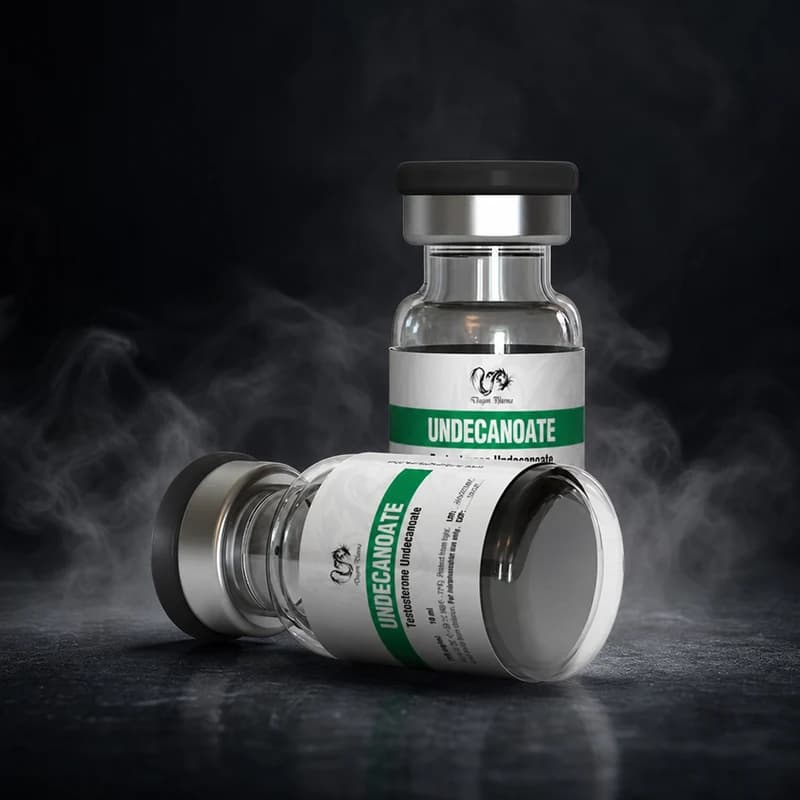 Long-Acting Formula