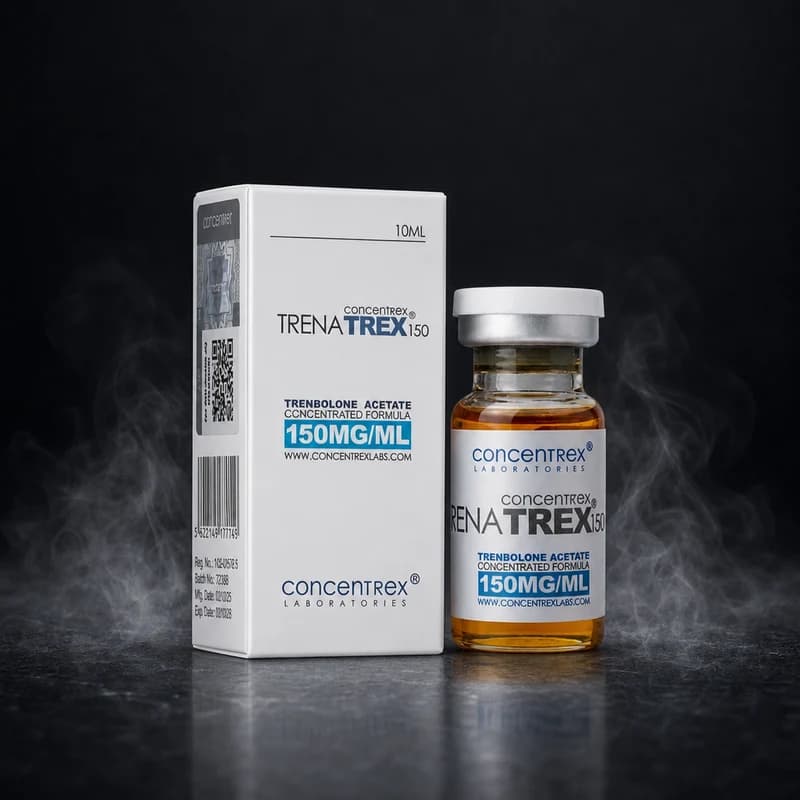
Contraindications: Trenbol 100 is contraindicated in individuals with diagnosed prostate or breast carcinoma, severe hepatic impairment, active cardiovascular disease, or hypersensitivity to any component of the formulation including benzyl alcohol. Individuals under 21 years of age should not use this compound due to ongoing endocrine axis maturation. Women of childbearing potential must avoid Trenbolone Acetate given its androgenic virilisation risk.
Side_Effects: Androgenic effects including accelerated androgenic alopecia, acne vulgaris, and seborrhoea are dose-dependent. Trenbolone Acetate's strong progestogenic activity can suppress endogenous gonadotrophin secretion rapidly — a consequence compounded by its short half-life cycling frequently through the HPG axis. Cardiovascular risk includes adverse lipid remodelling (LDL elevation, HDL suppression), left ventricular hypertrophy with sustained use, and haematocrit elevation. Trenbolone-specific adverse events include night sweats, reduced aerobic endurance, and elevated resting heart rate — monitor and reduce dose if resting heart rate consistently exceeds 90 bpm.
Monitoring: Serum lipid panel (LDL, HDL, total cholesterol) at baseline and every four weeks of active use. Haematocrit and haemoglobin checked monthly; haematocrit above 52 % warrants dose interruption. Liver enzyme panels (AST, ALT) and renal function markers are recommended at cycle mid-point. Blood pressure should be self-monitored at least twice weekly; persistent systolic readings above 140 mmHg require immediate dose reassessment.
PCT: Because Trenbolone Acetate's half-life is approximately 48–72 hours, suppression of the hypothalamic-pituitary-gonadal axis clears pharmacokinetically faster than with long-ester trenbolone compounds. Post-cycle therapy with a SERM (Clomiphene citrate 50 mg/day or Tamoxifen 20 mg/day) should commence no later than five days after the final injection. A standard 4-week PCT protocol is recommended; hCG pre-loading during the final week of the cycle may support a more robust gonadotrophin recovery response.

 Optimal Dosage