What Defines Injectable Trenbolone Acetate's Bioavailability Advantage
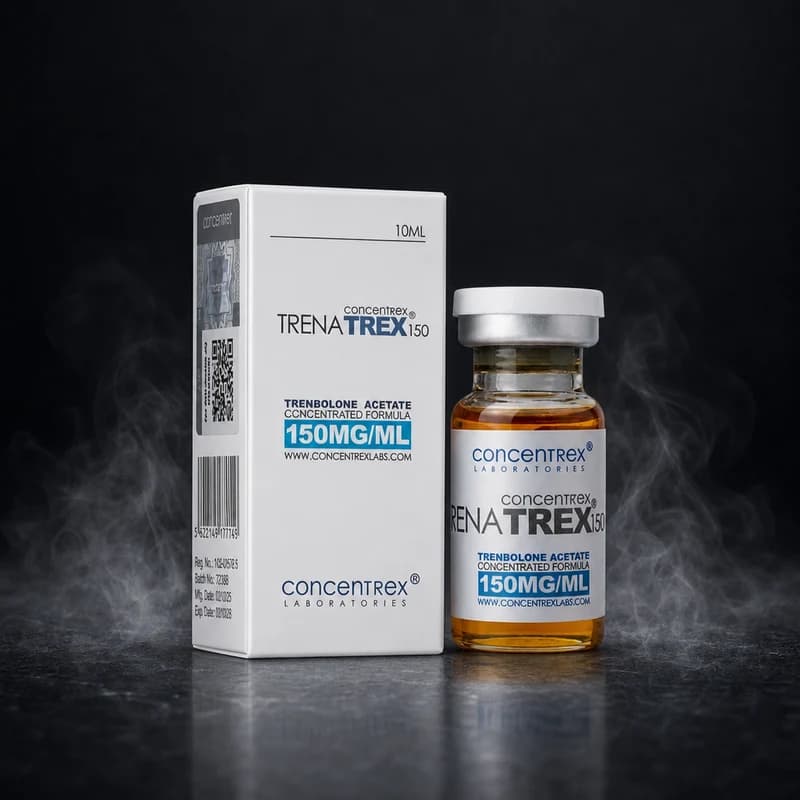
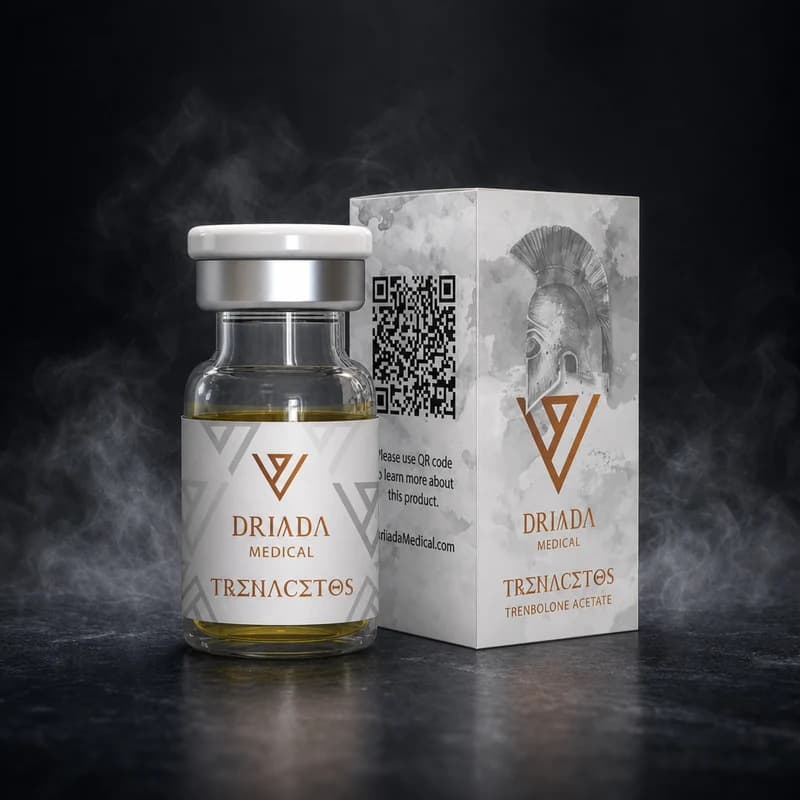
Acro-Trenbolone is a pharmaceutical-grade intramuscular preparation whose defining characteristic is the elimination of hepatic first-pass metabolism — the primary reason oral anabolic compounds lose a substantial fraction of their active dose before reaching systemic circulation. When Trenbolone Acetate is administered via intramuscular injection, the hormone absorbs directly into capillary beds surrounding the injection site and enters the bloodstream intact. Compared to oral trenbolone derivatives, which would face enzymatic degradation in the gastrointestinal mucosa and liver, the injectable route preserves the entire administered dose for receptor binding. Intramuscular injection delivers Trenbolone Acetate with bioavailability approaching 100%, while hypothetical oral delivery of the same molecule would be substantially diminished by CYP3A4-mediated hepatic extraction.
First-Pass Metabolism: Why Oral Routes Fail Trenbolone
First-pass metabolism represents the single largest barrier to oral bioavailability for most anabolic steroids. Orally ingested compounds transit the portal vein and arrive at the liver before entering general circulation, where hepatic enzymes — particularly cytochrome P450 isoforms — catabolise a significant proportion of the active drug. Trenbolone Acetate carries no 17-alpha-alkylation modification, which means an oral form would be destroyed almost entirely on first hepatic pass. The injectable formulation sidesteps this pathway completely: the acetate ester attaches to the hormone, slowing local absorption from the injection depot into plasma, while the rest of the pharmacokinetic profile proceeds without hepatic interference at the absorption stage. This mechanism explains why injectable Trenbolone Acetate remains the only pharmacologically rational delivery route for this compound.
Absorption Depot and Pharmacokinetic Profile
Following intramuscular administration, Trenbolone Acetate forms a localised oil depot at the injection site. The acetate ester's short carbon chain confers a clinical half-life of approximately 48–72 hours, necessitating dosing frequency of three to four times per week to sustain stable plasma concentrations — a protocol supported by pharmacokinetic modelling of short-ester testosterone analogues adapted to trenbolone's metabolic profile. Beligas Pharmaceuticals formulates Acro-Trenbolone under ISO-aligned GMP conditions; each batch undergoes HPLC potency assay to confirm that the labelled 100 mg/ml concentration is accurate within defined specification limits, and LAL (Limulus Amebocyte Lysate) endotoxin testing confirms sterility before release.
Manufacturing Verification and Quality Standards
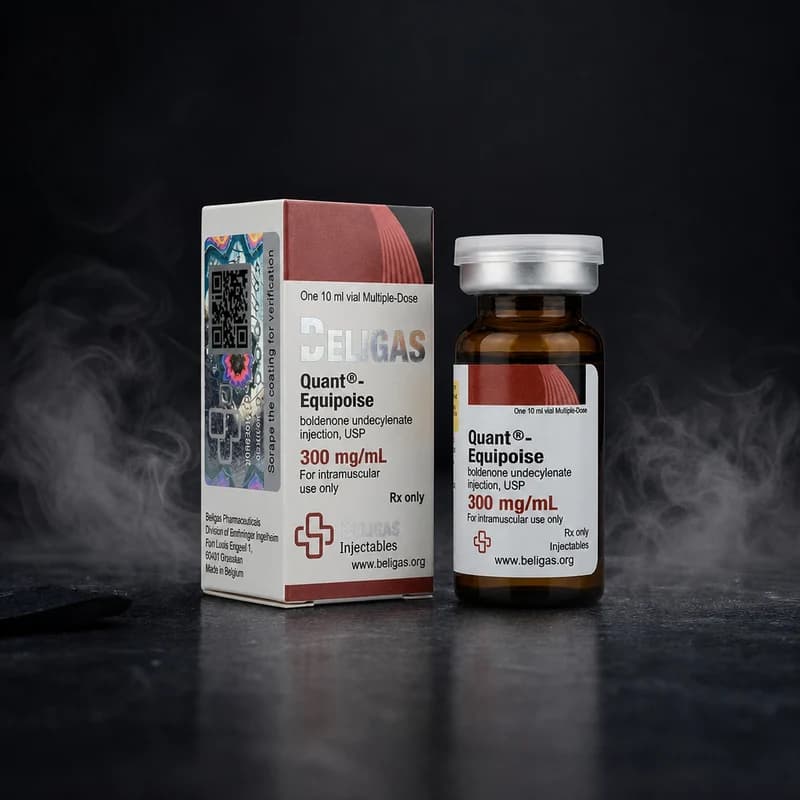
Beligas Pharmaceuticals subjects every Acro-Trenbolone lot to a multi-stage quality release sequence: incoming Trenbolone Acetate API is identity-confirmed via spectroscopic analysis, the filled vials undergo HPLC-based content uniformity testing, and endotoxin burden is quantified through LAL assay — all three gatekeeping steps must pass before the batch is released for distribution. The 10 ml borosilicate glass vial format accommodates full cycle volumes without requiring multiple vials, and the multi-puncture stopper is validated for compatibility with oil-based formulations.

 Fast Acting