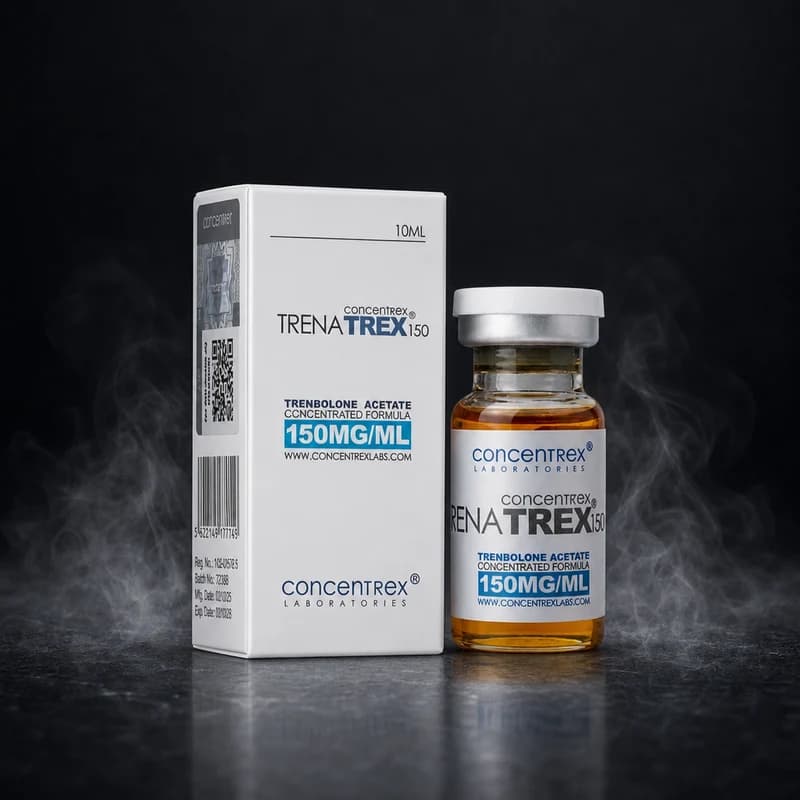
Contraindications: Trenbolone 100 is contraindicated in individuals with known androgen sensitivity, active or suspected prostate pathology, existing cardiovascular disease (particularly left ventricular hypertrophy or dyslipidaemia), hepatic impairment, or hypersensitivity to any component of the oil vehicle including benzyl alcohol. Not indicated for use in women due to high androgenic potency and virilisation risk. Minors must not use this product under any circumstances.
Side Effects: Commonly reported androgenic effects include acne, accelerated scalp hair recession in genetically predisposed users, and increased sebaceous gland activity. Progestogenic activity associated with trenbolone may suppress natural testosterone production rapidly — often within the first week of use, which the frontloading phase can accelerate due to early peak concentrations. Additional reported effects include nocturnal sweating, elevated resting heart rate, and reduced aerobic endurance at higher doses.
Monitoring: Serum lipid panels (LDL, HDL, total cholesterol) should be assessed at baseline and every 4–6 weeks during a cycle, as trenbolone demonstrates significant suppressive effects on HDL — a risk compounded by the elevated early concentrations produced during frontloading. Haematocrit, haemoglobin, and blood pressure monitoring are advisable throughout. Users should track resting heart rate; a sustained increase above individual baseline warrants dose reassessment.
PCT: Post-cycle therapy should be initiated once trenbolone acetate has cleared — typically 5–7 days after the final injection, given the short ester's elimination window. A standard SERM-based PCT protocol (e.g., Nolvadex or Clomid at established dosing guidelines) is appropriate. The frontloading phase does not alter PCT timing; the countdown begins from the last maintenance injection, not from the loading dose date.

 Optimal Dosage