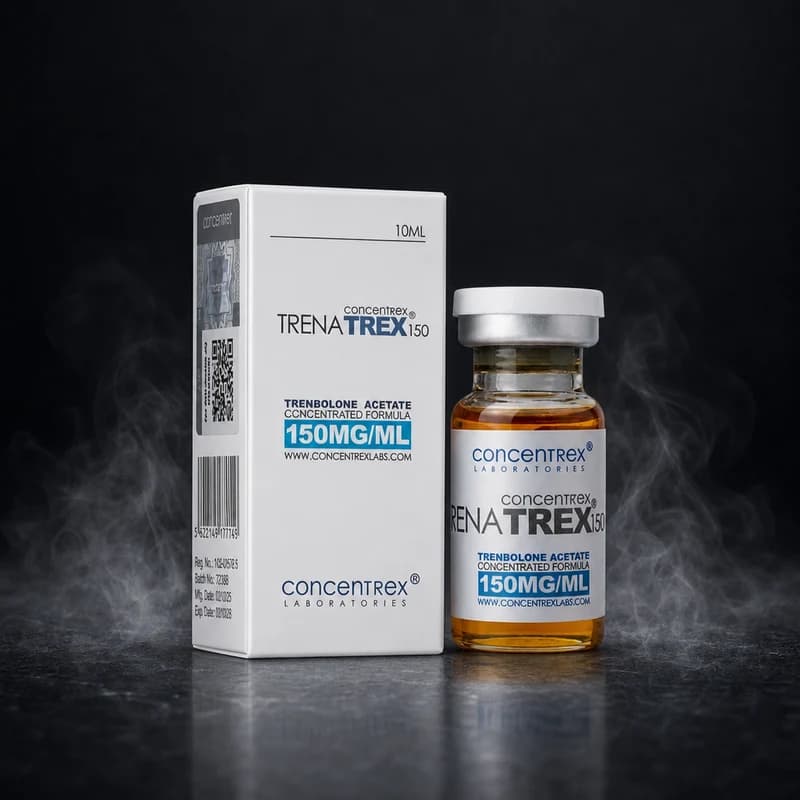
Contraindications: Trenbolin-100 is contraindicated in individuals with known androgen-sensitive conditions including prostate carcinoma, breast carcinoma in males, or severe hepatic impairment. Women of childbearing potential should not use this compound due to high virilisation risk. Pre-existing cardiovascular disease, polycythaemia, or untreated hypertension are absolute contraindications.
Side_Effects: Trenbolone Acetate is associated with androgenic effects (accelerated hair loss in predisposed individuals, acne, oily skin), cardiovascular strain (elevated haematocrit, reduced HDL cholesterol), and CNS-mediated effects including insomnia and elevated aggression. Night sweats and reduced aerobic capacity are commonly reported and are specific to trenbolone's mechanism. The fast-acting nature of the acetate form means side effects can manifest within the first week — monitor proactively.
Monitoring: Obtain a complete blood count (CBC), lipid panel, and blood pressure reading at baseline and every four to six weeks during use. Haematocrit should remain below 54%; values above this threshold carry elevated cardiovascular risk. Kidney function markers (creatinine, BUN) should be monitored given trenbolone's dark-urine association. HPLC-validated batch documentation should be retained for clinical reference if adverse events require investigation.
PCT: Due to trenbolone's potent suppression of the hypothalamic–pituitary–gonadal (HPG) axis, a structured PCT is mandatory. Because the acetate ester clears within 48–72 hours of the last injection, PCT agents such as Clomiphene Citrate or Tamoxifen can be initiated promptly — an efficacy advantage of the fast-acting form. Duration of PCT is typically four to six weeks, calibrated to cycle length and compound stack composition.

 Optimal Dosage