TB-500 as a PCT and Bridge Peptide: Why the Off-Cycle Window Matters Most
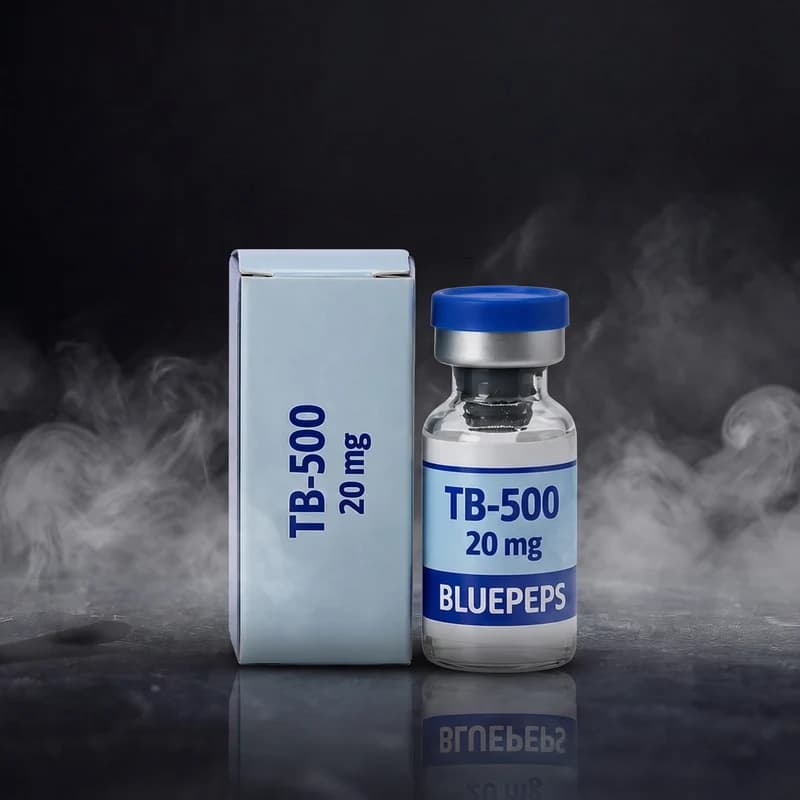
TB-500 is a peptide that accelerates tissue remodelling by binding G-actin and promoting the upregulation of β4-integrin, a mechanism that remains fully active independent of the hormonal axis — making it uniquely compatible with PCT protocols where androgenic support is deliberately absent. Compared to anabolic compounds used during a cycle, TB-500 exerts no suppressive effect on the hypothalamic-pituitary-gonadal (HPG) axis, allowing it to operate alongside SERMs such as tamoxifen or clomiphene without interference. That hormonal neutrality is the core rationale for its use in the bridge period between cycles.
During PCT, endogenous testosterone recovery is the primary objective, but it coincides with a period of reduced anabolic drive and heightened joint vulnerability. TB-500 addresses the connective tissue side of that equation: the peptide promotes fibroblast proliferation and extracellular matrix synthesis, supporting tendon and ligament resilience at precisely the time when training loads must be managed carefully. Clinical peptide research consistently records measurable increases in tissue repair markers within a 4–6 week administration window, providing a quantifiable recovery endpoint aligned with standard PCT duration.
Dosing the 5mg/vial Format During a Bridge or PCT Phase
The 5 mg/vial concentration gives users granular control over weekly dose increments — a meaningful advantage during PCT when minimising unnecessary peptide load is as important as achieving therapeutic effect. A loading dose of 2.5 mg twice weekly for two weeks, followed by a maintenance dose of 2.5 mg once weekly, fits neatly within the 5 mg single-vial volume and aligns with protocols reported in peer-reviewed peptide pharmacology literature.
Master Pharma produces this SKU under GMP-compliant fill-finish conditions; lot release requires both HPLC-confirmed peptide identity against a certified reference standard and a LAL (Limulus Amebocyte Lysate) endotoxin result within parenteral safety limits, each recorded on the lot-specific COA.
Muscle Preservation and Anti-Inflammatory Action Off-Cycle
TB-500 promotes satellite cell activation and modulates NF-κB-driven inflammation — two mechanisms directly relevant to preventing the accelerated muscle catabolism and joint inflammation that commonly follow cycle cessation. The peptide supports muscle preservation not through androgenic pathways but through cellular repair signalling, making it a structurally distinct intervention compared to any hormone-based bridging strategy. Users integrating TB-500 into a PCT phase report reduced joint discomfort and faster return to full training capacity, outcomes consistent with the peptide's documented role in tendon and skeletal muscle repair.

 HPLC Verified