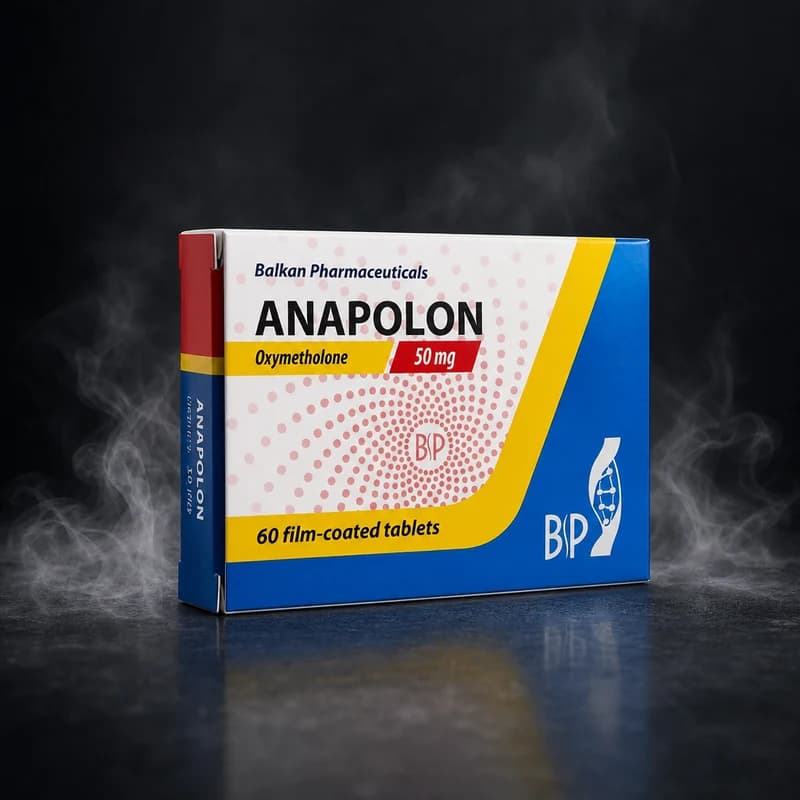
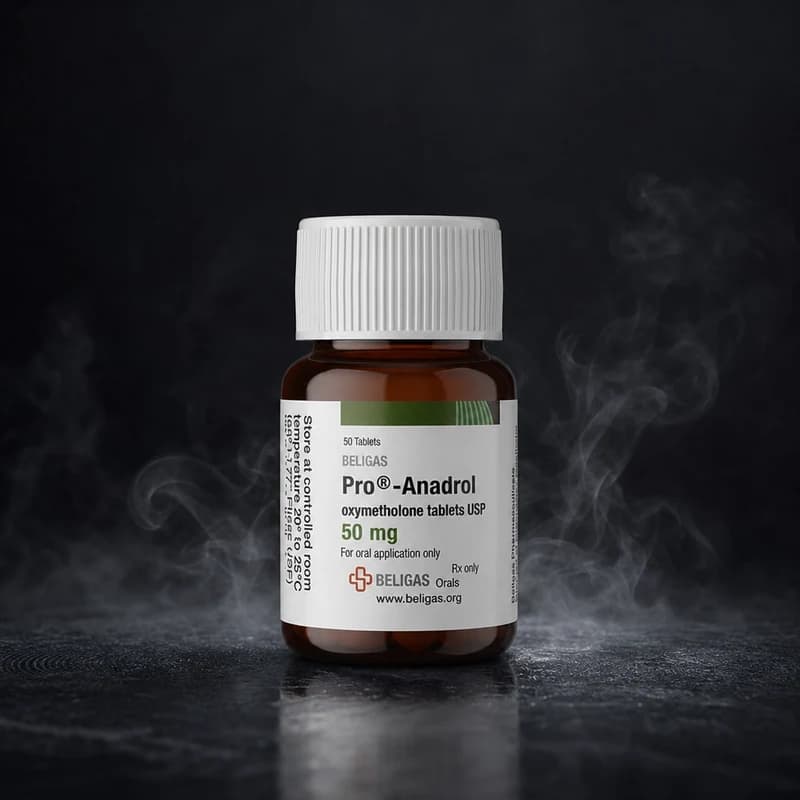
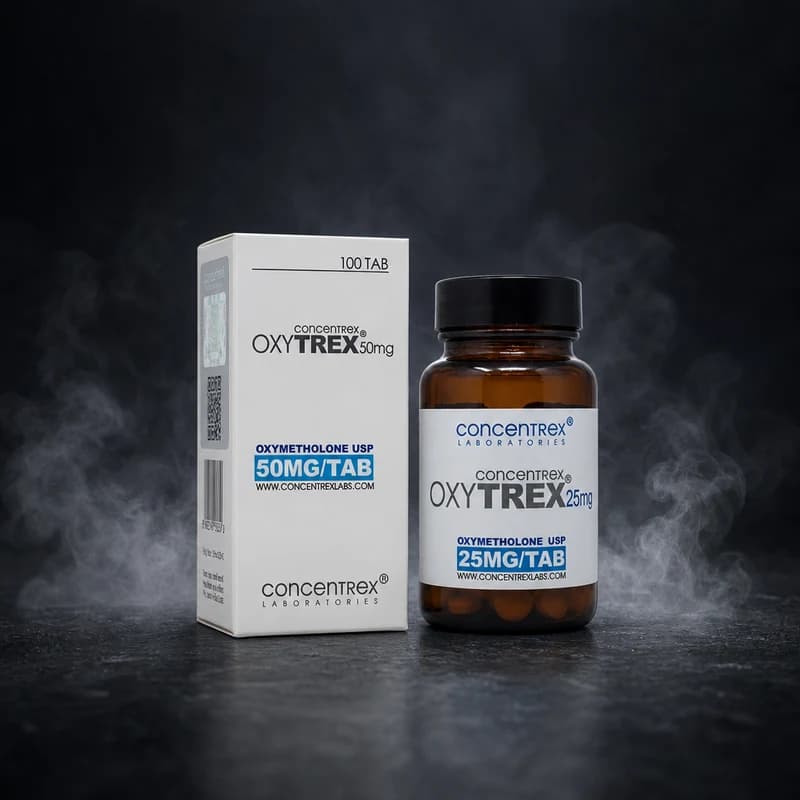
Contraindications: Oxythol is contraindicated in individuals with pre-existing liver disease or elevated hepatic enzymes confirmed on laboratory assay, active or unmanaged cardiovascular pathology, polycythaemia vera or secondary erythrocytosis, and documented hypersensitivity to Oxymetholone or any tablet excipient. Use is restricted to adult males with established multi-cycle experience operating under medical or specialist supervision; it is not appropriate for women, adolescents, or first-cycle users.
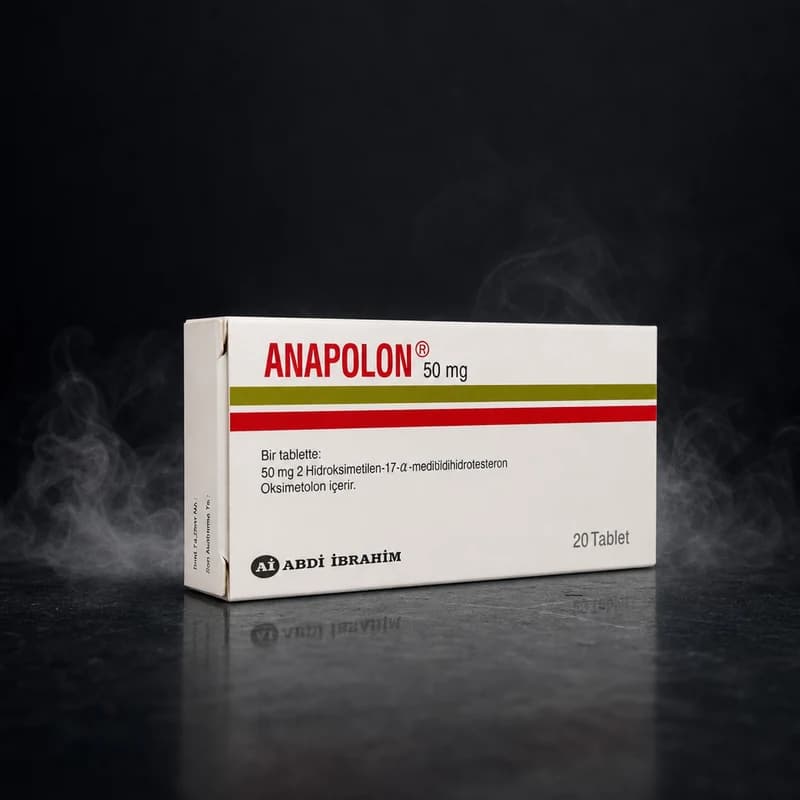
Side_Effects: Adverse effects associated with Oxymetholone include hepatocellular stress expressed as ALT and AST elevation — a consequence of the 17α-alkyl modification required for oral bioavailability — alongside secondary erythrocytosis quantifiable by rising haematocrit on routine CBC. Androgenic sequelae in susceptible individuals include accelerated scalp-hair thinning and sebaceous gland hyperactivity. Lipid-panel disruption — characterised by rising LDL and falling HDL — represents a cardiovascular risk factor requiring monitoring throughout use. Intracellular fluid accumulation may produce transient bodyweight increases disproportionate to lean-tissue gain. Despite the absence of direct aromatisation due to the DHT-derived structure, progestogenic receptor interaction may elevate gynecomastia susceptibility independent of oestrogen conversion.
Monitoring: A full blood panel — encompassing ALT, AST, total bilirubin, CBC inclusive of haematocrit, and a lipid profile — is mandatory at three points: before the first dose, at the mid-cycle two-week interval, and at protocol cessation. Daily self-monitored blood pressure readings are advised throughout the active oral androgen window. A haematocrit value exceeding 54 % on any single assessment requires immediate dose reduction and prompt clinical consultation before resuming any oral androgen exposure.
PCT: Oxythol exerts suppressive pressure on the hypothalamic-pituitary-gonadal axis proportional to dose and duration. Endogenous testosterone recovery requires a structured SERM-based restoration protocol — Tamoxifen or Clomiphene are the established agents — initiated according to injectable ester clearance timing rather than the date of the final oral tablet. Users maintained on continuous TRT or a cruise phase should manage the Oxymetholone window as an overlay within that framework rather than initiating standalone PCT.

 Lab Tested