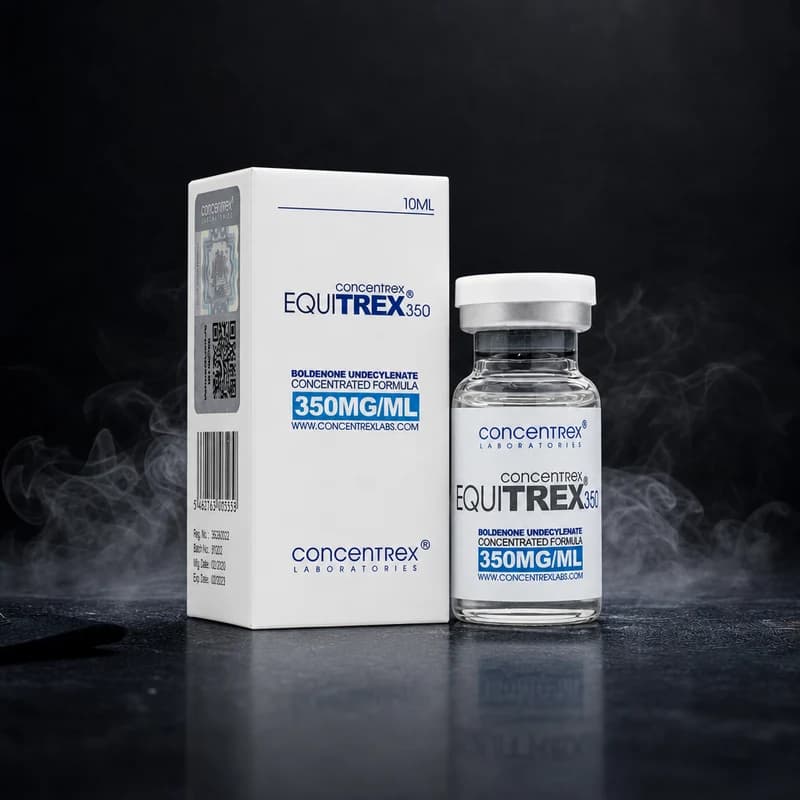
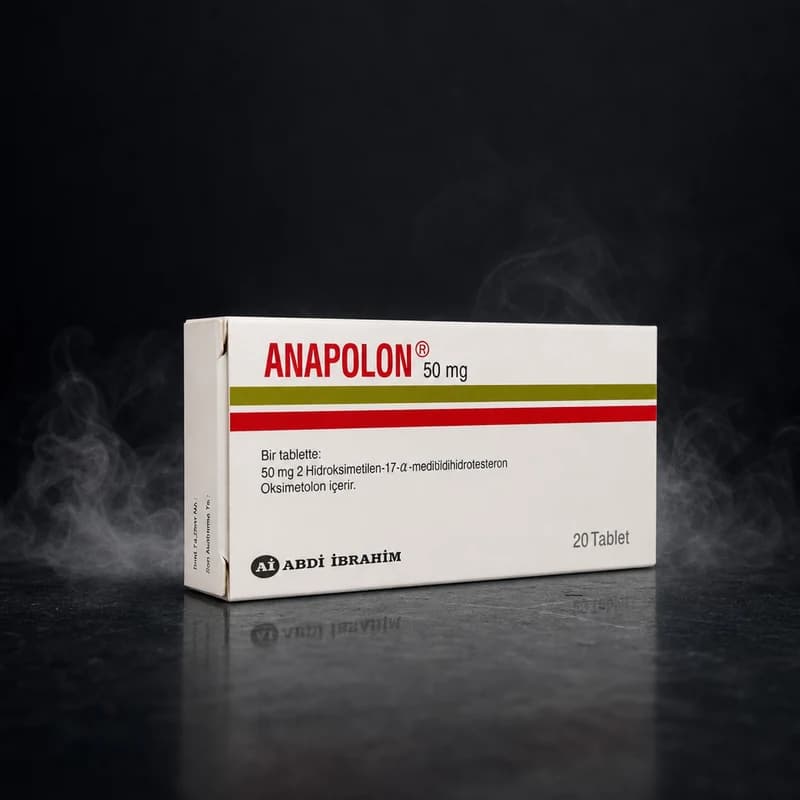
contraindications: Anapolon is contraindicated in individuals with existing hepatic impairment, prostatic carcinoma, breast carcinoma in males, hypercalcaemia, nephrotic syndrome, or documented hypersensitivity to Oxymetholone or any excipient. Not approved for use in females of childbearing potential or in individuals under 18 years of age.
side_effects: Oxymetholone carries a documented hepatotoxicity profile consistent with 17α-alkylated oral androgens, including elevated serum transaminases (ALT/AST), cholestatic jaundice, and, in rare prolonged cases, peliosis hepatis. Cardiovascular effects include LDL elevation and HDL suppression. Oedema due to sodium and water retention is common at doses of 50–100 mg/day. Androgenic effects — including accelerated scalp recession in genetically predisposed individuals and acne — may occur despite the DHT-derived backbone. Endogenous testosterone suppression is profound and dose-dependent.
monitoring: Liver function panels (ALT, AST, bilirubin, ALP) should be obtained at baseline, at three-week intervals during the cycle, and four weeks post-cycle. Lipid profile (LDL, HDL, total cholesterol) and haematocrit should be monitored given Oxymetholone's known erythropoietic activity — haemoglobin elevation above 17.5 g/dL warrants cycle interruption. Blood pressure should be recorded weekly given sodium-retention-related volume expansion.
pct: Post-cycle therapy should commence approximately 24–48 hours after the final Oxymetholone tablet, timed to coincide with the expected plasma clearance based on the 8–9 hour half-life (approximately 4–5 half-lives = 36–45 hours to near-complete clearance). A SERM-based PCT protocol using Tamoxifen (40 mg/day for 2 weeks, then 20 mg/day for 2 weeks) or Clomiphene Citrate is standard. SHBG normalisation and endogenous LH/FSH recovery should be confirmed before considering any further cycle.

 Lab Tested