Contraindications: Not suitable for individuals with hepatic impairment, existing cardiovascular disease, prostate pathology, or hypersensitivity to Oxymetholone. Contraindicated in women who are pregnant or may become pregnant. Individuals with a history of cholestasis or elevated baseline LFTs (ALT/AST exceeding twice the upper limit of normal) should not begin a cycle.
Side Effects: Hepatotoxicity is the primary risk: elevated ALT, AST, and bilirubin are expected with sustained use; cholestatic jaundice has been reported. Haematological effects include erythrocytosis and alterations in coagulation parameters. Androgenic effects — including seborrhoea, acne, and scalp-hair thinning in predisposed individuals — occur despite Oxymetholone's DHT-derived structure. Oedema secondary to sodium retention requires monitoring in users with any cardiovascular predisposition. Receptor desensitization is an intended pharmacological consequence of extended use, not a side effect per se, but it is the mechanism that limits cycle duration.
Monitoring: Obtain baseline liver function panel (ALT, AST, GGT, bilirubin), full blood count, and lipid profile before beginning. Retest LFTs at the cycle midpoint and again at cessation. Monitor haematocrit; values exceeding 54% warrant dose reduction or cessation. Blood pressure should be checked weekly given the sodium-retentive properties of the compound.
PCT: Begin post-cycle therapy within 24–48 hours of the final dose. A SERM-based protocol (e.g. Tamoxifen or Clomiphene) is standard; duration of PCT should reflect both the endocrine suppression burden and the four-to-eight-week AR density recovery window. Avoid introducing any other androgenic compound during the off-cycle interval — receptor re-sensitisation is compromised by any continued AR stimulation.

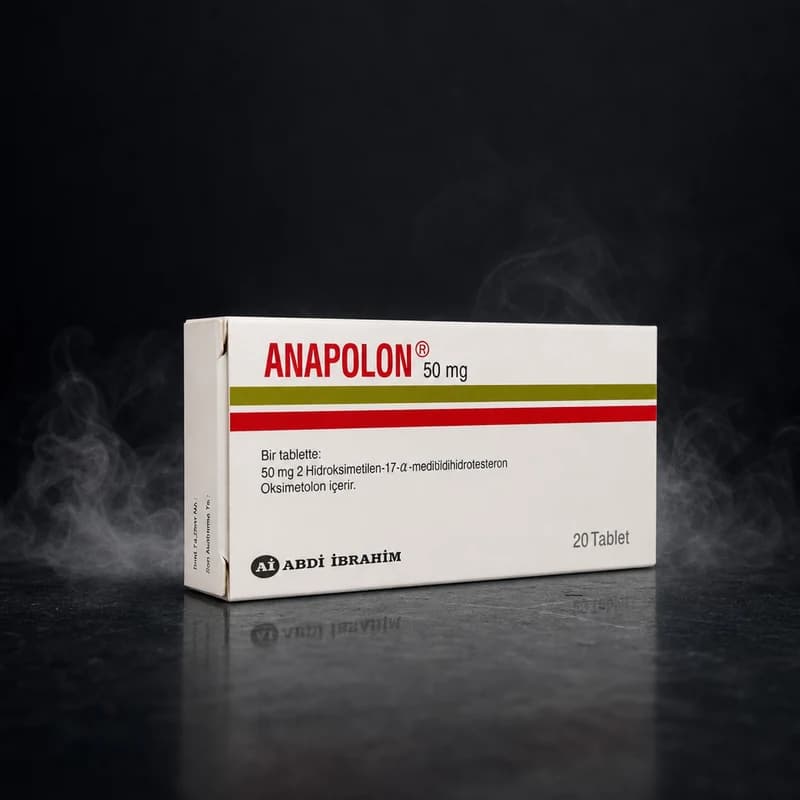 Lab Tested