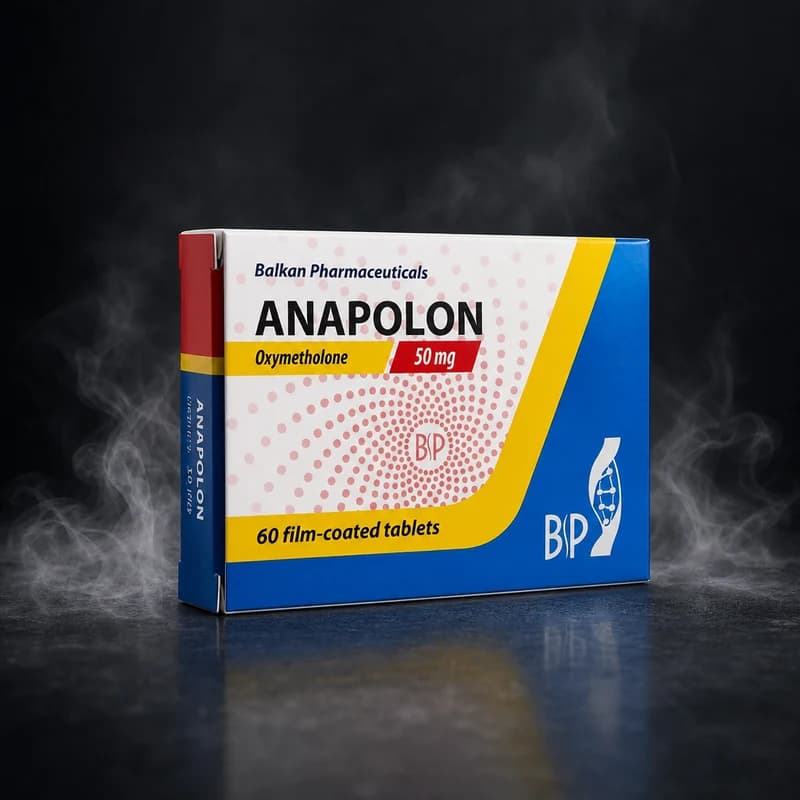
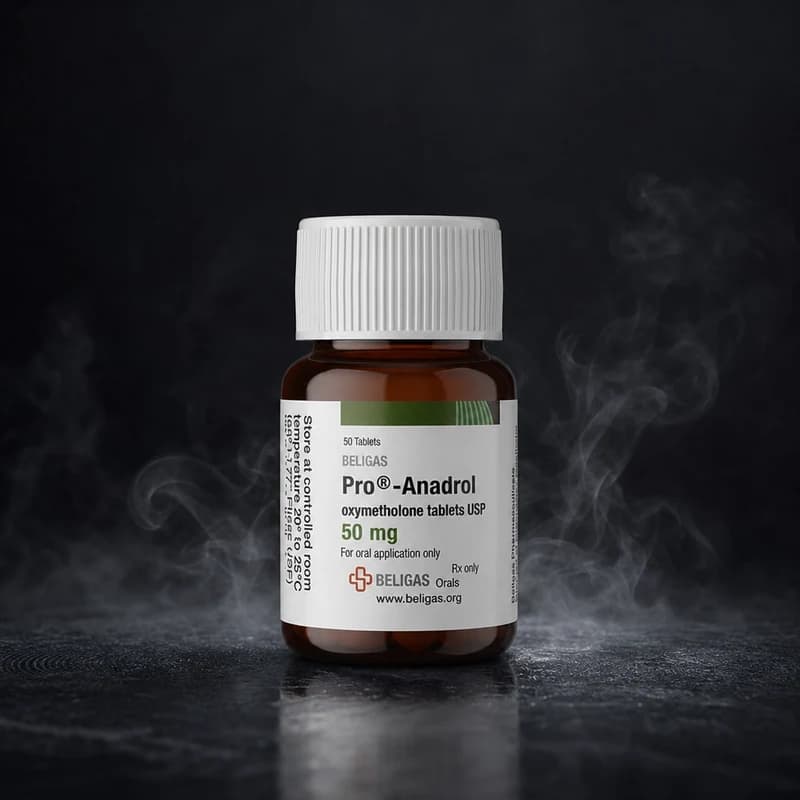
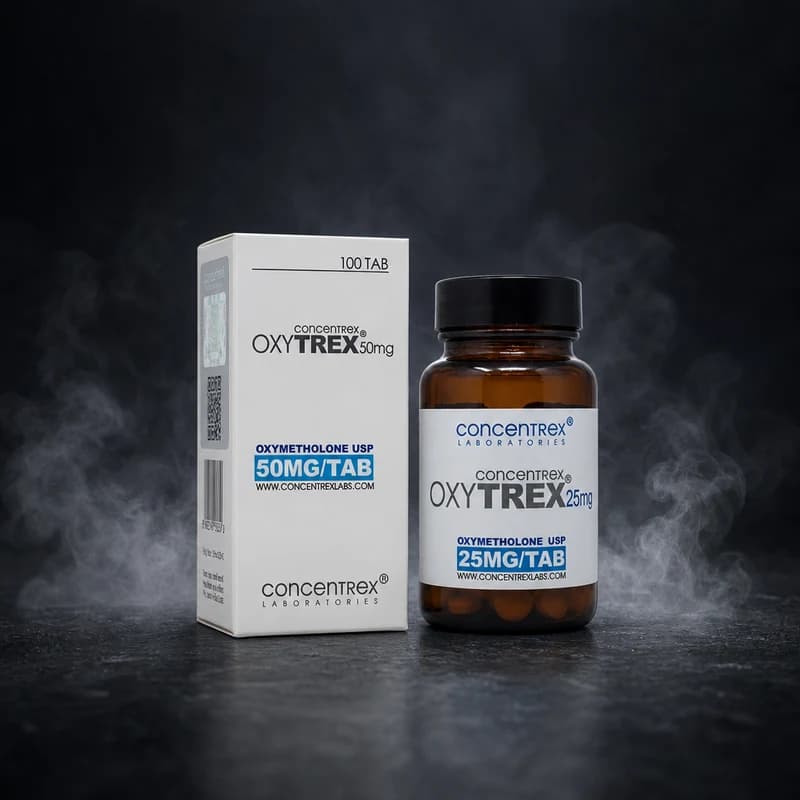
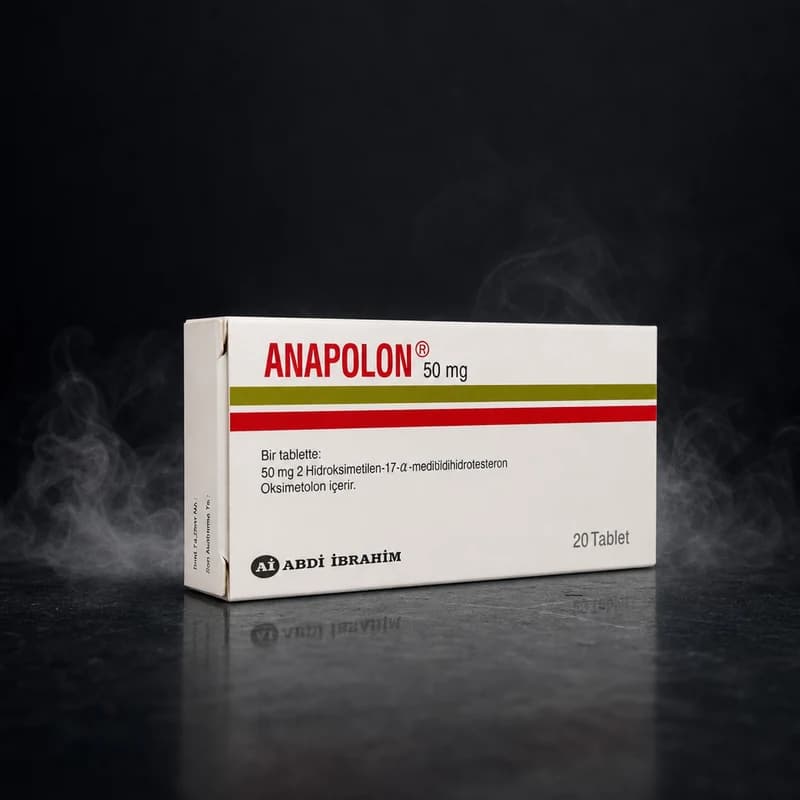
Contraindications: Oxypolon is contraindicated in individuals with pre-existing hepatic impairment, elevated baseline ALT or AST, diagnosed or suspected prostate or breast carcinoma, polycythaemia, or a history of hypercalcaemia. Women of childbearing potential should not use this compound. Individuals on anticoagulant therapy require heightened caution as Oxymetholone potentiates the activity of oral anticoagulants.
Side Effects: Common adverse effects include fluid retention, increased blood pressure, and hepatic enzyme elevation (ALT, AST). Erythropoietic stimulation may drive haematocrit into ranges associated with increased blood viscosity. Androgenic effects such as scalp hair thinning and acne are possible. Cholestatic jaundice and peliosis hepatis have been documented in the medical literature at doses and durations exceeding harm-reduction guidelines.
Monitoring: Full hepatic panel (ALT, AST, total bilirubin, GGT) is recommended at baseline, at the end of the entry ramp (Week 2), at peak blast midpoint (Week 4), and two weeks post-cessation. Haematocrit should be tracked alongside hepatic markers; values approaching 54 percent warrant immediate dose reduction or discontinuation. Blood pressure should be self-monitored at least three times per week throughout the blast phase.
PCT: Because cruise-and-blast practitioners do not complete a full off-cycle, traditional post-cycle therapy is replaced by a return to the established cruise-phase androgen protocol. Endogenous testosterone recovery is not a goal within a cruise-and-blast framework. Hepatoprotective agents (e.g. TUDCA, NAC) are commonly co-administered throughout the Oxymetholone blast phase to support bile acid clearance and mitigate oxidative hepatic stress.

 Lab Tested