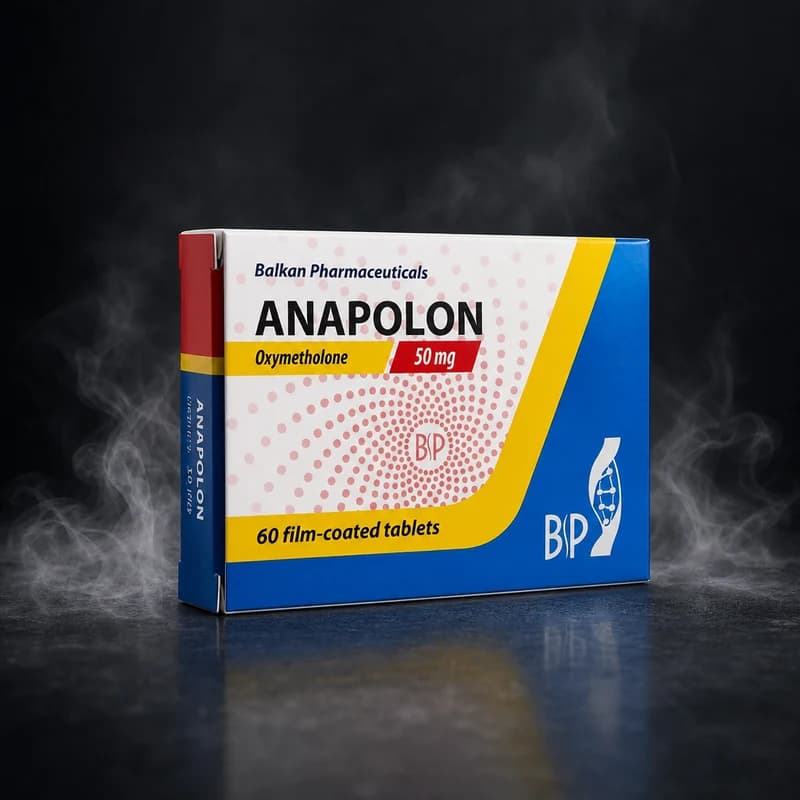
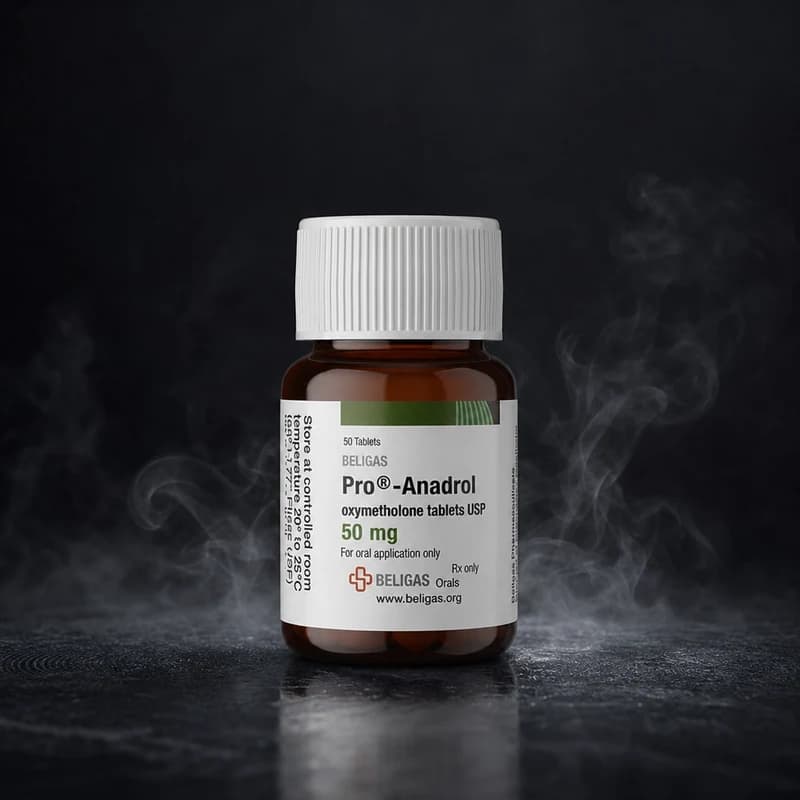
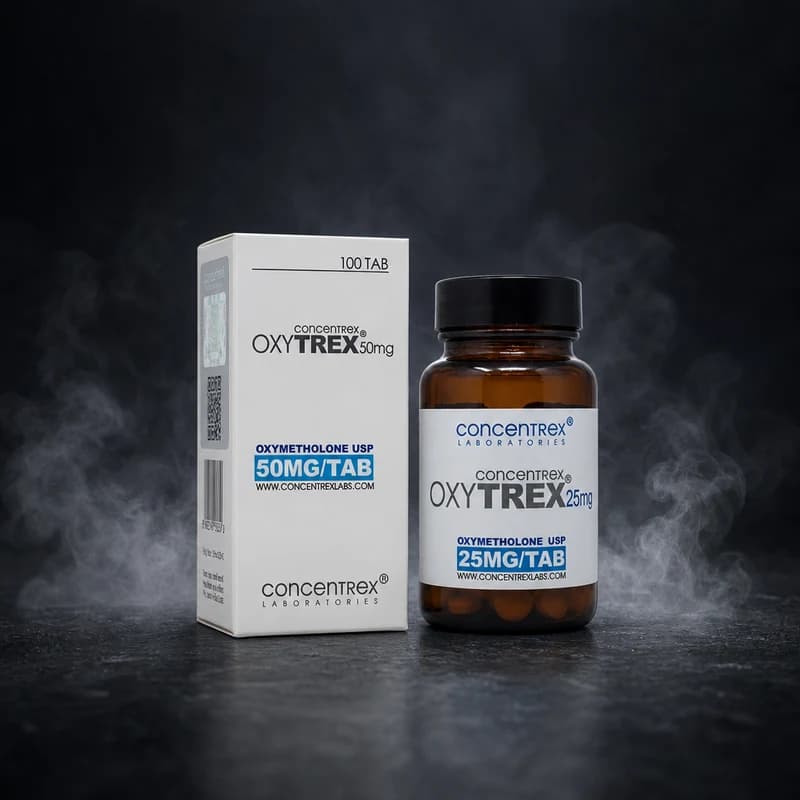
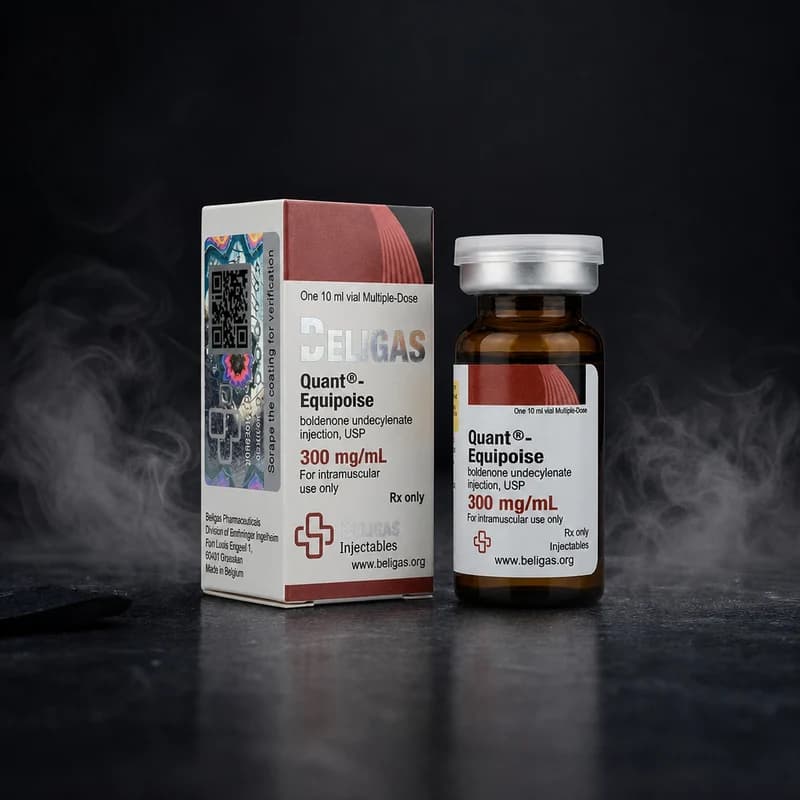
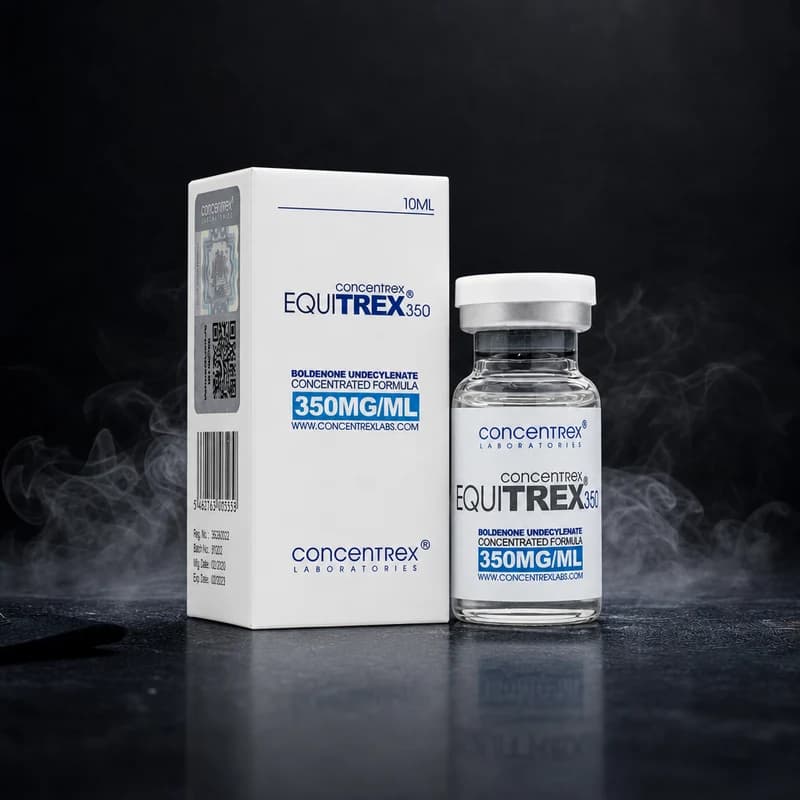
Contraindications: Oxymetholone is contraindicated in individuals with pre-existing hepatic impairment, elevated serum transaminases (ALT or AST exceeding three times the upper limit of normal at baseline), confirmed or suspected prostate or breast carcinoma, hypercalcaemia, nephrotic syndrome, or hypersensitivity to 17α-alkylated androgens. Women who are pregnant or planning pregnancy must not use this compound.
Side Effects: Hepatotoxicity is the primary dose-dependent risk, manifesting as elevated ALT, AST, and alkaline phosphatase; peliosis hepatis has been documented with prolonged use in clinical androgen literature. Androgenic effects include acne, accelerated scalp hair thinning in genetically predisposed individuals, and virilisation in female users. Cardiovascular effects — including HDL suppression and LDL elevation — are consistently observed across 17α-alkylated androgen use and require lipid monitoring. Water retention and increased red blood cell mass can elevate blood viscosity.
Monitoring: ALT and AST should be measured every two weeks during the active competition-prep cycle. Haematocrit must be monitored at cycle midpoint; values exceeding 54 % warrant immediate dose reassessment. Blood pressure checks at each monitoring visit are recommended given the compound's influence on fluid volume and red cell mass. Lipid panels should be repeated at cycle conclusion and at four weeks post-PCT.
PCT: A SERM-based post-cycle therapy — either tamoxifen (Nolvadex) at 20–40 mg daily or clomiphene (Clomid) at 50 mg daily for four weeks — should begin within 24–48 hours of the final oxymetholone tablet. Hepatic enzyme normalisation should be confirmed by a blood panel four weeks after cessation before initiating a subsequent androgen cycle.

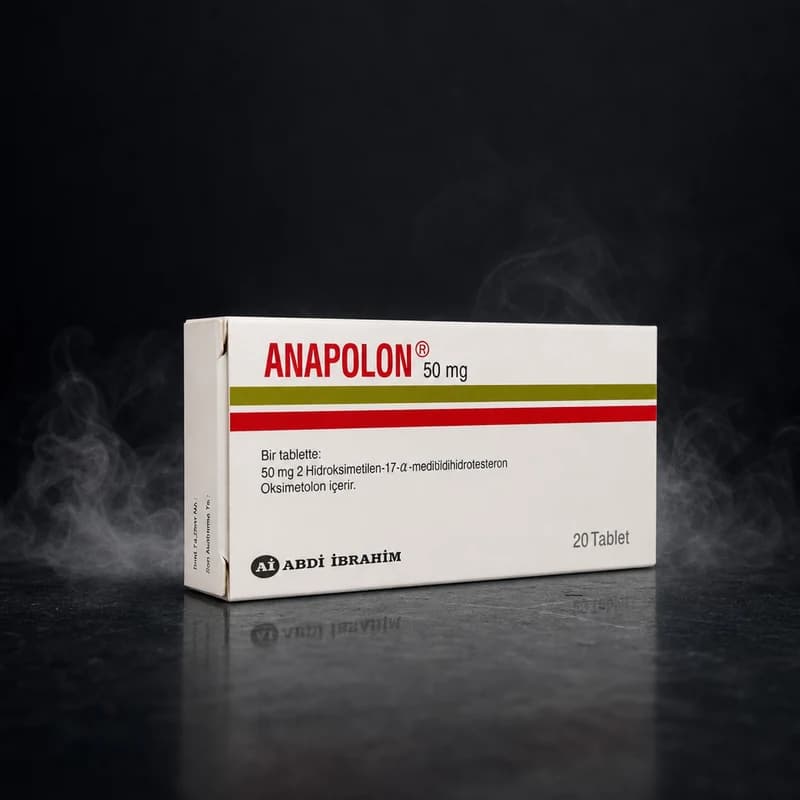 Lab Tested