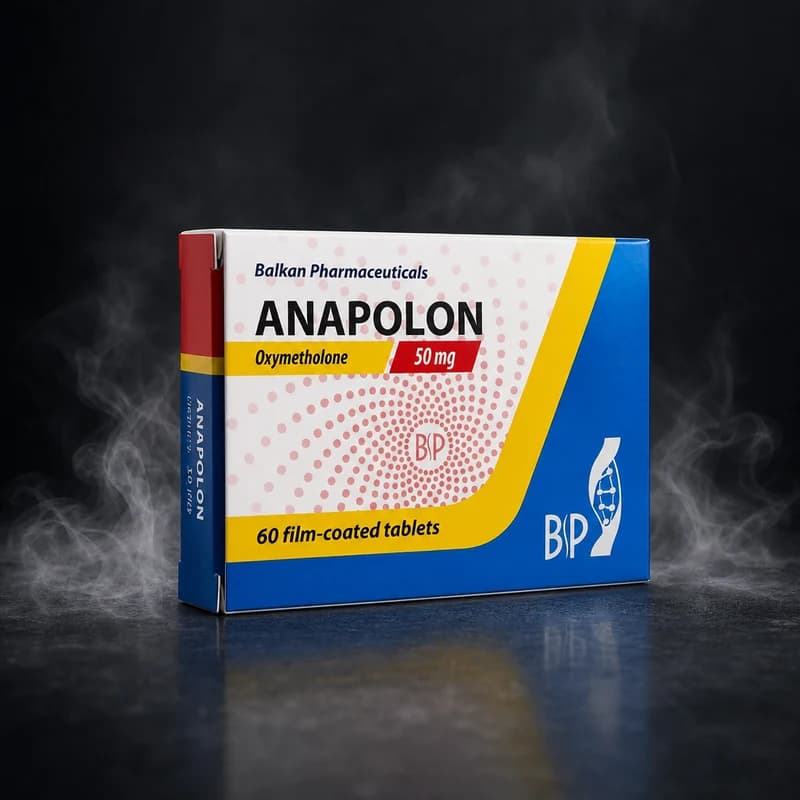
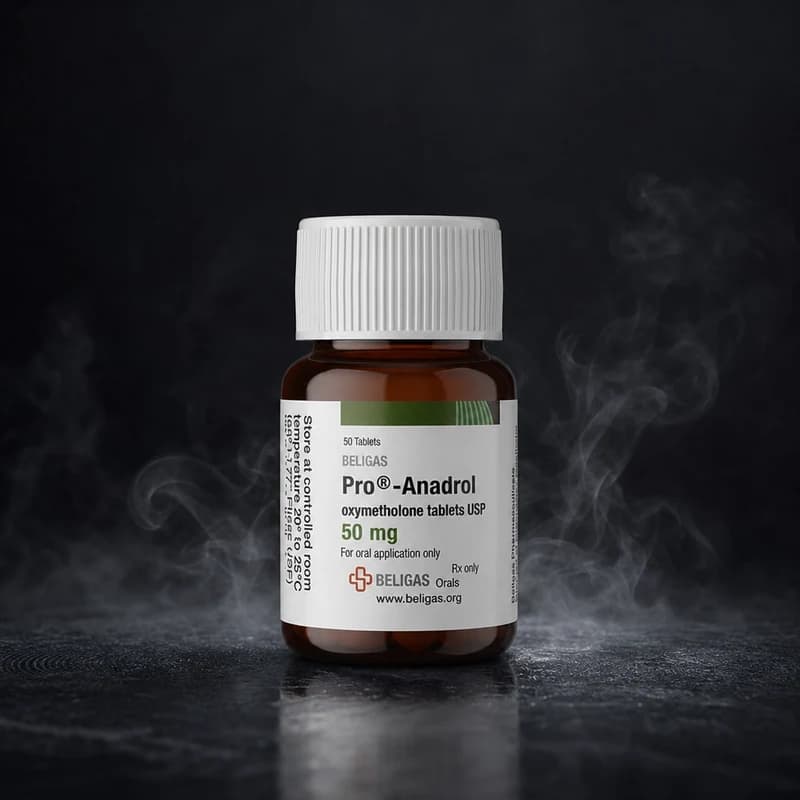
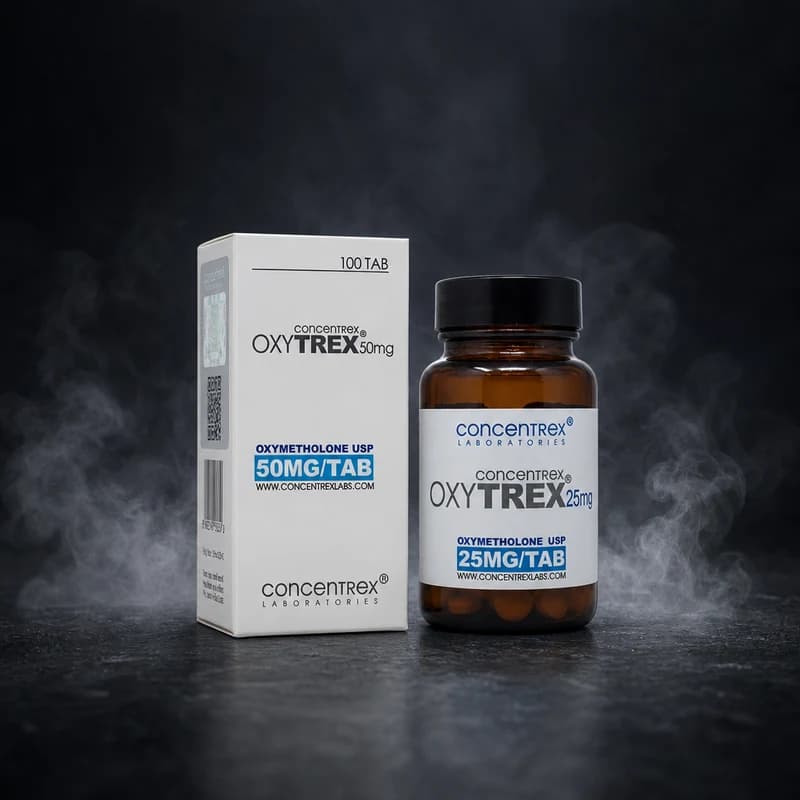
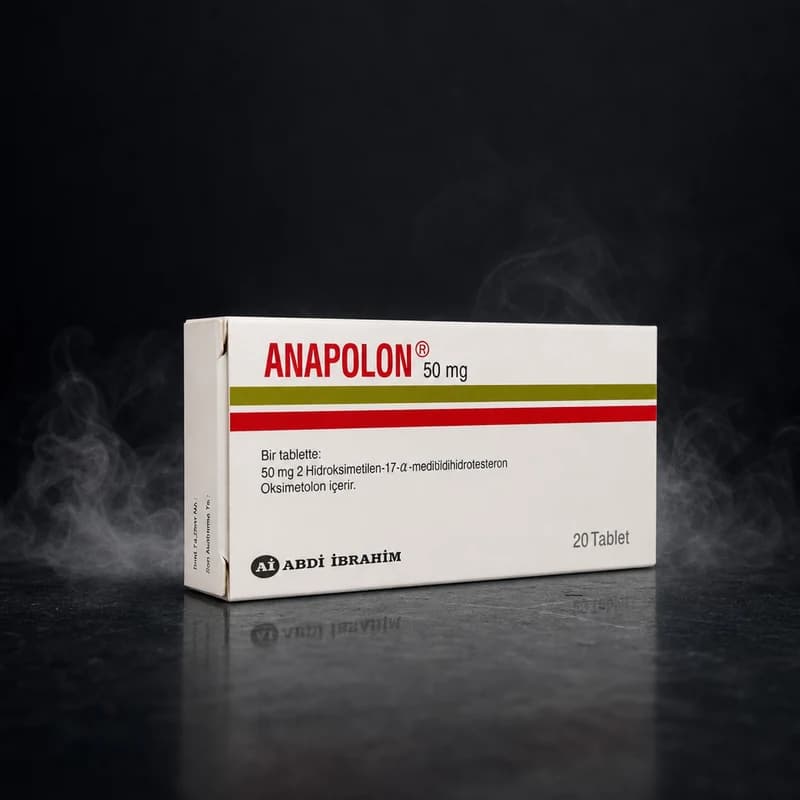
Contraindications: Oxymetholone is contraindicated in individuals with pre-existing hepatic impairment, active cardiovascular disease, prostate or breast carcinoma, or confirmed polycythaemia. Users over 40 with untreated hypertension or haematocrit above 50% at baseline should not initiate this compound until those parameters are managed. Concurrent use with other 17α-alkylated oral compounds is contraindicated regardless of age.
Side_Effects: Hepatotoxicity — measured as ALT and AST elevation — is the primary dose- and duration-dependent risk; older users carry a lower hepatic reserve margin than younger athletes. Haematocrit rise may accelerate blood viscosity, increasing cardiovascular workload in a population where cardiac output reserve is already age-reduced. Additional effects include HDL suppression, oedema, and potential exacerbation of benign prostatic hyperplasia in susceptible men over 50.
Monitoring: Blood panels must be drawn at baseline, at two weeks into the protocol, at cessation, and four weeks post-cessation. Parameters to track: ALT, AST, haematocrit, full blood count, lipid profile, and PSA for users over 50. Any ALT or AST reading exceeding twice the upper reference limit at the two-week check is a mandatory trigger for dose reduction, not an observation point. Haematocrit above 52% in users over 50 requires immediate dose reassessment.
PCT: Users integrating Oxymetholone into a supervised TRT protocol with continuous exogenous testosterone do not require traditional post-cycle therapy, as endogenous recovery is not the protocol goal. Users who have taken Oxymetholone outside a TRT framework — without a concurrent exogenous testosterone base — should initiate SERM-based recovery (Tamoxifen or Clomiphene) after a five-day clearance interval. Liver-support agents including TUDCA or UDCA are recommended throughout the active protocol and for four weeks post-cessation.

 Lab Tested