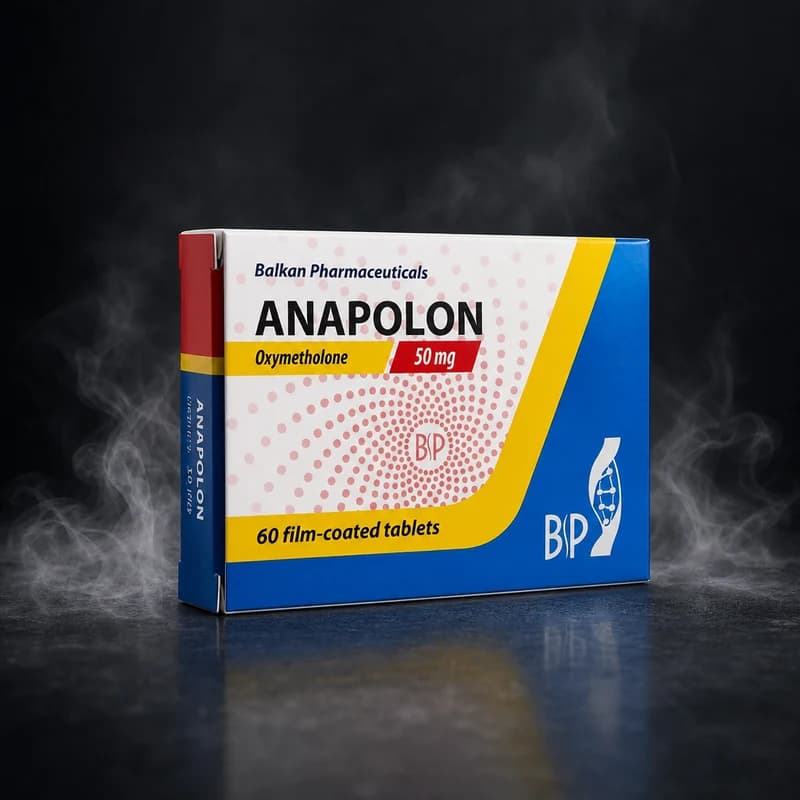
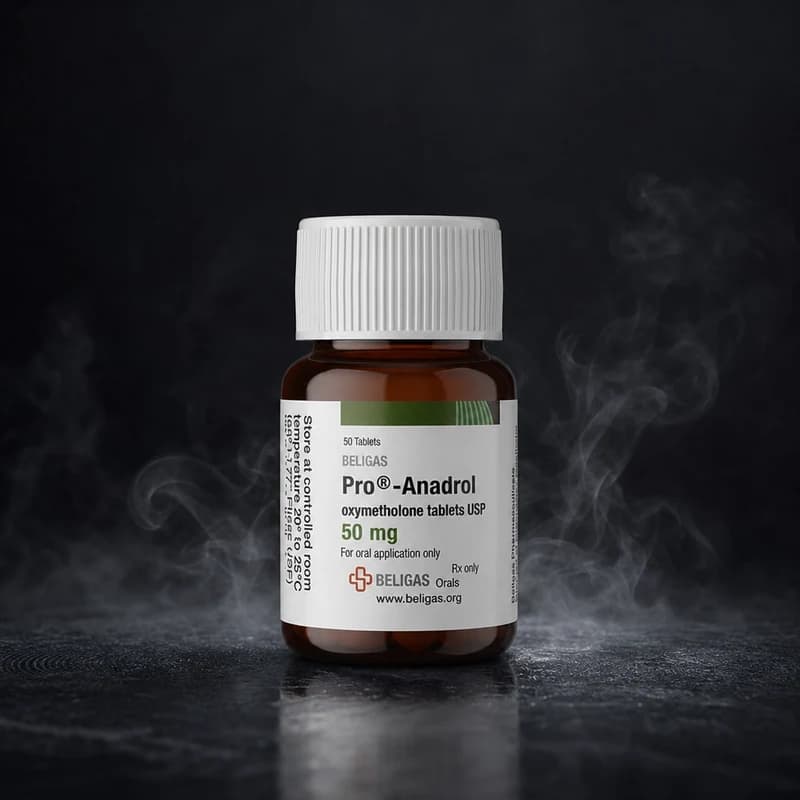
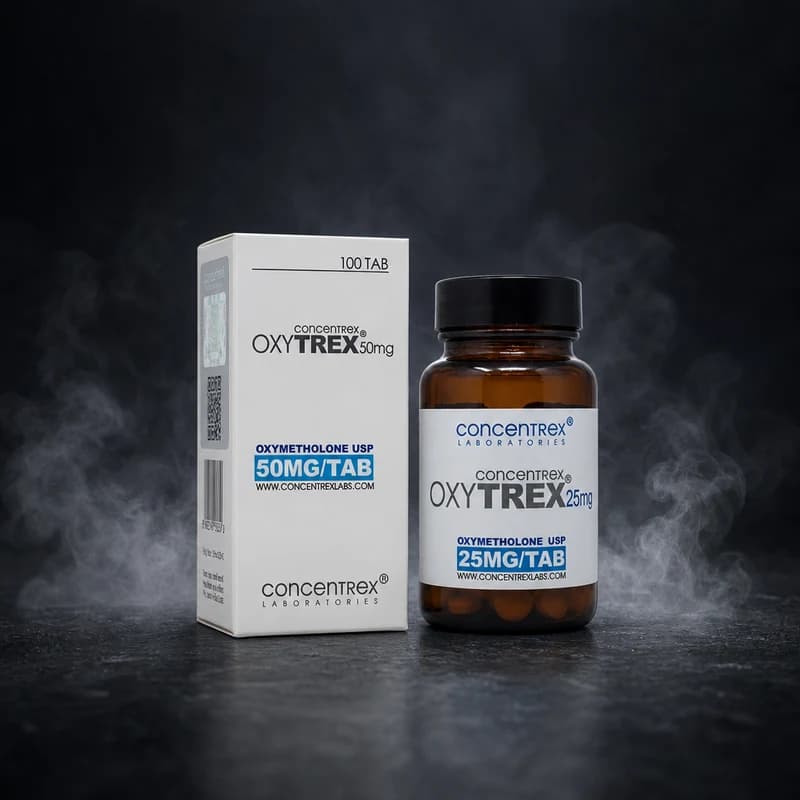
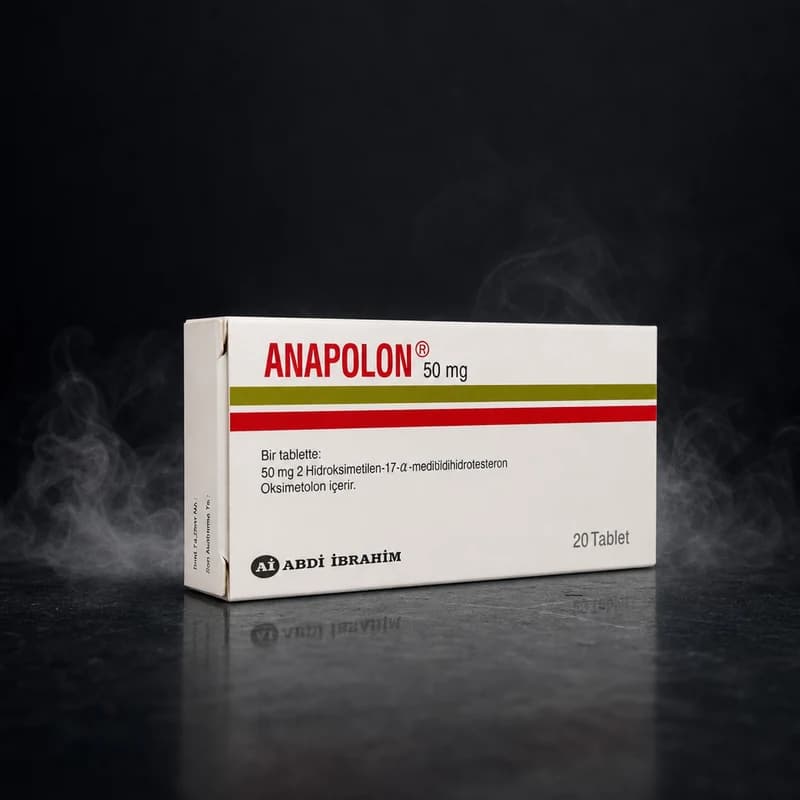
Contraindications: Oxymetholone is contraindicated in individuals with pre-existing hepatic impairment, elevated baseline ALT/AST, active cardiovascular disease, or haematocrit values at or above 50% before cycle entry. Concurrent use with other 17α-alkylated oral compounds adds cumulative hepatotoxic load and is not advised within an HGH-paired protocol or any other stack architecture.
Side_Effects: Reported adverse effects include rapid intracellular fluid accumulation, elevation of hepatic transaminases (ALT and AST), erythrocytosis with associated blood-viscosity increase, suppression of endogenous testosterone production, and lipid-profile disruption characterised by HDL reduction. The erythropoietic drive that makes Oxymetholone complementary to HGH also increases the haematocrit-related cardiovascular risk if not monitored.
Monitoring: ALT, AST, haematocrit, fasting lipid panel, and blood pressure should be measured at baseline, at the end of each four-week Oxymetholone block, and four weeks post-cessation. Within an HGH cycle, fasting glucose and serum IGF-1 should be tracked concurrently — HGH independently affects insulin sensitivity, and the combined protocol requires clear attribution of any abnormal glucose readings to the correct compound.
PCT: Oxymetholone produces significant suppression of the hypothalamic-pituitary-gonadal axis. If Oxymetholone is used outside a cruise-and-blast framework where endogenous recovery is the goal, a structured post-cycle therapy protocol using a SERM (e.g. tamoxifen or clomiphene) should commence within days of the final tablet. HGH itself does not directly restore HPG-axis function; PCT planning must account for the androgen suppression independently of the GH component.

 Lab Tested