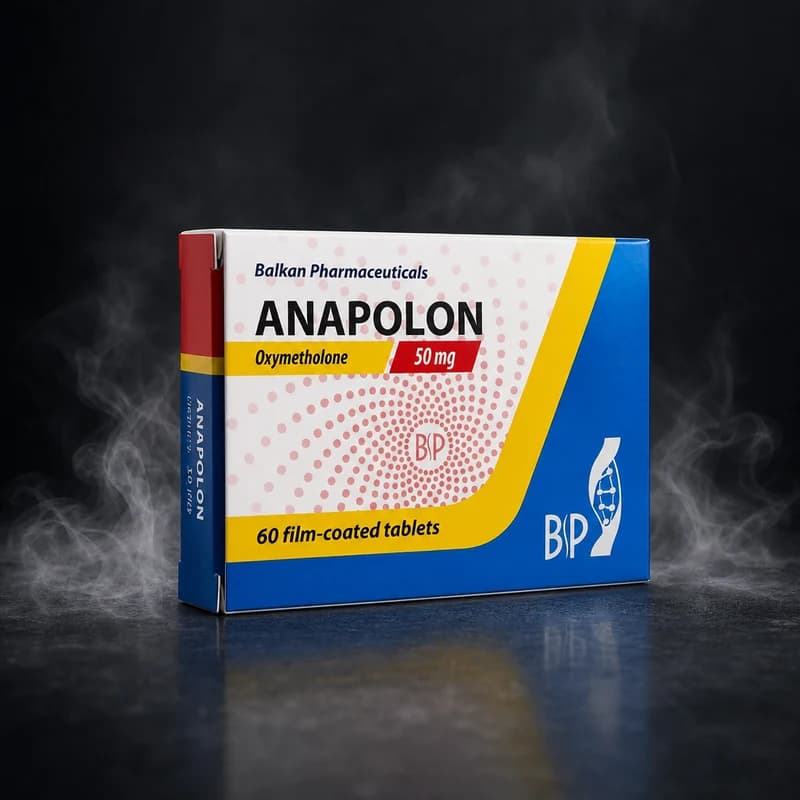
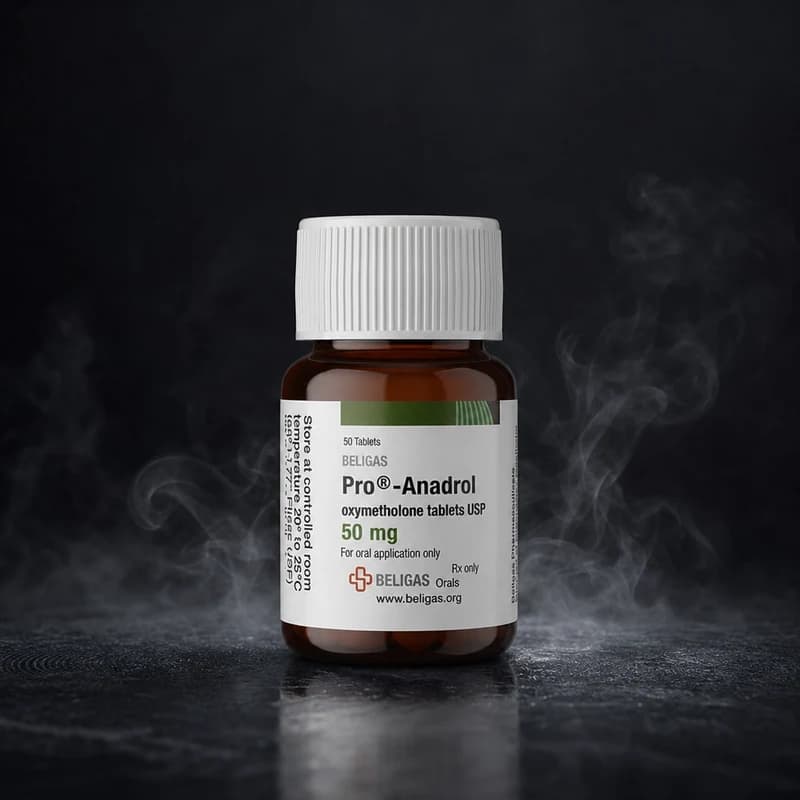
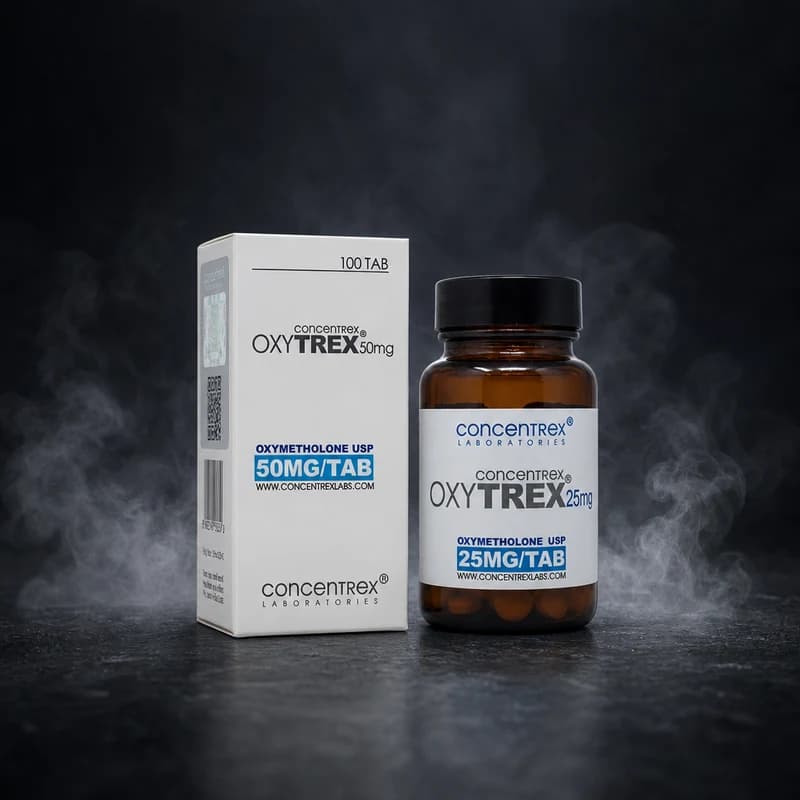
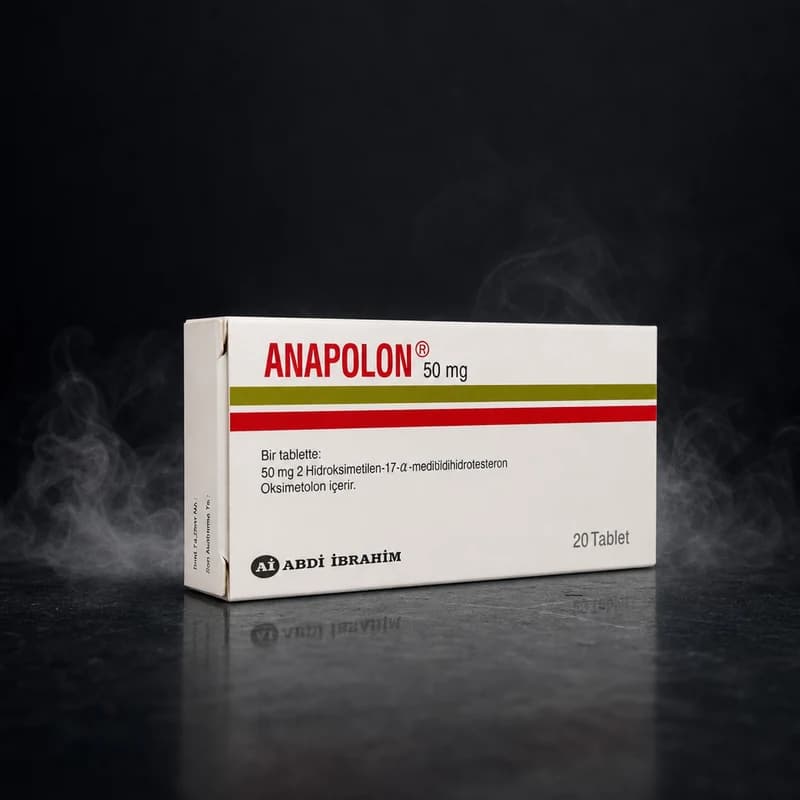
Contraindications: Do not use if you have existing hepatic impairment, carcinoma of the prostate or breast, hypercalcaemia, or known hypersensitivity to 17α-alkylated androgens. Oxymetholone is not indicated for women due to pronounced virilisation risk at any dose. Individuals with a history of polycythaemia should avoid use given Oxymetholone's documented erythropoietic activity.
Side Effects: Hepatotoxicity — including cholestatic jaundice and peliosis hepatis with prolonged exposure — represents the primary clinical concern and is directly dose- and duration-dependent; haematocrit elevation, oedema, mood disturbance, and suppression of endogenous testosterone production are consistently observed adverse effects. Lipid profile disruption — principally a reduction in HDL cholesterol — and progressive blood pressure elevation require active surveillance throughout the administration window.
Monitoring: Blood panels — including ALT, AST, total bilirubin, haematocrit, lipid profile and blood pressure — should be obtained at baseline, at the two-week mid-cycle gate, and within one week of cycle completion. Any clinically significant transaminase elevation exceeding three times the upper limit of normal constitutes a mandatory discontinuation criterion, not an indication for dose reduction alone.
PCT: Restoration of HPTA function after Oxymetholone use requires a structured SERM-based protocol. Tamoxifen at 20–40 mg per day or Clomiphene at 50 mg per day, initiated within three to five days of the final tablet, represents the established approach for recovering endogenous testosterone output following androgen-induced gonadal suppression.

 Lab Tested