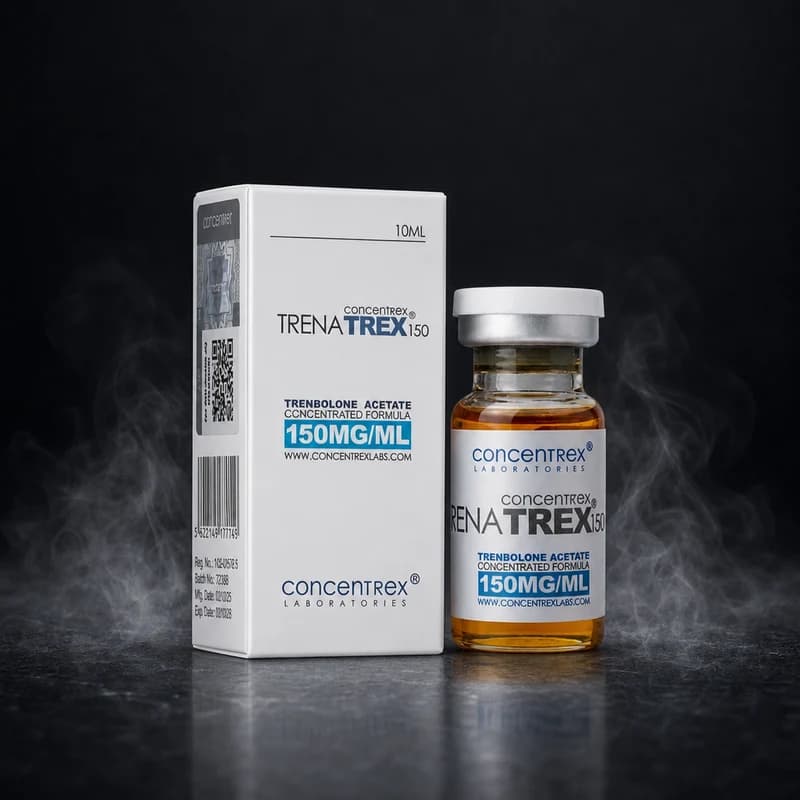
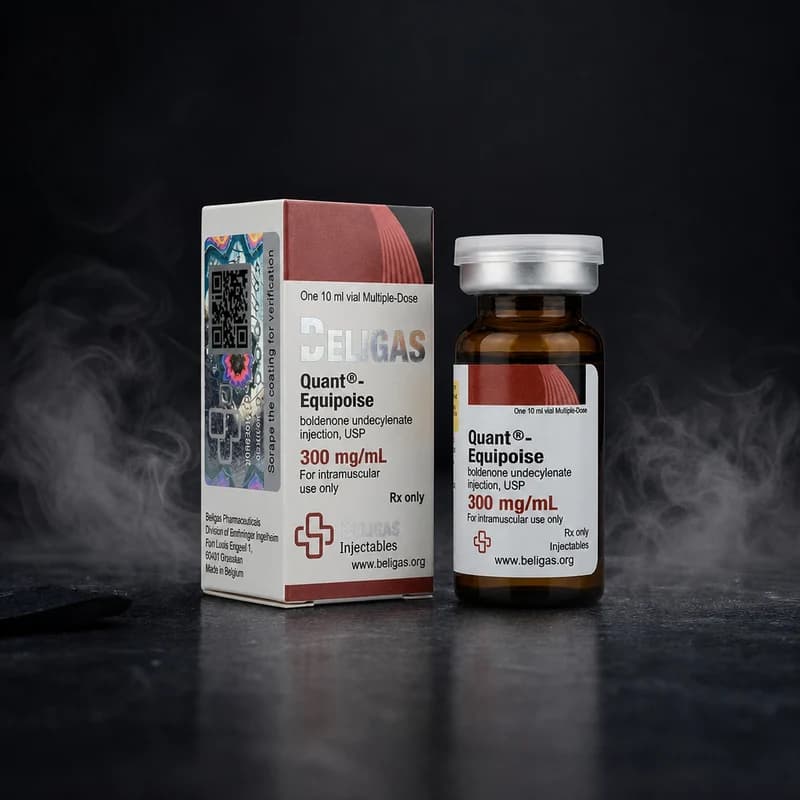
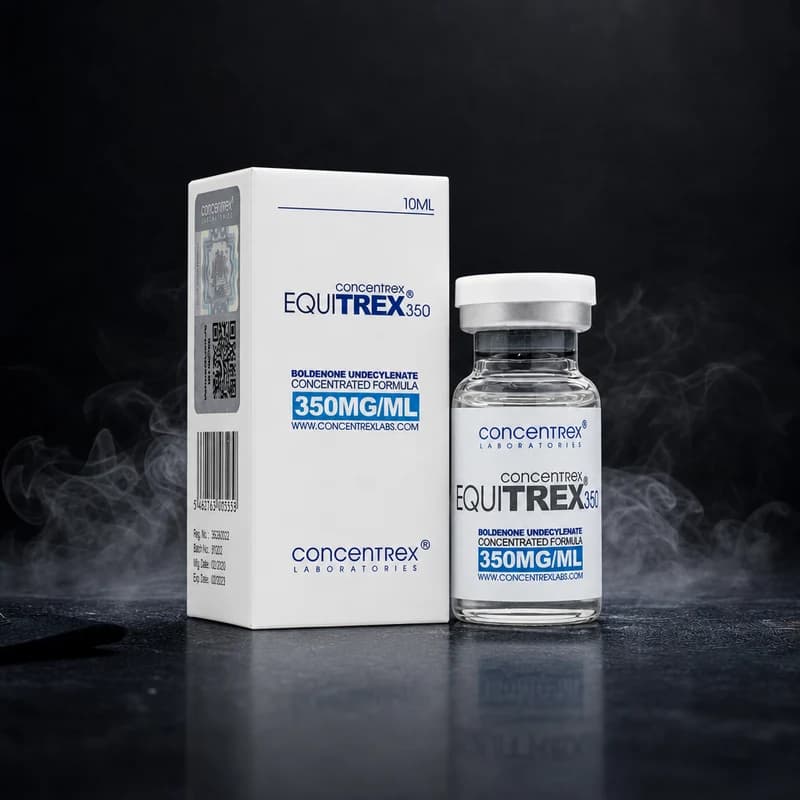
Contraindications: NordiTren A is contraindicated in individuals with prostate or breast carcinoma, severe cardiovascular disease, uncontrolled hypertension, hepatic impairment, or hypersensitivity to any formulation component. Women of childbearing potential and minors must not use this product. Blast-and-cruise protocols represent a form of continuous supraphysiological androgen exposure and are not appropriate for individuals with pre-existing lipid disorders or erythrocytosis.
Side_Effects: Androgenic side effects including acne, seborrhoea, accelerated scalp hair loss in genetically predisposed individuals, and voice deepening in females may occur. Trenbolone-specific effects — including increased perspiration, restlessness, and elevated resting heart rate — are commonly reported during blast phases and should be documented as cycle-phase markers. Haematocrit elevation is a dose-dependent risk during prolonged blast windows; blood donation or therapeutic phlebotomy may be required.
Monitoring: Full bloodwork including haematocrit, lipid panel (LDL, HDL), liver enzyme profile, PSA (in males over 40), and total testosterone should be obtained before initiating a blast, at the midpoint of the blast, and at the midpoint and end of every cruise phase. Blood pressure should be self-monitored at least twice weekly during active blast periods. Kidney function markers (creatinine, eGFR) should be assessed at minimum annually in individuals running repeated multi-compound blast cycles.
PCT: Athletes pursuing complete hormonal recovery rather than a cruise-and-re-blast strategy should initiate a standard PCT protocol once trenbolone acetate has cleared, typically beginning 5–7 days after the final injection given the ester's rapid clearance. SERM-based PCT (e.g., tamoxifen, clomiphene) for 4–6 weeks is standard; gonadotropin support (hCG) used during the blast's final weeks can reduce testicular suppression depth and shorten recovery timelines.

 Optimal Dosage