forgemax.FORGED. TESTED. PROVEN.
MGF 5mg/vial 1 Vial by Bio-Peptide
Lab Tested

MGF 5mg/vial 1 Vial by Bio-Peptide

4.5 (2 reviews)

Mechano Growth Factor (MGF) is a splice variant of IGF-1 that the body produces locally within mechanically stressed muscle tissue in direct response to resistance training, supplied here by Bio-Peptide as a lyophilised peptide at 5 mg per vial. Unlike systemic growth factors, MGF acts in a paracrine fashion — signalling satellite cells at the site of micro-damage to initiate the muscle repair and hypertrophy cascade. Batch release is subject to a two-stage analytical protocol: HPLC sequence verification and LAL endotoxin screening are completed by an independent contracted laboratory before any vial is labelled or shipped.

€32.00Free shipping on orders over €300
In stock
Ships within 48 h Lab-tested batch
  • Targets satellite-cell activation directly at mechanically damaged muscle sites for localised repair signalling
  • Delivers a research-grade native MGF E-domain peptide with independent HPLC-confirmed sequence identity
  • Convenient 5 mg single-vial format allows precise dose calculation when reconstituted in bacteriostatic water
  • Supports investigation of the paracrine IGF-1 splice mechanism distinct from systemic growth-factor pathways
  • LAL endotoxin-screened to injection-grade microbiological standards for research confidence
  • Enables timing-specific protocols aligned with the acute post-exercise satellite-cell responsiveness window
  • Produced under GMP-aligned conditions with batch documentation available at the point of release

Key takeaways

  • Time native MGF injections within 30 minutes of completing resistance training.
  • Distinguish MGF from systemic IGF-1 — it acts locally at the damage site.
  • Choose PEG-MGF for extended half-life; choose native MGF for acute post-workout signalling.
  • Reconstitute with bacteriostatic water and refrigerate; discard after 28 days.
  • Verify every batch: Bio-Peptide's MGF clears independent HPLC and LAL endotoxin testing.

What Mechano Growth Factor Is and Why It Differs From Systemic IGF-1

Mechano Growth Factor is the exercise-induced IGF-1 splice isoform that acts locally within mechanically loaded skeletal muscle rather than circulating systemically — making it a site-specific signal for satellite-cell activation and muscle repair. When eccentric or resistance exercise creates sarcomeric micro-damage, myocytes splice the IGF-1 pre-mRNA to produce the MGF E-domain peptide, which then diffuses to neighbouring muscle stem cells and triggers their proliferative response. MGF initiates satellite-cell activation independently of the systemic IGF-1/IGF-1R pathway, a distinction confirmed by in-vitro splice-inhibition studies. Compared to unmodified IGF-1 LR3, native MGF has a shorter circulatory half-life (estimated under 30 minutes in plasma), which restricts its window of action unless administration is timed precisely post-exercise.

PEGylation: Extending MGF's Biological Window

PEGylated MGF (PEG-MGF) is the chemically modified long-acting form in which polyethylene glycol chains are covalently attached to the MGF E-domain peptide, extending plasma half-life from under 30 minutes to an estimated 48–72 hours according to pharmacokinetic modelling published in peptide-biology literature. PEGylation sterically shields the peptide backbone from rapid proteolytic degradation without eliminating receptor-binding activity. Because of this extended window, PEG-MGF does not require the immediate post-workout timing that native MGF demands — an important operational difference for research protocols. Bio-Peptide's 5 mg MGF vial contains the native (non-PEGylated) isoform, meaning timing relative to mechanical stimulus is a central protocol variable.

Mechanism: Satellite-Cell Recruitment and Muscle Repair

MGF recruits quiescent satellite cells and stimulates their entry into the cell cycle. The MGF E-domain peptide binds a receptor distinct from the IGF-1R, activating downstream PI3K/Akt and MAPK/ERK signalling branches that regulate myoblast proliferation and differentiation. Three core semantic relationships define its biology: MGF activates satellite cells at the site of mechanical damage; satellite-cell proliferation precedes myonuclear accretion in hypertrophying muscle; and the MGF signal declines as tissue repair progresses, creating a self-limiting repair window. These dynamics mean that exogenous MGF administration is hypothesised to extend or amplify the endogenous repair signal beyond what exercise alone produces.

Bio-Peptide Quality and Analytical Standards

Every MGF batch produced by Bio-Peptide is verified through independent HPLC (High-Performance Liquid Chromatography) analysis confirming peptide sequence identity and purity, alongside a LAL (Limulus Amebocyte Lysate) endotoxin assay certifying injection-grade microbiological safety. Both tests are externally commissioned, and batch-specific documentation accompanies each release — consistent with GMP-aligned manufacturing standards for research-grade peptides.

Usage

  1. Allow the Bio-Peptide MGF vial to reach room temperature before handling — do not inject cold lyophilised or reconstituted peptide.
  2. Using a sterile 1 mL insulin syringe, draw 1–2 mL of bacteriostatic water and inject it slowly down the inner wall of the vial; swirl gently (never shake) until the powder is fully dissolved.
  3. Calculate your target dose volume: for a 5 mg vial reconstituted in 1 mL, every 0.1 mL equals 0.5 mg (500 mcg); adjust the reconstitution volume to the dose precision you need.
  4. Draw the calculated volume with a fresh insulin syringe immediately after your resistance-training session — the post-exercise window for satellite-cell responsiveness is short with native MGF.
  5. Administer via intramuscular injection into the trained muscle group, or subcutaneously near the worked area; rotate injection sites between sessions to minimise localised irritation.
  6. Seal the reconstituted vial, store upright in a refrigerator at 2–8 °C away from light, and discard any unused solution after 28 days or immediately if the solution appears cloudy or contains visible particles.

Warnings

Contraindications: MGF is a research peptide not approved for human therapeutic use by any regulatory authority. It is contraindicated in individuals with active or suspected neoplastic disease, given that satellite-cell proliferative signalling could theoretically promote tumour-cell growth. Do not use during pregnancy, lactation, or in individuals under 18 years of age.

Side Effects: Reported observations in research contexts include transient injection-site hypersensitivity, local oedema, or redness. Because MGF activates PI3K/Akt signalling, theoretical risks include hypoglycaemia-adjacent metabolic effects; monitor blood glucose in susceptible individuals. Systemic inflammatory responses are possible if endotoxin contamination thresholds are exceeded — use only LAL-tested batches.

Monitoring: Baseline and periodic assessment of IGF-1 serum levels, fasting glucose, and insulin sensitivity markers is advisable during any MGF research protocol. Liver function and renal function panels provide additional safety data, particularly in prolonged-cycle contexts. Track injection-site reactions after each administration.

PCT: Native MGF does not directly suppress the hypothalamic-pituitary-gonadal (HPG) axis and therefore does not require standard SERM-based post-cycle therapy. However, if MGF is used alongside anabolic compounds that do suppress endogenous testosterone production, a full PCT appropriate to those compounds is necessary. Cycling MGF off for a period equal to the research cycle duration is recommended to prevent satellite-cell desensitisation.

Frequently asked questions

What exactly is Mechano Growth Factor and how does it differ from regular IGF-1?
Mechano Growth Factor is a locally acting splice variant of IGF-1 produced specifically in mechanically stressed muscle fibres, not the systemic liver-derived IGF-1 that circulates throughout the body. Its E-domain peptide signals satellite cells at the site of micro-damage, driving localised repair and hypertrophy rather than whole-body anabolic effects. This paracrine, tissue-specific mechanism is what distinguishes MGF from conventional IGF-1 isoforms.
When is the optimal window to inject native MGF after a training session?
Native MGF's estimated plasma half-life is under 30 minutes, so research protocols typically target administration within 15–30 minutes post-workout to coincide with the peak window of satellite-cell activation triggered by mechanical damage. Delayed injection beyond one hour may fall outside the period of maximal satellite-cell responsiveness to the MGF E-domain signal, reducing the hypothesised amplification effect on endogenous repair.
What does PEGylation do to MGF and why does it matter for dosing schedules?
PEGylation attaches polyethylene glycol chains to the MGF peptide backbone, shielding it from proteolytic breakdown and extending plasma half-life from under 30 minutes to an estimated 48–72 hours. This dramatically changes dosing logistics: PEG-MGF can be injected less frequently and does not demand the same strict post-workout timing that native MGF requires, making it more practical for protocols where precise injection windows are difficult to maintain.
How do you reconstitute a Bio-Peptide MGF 5mg vial and store it correctly?
Add bacteriostatic water (typically 1–2 mL) slowly down the inside wall of the vial — never shake; swirl gently until the lyophilised powder dissolves completely. Once reconstituted, store the vial upright in a refrigerator at 2–8 °C, away from light. Use within 28 days of reconstitution. Discard any remaining solution showing cloudiness or particulate matter.
What syringe type is recommended for injecting reconstituted MGF and why?
Insulin syringes (typically 28–31 gauge, 0.5 mL or 1 mL capacity) are the standard choice for reconstituted MGF because their fine gauge minimises injection-site trauma and allows precise small-volume measurements. For a 5 mg vial reconstituted in 1 mL of bacteriostatic water, each 0.1 mL drawn equals 0.5 mg — simplifying dose calculation. Intramuscular or subcutaneous injection sites should be rotated to avoid localised irritation. (2) angle_used

Manufacturer

Bio-Peptide's commercial identity was constructed around a constraint that is easier to describe than to sustain at scale: every compound the company releases — irrespective of molecular complexity — must clear two externally commissioned analytical tests before the product is eligible for labelling or distribution. That constraint was not adopted in response to market pressure; it was embedded as a structural prerequisite before the company entered commercial operation. For MGF, a short-chain splice-variant peptide whose sequence fidelity is critical to its proposed mechanism of action, that two-checkpoint framework carries particular weight. The first checkpoint is an HPLC (High-Performance Liquid Chromatography) analysis commissioned from an independent third-party laboratory — tasked specifically with confirming that the MGF E-domain peptide sequence matches the specified structure and that purity levels meet release thresholds. The second checkpoint is a LAL (Limulus Amebocyte Lysate) endotoxin assay, which certifies that microbiological contamination is within injection-grade limits. Both results are documented per batch, and that documentation travels with the product through distribution. GMP-aligned manufacturing conditions govern the upstream production environment in which these vials are prepared — meaning the two external tests are the final gate of a quality architecture, not a patch applied to an otherwise uncontrolled process.

Product details

BrandBio-Peptide
Active ingredientmgf
Also known asMGF, Mechano Growth Factor, Bio-Peptide MGF
Strength5 mg
FormVial
Pack size1 piece
Item numberPEPT-MGF-BIO-001

Reviews

4.5/5

2 reviews

  • Rating: 5 out of 5 starsphysique46Verified purchase

    Solid gains, no complaints

    Running MGF at 200mcg post-workout bilaterally for 6 weeks alongside a test-e base. Strength shot up noticeably by week 3 and the localised fullness in my chest and arms was real. No PIP worth mentioning, reconstituted clean, shipped in about 5 days. Bloodwork stayed clean throughout. Genuinely impressed with this one...

  • Rating: 4 out of 5 starsice56Verified purchase

    Good product, minor gripe

    200mcg per site after training, 8 week run. Results were solid, arms came up a good inch over the cycle. Only knocked a star off because the first couple of injections had noticeable PIP, settled down after week 1 though. Product itself seems legit, will reorder.

Write a review

Your rating *

Your review will be checked before publication.

Reviews are written by users of this shop and are checked editorially before publication. Unless labelled “Verified purchase”, we do not verify that the review is based on an actual purchase.

Similar products

MGFPharma Grade

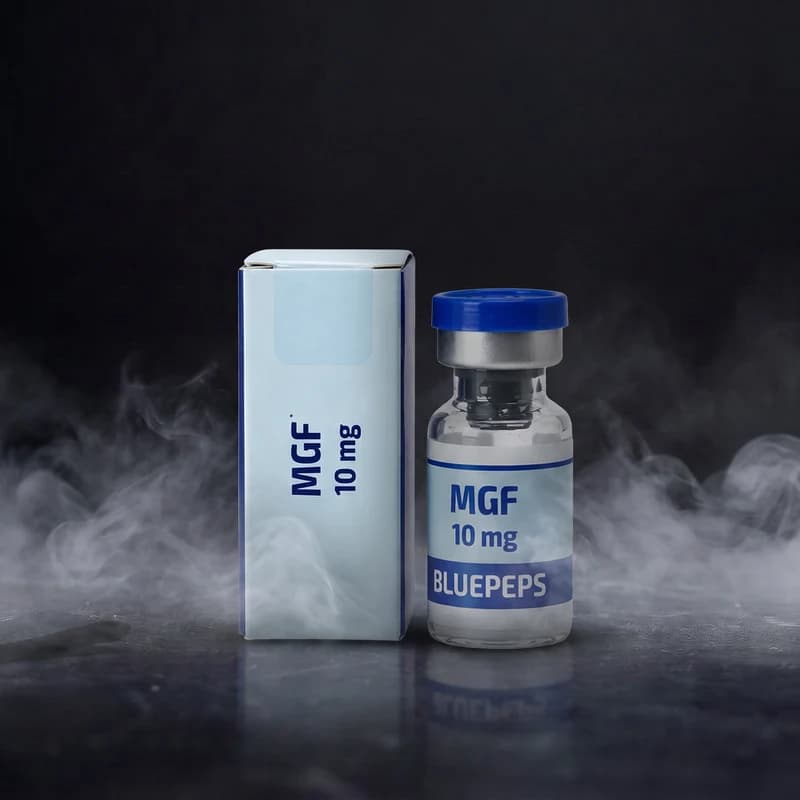
MGF 10mg/vial 1 Vial by Bluepeps

€50.00
MGFBatch Tested

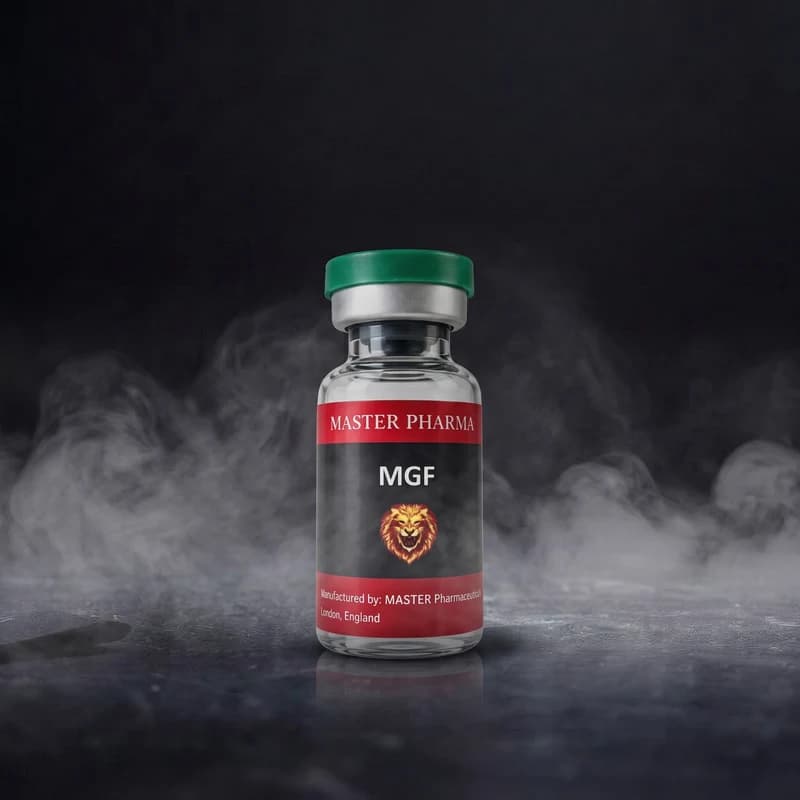
MGF 2mg/vial 1 Vial by Master Pharma

€30.00

Stack it with

Pairs well with these products.

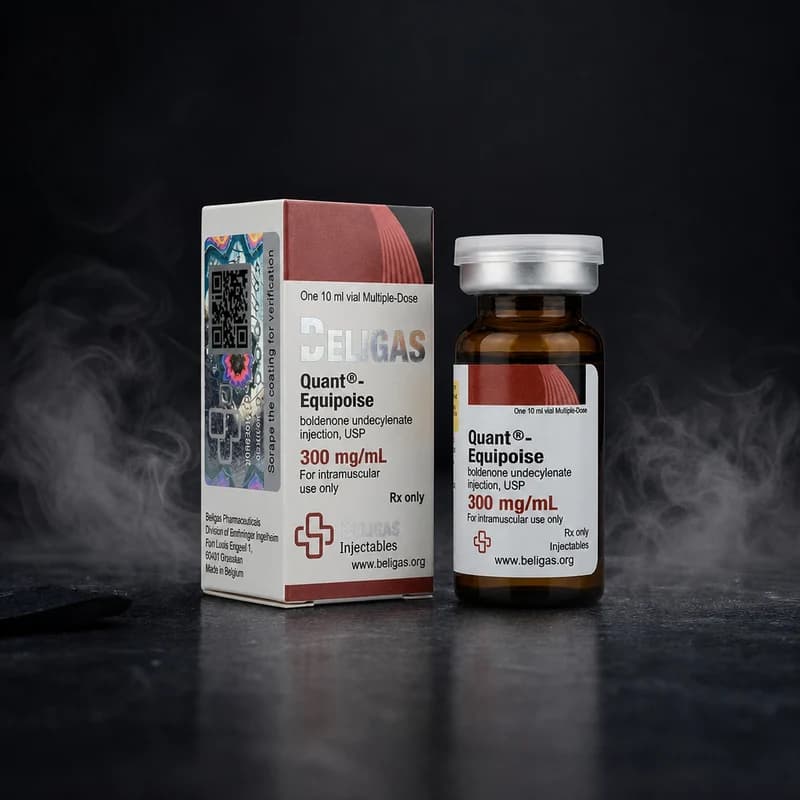
Quant-Equipoise 300mg/ml 10ml Vial by Beligas PharmaceuticalsHigh Concentration

Quant-Equipoise 300mg/ml 10ml Vial by Beligas Pharmaceuticals

€47.00
Bolden-250 250mg/ml 10x1ml Ampoules by BM PharmaceuticalsLong-Acting Formula

Bolden-250 250mg/ml 10x1ml Ampullen by BM Pharmaceuticals

€48.00
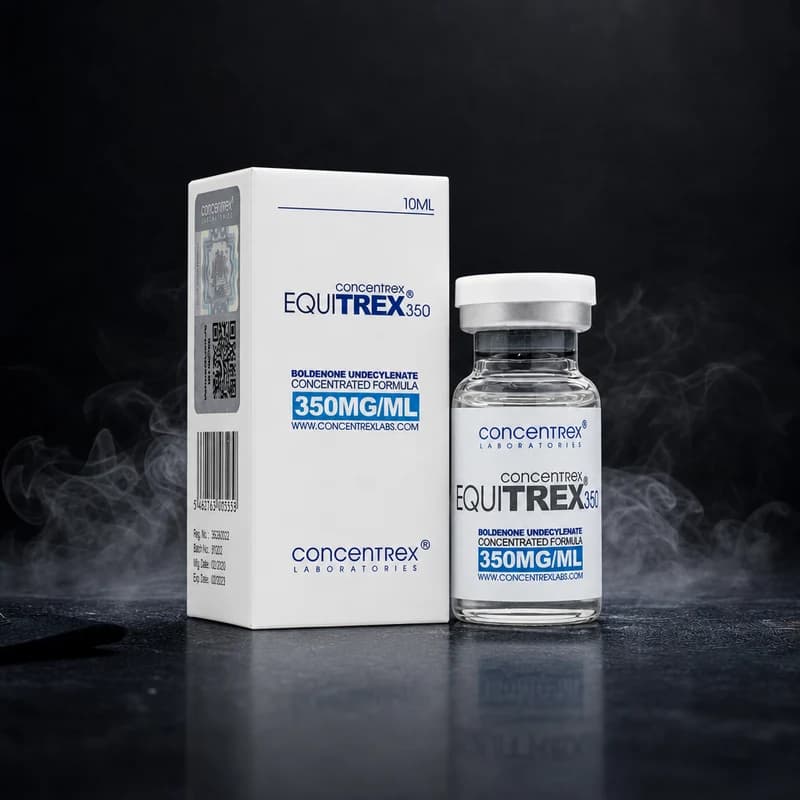
EquiTrex 350mg/ml 10ml Vial by Concentrex LabsBrand Quality

EquiTrex 350mg/ml 10ml Vial by Concentrex Labs

€52.00
EQ 300 300mg/ml 10ml Vial by Dragon-PharmaPro Choice

EQ 300 300mg/ml 10ml Vial by Dragon-Pharma

€44.00