MGF as a PCT and Bridge Peptide: Keeping Muscle While the Axis Recovers
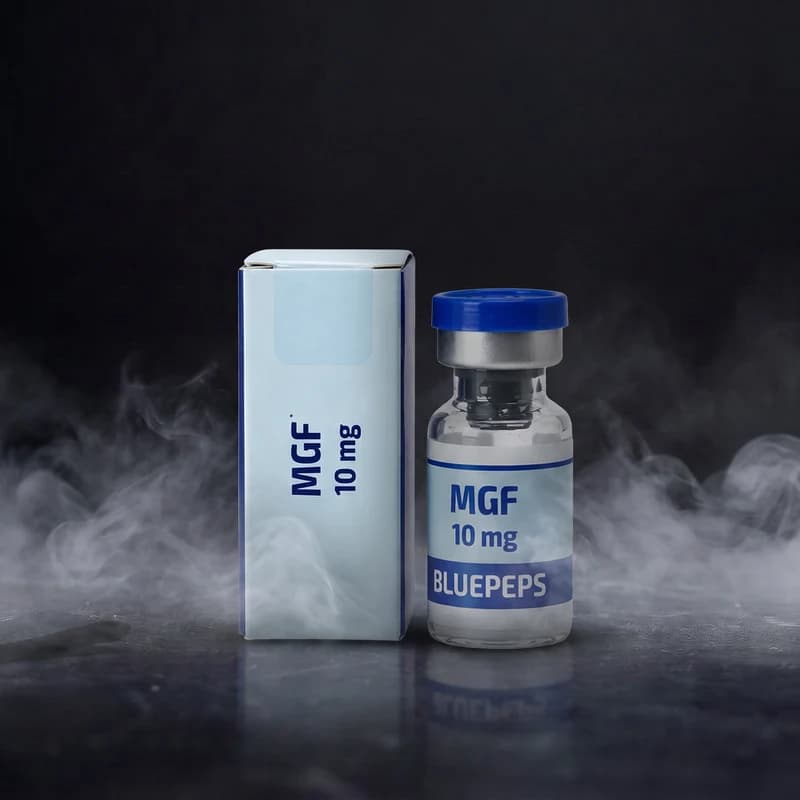
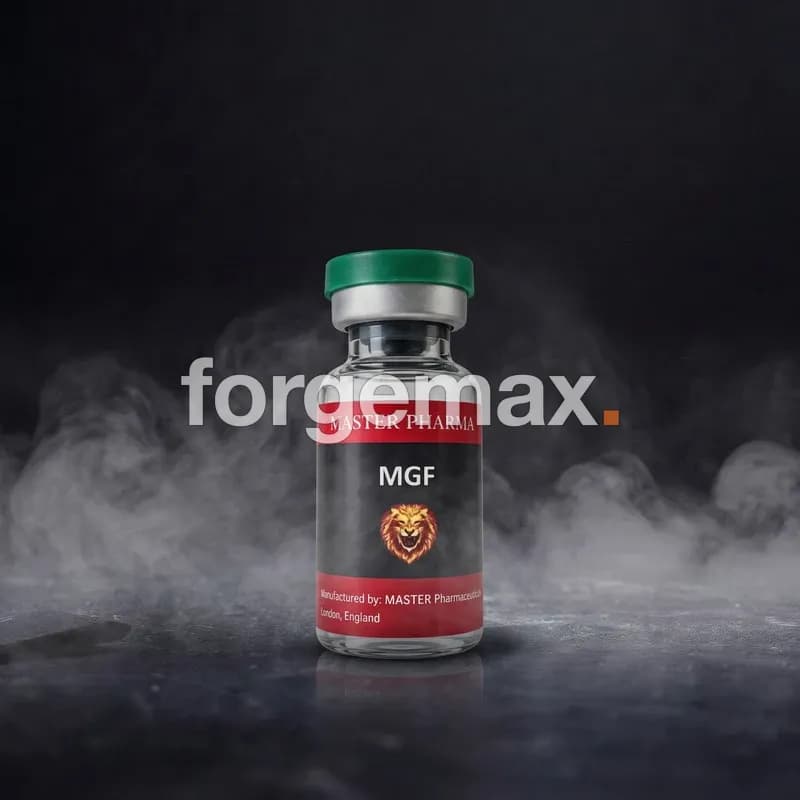
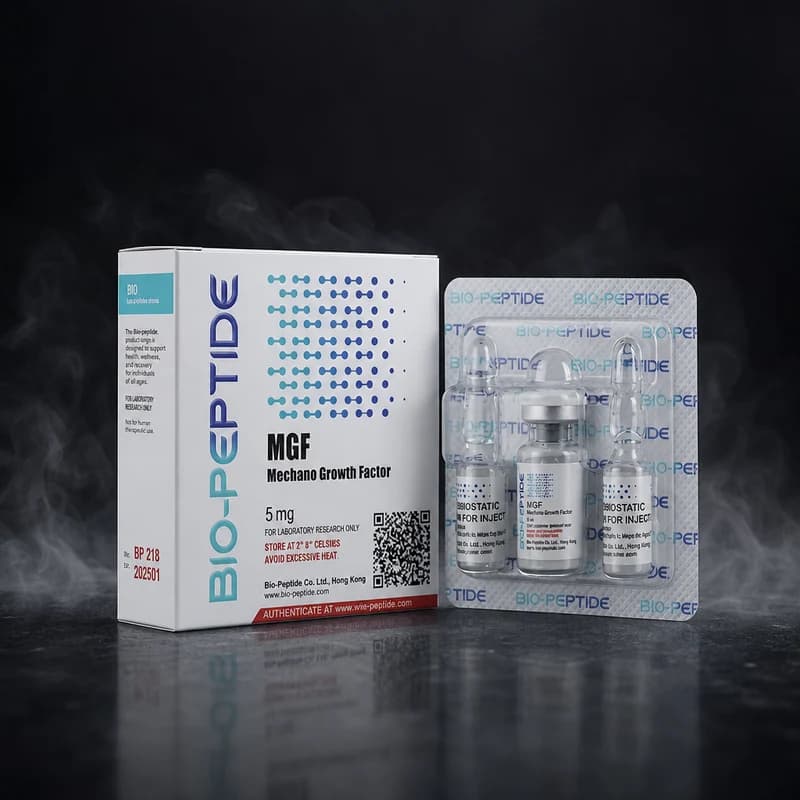
Master Pharma MGF is a locally acting myogenic peptide derived from the IGF-1 gene's alternative splicing pathway, supplied as a 2mg lyophilised vial designed specifically for athletes who need anabolic tissue support during the endocrinologically vulnerable window between cycles. The core strategic value during PCT is straightforward: MGF promotes satellite-cell recruitment and muscle-fibre repair without binding androgen receptors or triggering gonadotropin suppression — verified across published receptor-binding assays conducted with recombinant human MGF analogues. Compared to continuing low-dose androgens as a bridge, which inevitably delay HPG axis normalisation, MGF provides a hormonally neutral anabolic signal that can be run concurrently with SERMs such as tamoxifen or clomiphene without pharmacological conflict.
Muscle Retention and Joint Support in the Off-Cycle Period
Muscle catabolism accelerates sharply in the weeks following cycle cessation as circulating androgens decline; MGF counters this by stimulating local IGF-1Ea-independent satellite-cell proliferation, reducing net protein breakdown in mechanically loaded tissue. MGF activates satellite cells at sites of micro-tension, meaning resistance training during PCT amplifies the peptide's localised effect — a session-dependent mechanism that rewards continued training rather than punishing reduced hormone levels. Joint connective tissue also benefits indirectly: satellite-cell driven repair of periarticular muscle reduces compensatory mechanical load on tendons and cartilage, a clinically relevant consideration given that joint discomfort is among the most commonly reported PCT-phase complaints. At 2mg per vial — the lowest concentration tier in this product group — dosing flexibility is inherently conservative, supporting gradual titration appropriate for a recovery phase.
Analytical Standards: Batch Tested Quality Documentation
Every Master Pharma MGF vial is released against a documented analytical checklist: HPLC potency confirmation against the 2mg label declaration, LAL endotoxin testing to parenteral acceptance limits, and visual inspection of the lyophilised cake for integrity and reconstitution behaviour. Batch Tested status means lot-specific data — not category-level assertions — underpin each release decision. The lyophilisation process is conducted under classified cleanroom conditions, with residual moisture targets validated to protect peptide secondary structure across the stated shelf-life.
 Lab Tested