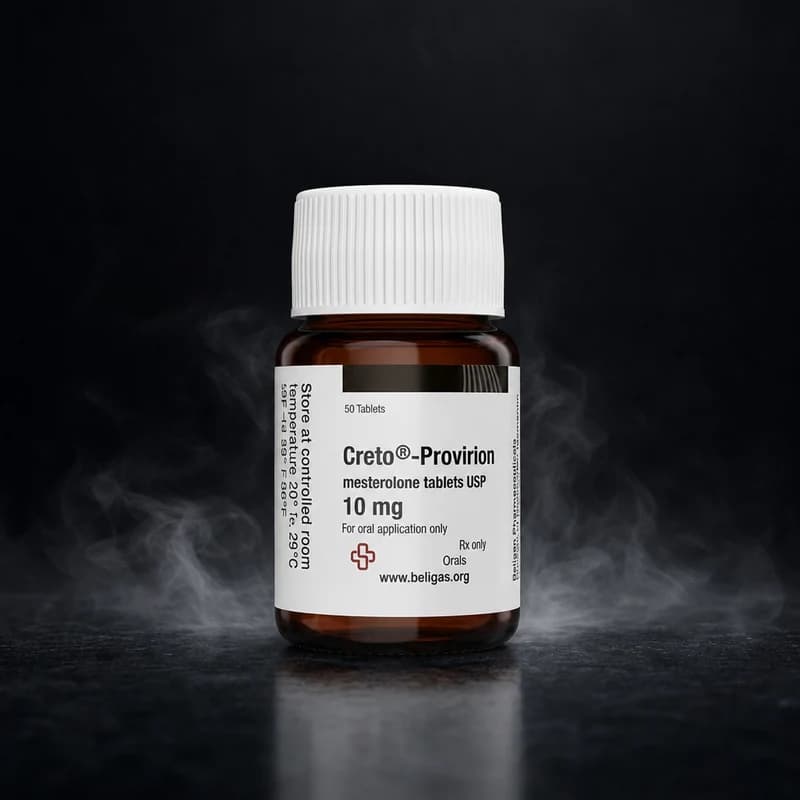
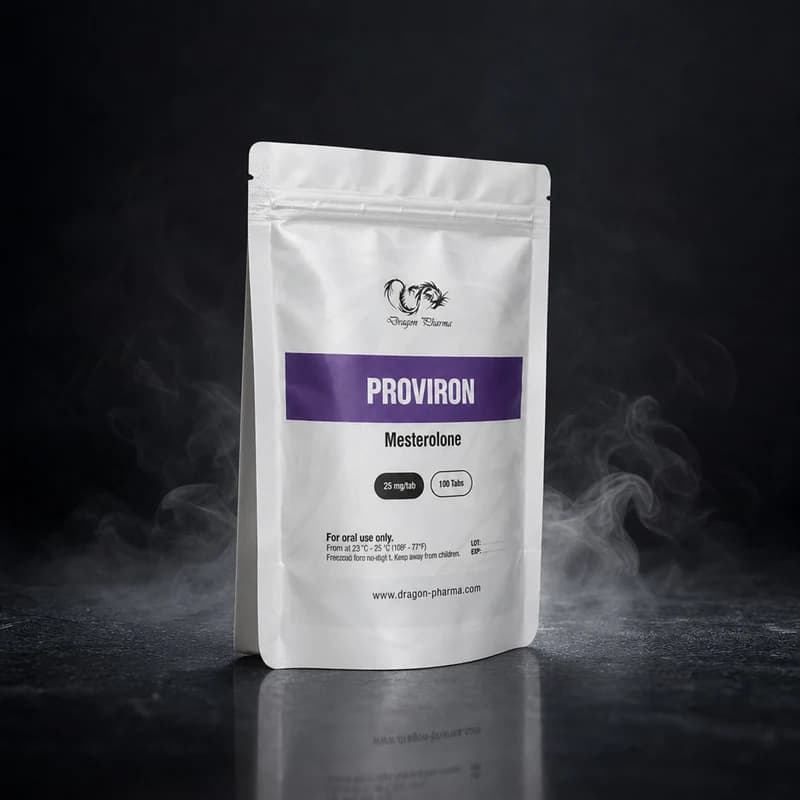
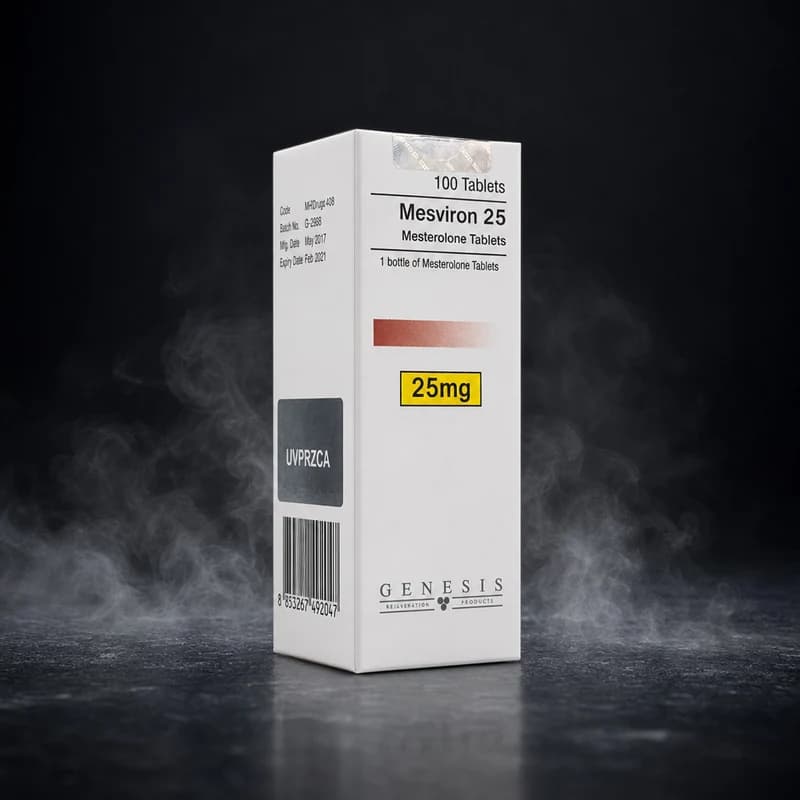
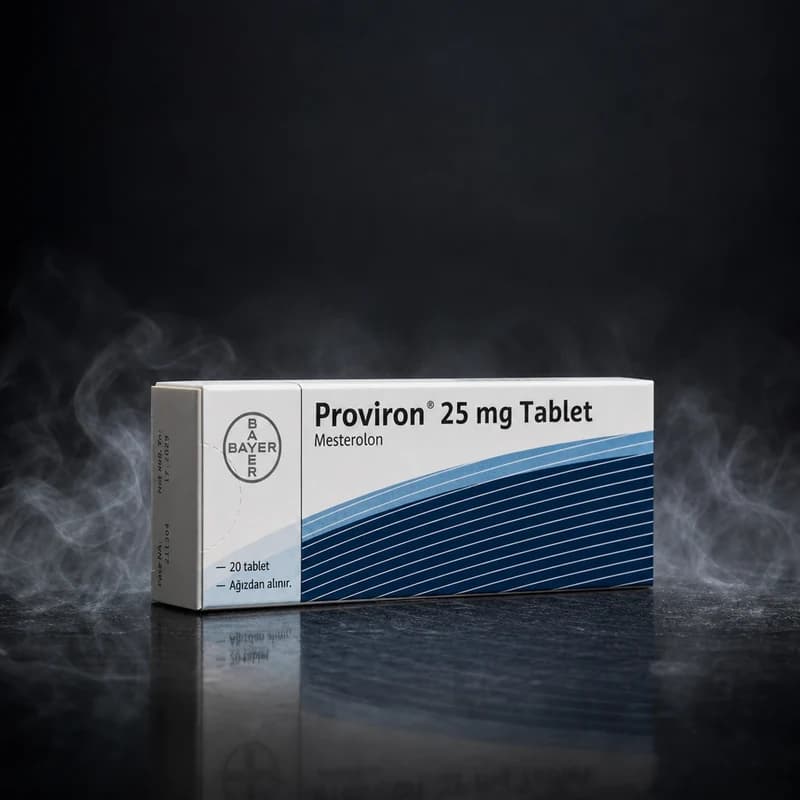
Contraindications: Mesterolone is contraindicated in individuals with androgen-sensitive malignancies (prostate or breast carcinoma), known hypersensitivity to 1-methyl-DHT derivatives, severe hepatic impairment, or elevated haematocrit (>54 %). Do not use in women of childbearing potential due to virilisation risk.
Side Effects: Androgenic effects — scalp hair thinning, increased body hair, acne, and seborrhea — are the most reported concerns; those with male-pattern baldness genetics are at elevated risk. Elevated PSA has been documented in older males on prolonged mesterolone courses. Despite oral administration, hepatotoxicity risk is low due to the 1-methyl-DHT structure, but liver enzymes (ALT/AST) should be checked if multi-month use is planned.
Monitoring: At the outset of a heavy-cycle PCT: baseline total testosterone, free testosterone, LH, FSH, SHBG, PSA (in males over 35), haematocrit, and hepatic panel. Repeat testosterone and gonadotropin panel at weeks 6 and 12 of PCT; schedule a further check 90 days after all PCT agents are discontinued to confirm sustained axis recovery.
PCT: Mesterolone itself does not constitute a complete PCT; it provides peripheral androgenic support and must be combined with a gonadotropin-stimulating SERM (tamoxifen or clomiphene) and, for heavy-cycle recovery, preceded by HCG priming. Standalone mesterolone monotherapy is insufficient to restart significant endogenous testosterone production after extended suppressive cycles.

 Lab Tested