Mesterolone as a Component of Modern Structured PCT Frameworks
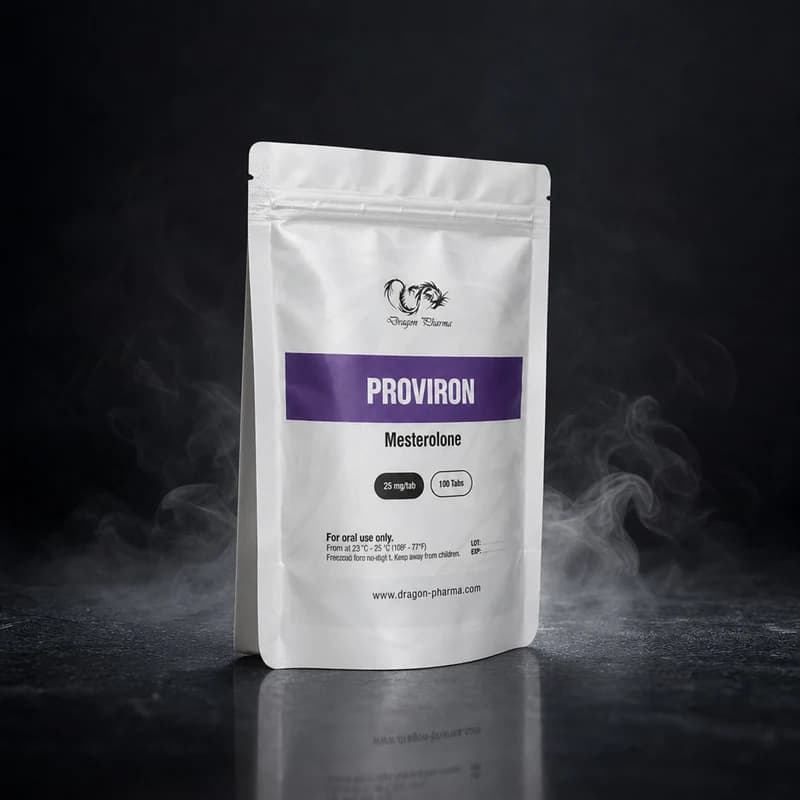
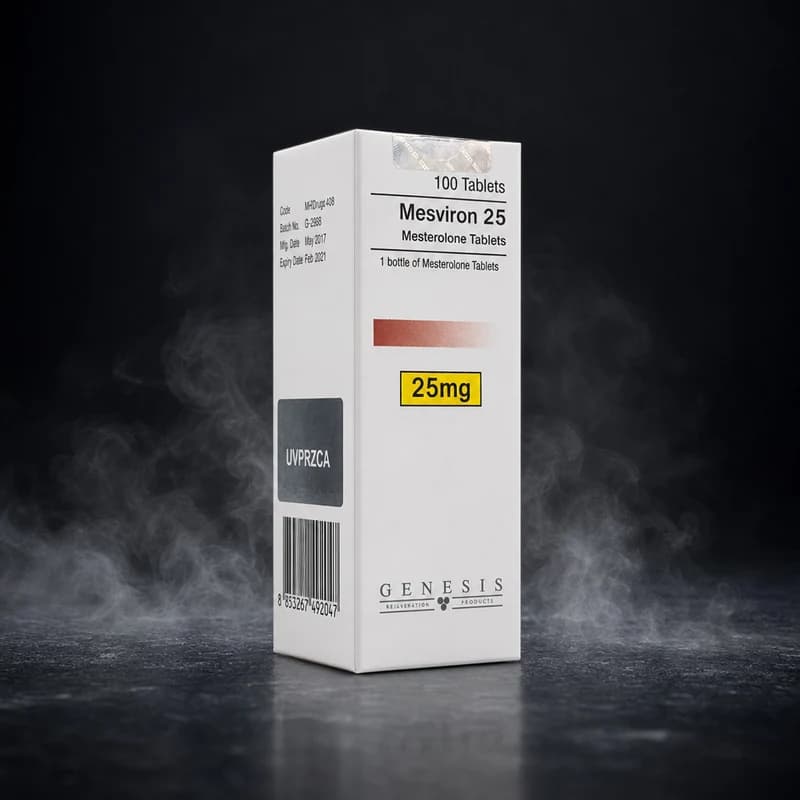
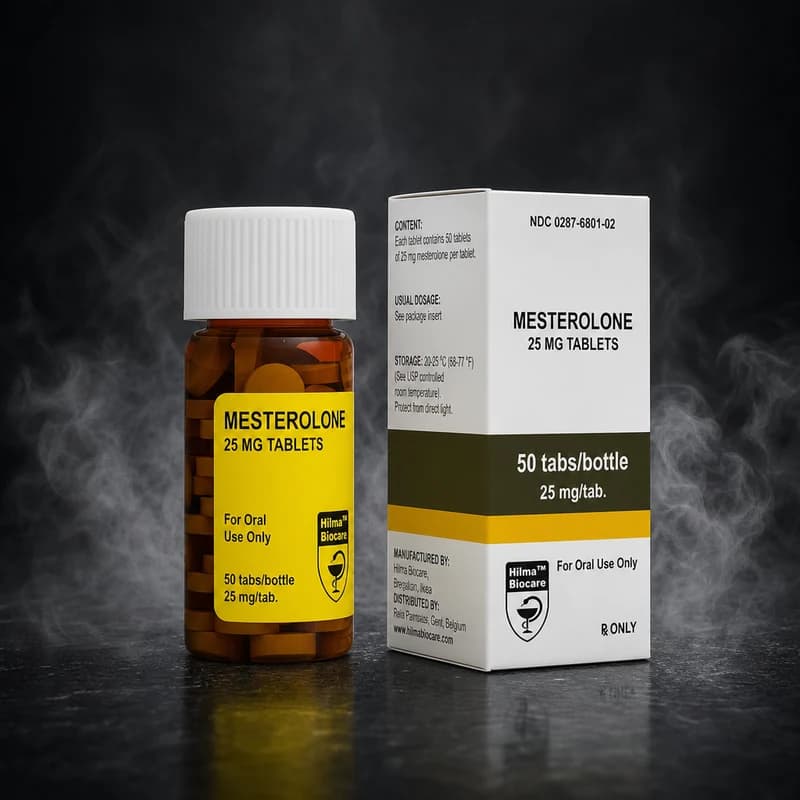
Creto-Proviron is an oral mesterolone preparation — 10 mg per tablet, 50 tablets per pack — positioned specifically within modern post-cycle therapy protocols that integrate androgenic support agents alongside classical SERMs to address the multidimensional hormonal disruption that follows suppressive anabolic cycles. Traditional single-SERM PCT approaches focus almost exclusively on gonadotropin restoration; modern protocols, by contrast, also target SHBG elevation, estrogenic rebound and androgen-deficiency symptoms that SERMs do not adequately resolve on their own. Mesterolone occupies that gap with precision.
How Mesterolone Functions in a Modern Multi-Agent PCT Stack
Mesterolone binds competitively to sex hormone-binding globulin (SHBG), reducing the fraction of testosterone sequestered by that carrier protein and increasing bioavailable hormone — a mechanism confirmed in endocrinological literature as SHBG displacement activity. Compared to agents that rely solely on hypothalamic-pituitary-gonadal (HPG) axis signalling, mesterolone acts peripherally, producing androgenic support independent of LH pulse amplitude. Creto-Proviron therefore complements SERM action rather than duplicating it: the SERM stimulates gonadotropin secretion while mesterolone improves the androgenic quality of testosterone that is concurrently being produced. This parallel-mechanism design is a defining feature of evidence-informed modern PCT architecture.
Dosing Precision at 10 mg per Tablet
The 10 mg tablet format of Creto-Proviron offers a granularity advantage over 25 mg formulations: users following tapered modern PCT schedules — where mesterolone dose is reduced progressively as endogenous testosterone rises — can titrate in 10 mg increments rather than halving tablets with inherent content-uniformity risk. Each tablet delivers a chromatographically confirmed 10 mg mesterolone dose, verified by HPLC prior to batch release against certified pharmacopoeial reference standards; no nominal label claim is accepted as a substitute for measured content. This analytical rigour is particularly relevant in a PCT context, where hormonal windows are narrow and dose variance directly affects protocol outcomes.
Quality Infrastructure: HPLC and GMP Standards
Beligas Pharmaceuticals subjects Creto-Proviron to lot-by-lot HPLC (High-Performance Liquid Chromatography) quantification; mesterolone is chromatographically isolated from tablet excipients and measured against certified reference standards before any batch enters the distribution chain. Manufacturing is conducted under GMP-compliant conditions, and endotoxin screening via LAL (Limulus Amebocyte Lysate) testing is applied where applicable across the Beligas production infrastructure, reinforcing the quality controls that modern PCT users require when selecting an ancillary compound.

 Lab Tested