forgemax.FORGED. TESTED. PROVEN.
IGF-1 DES 1mg/vial 1 Vial by Master Pharma
Batch Tested

IGF-1 DES 1mg/vial 1 Vial by Master Pharma

Master Pharma IGF-1 DES is a lyophilised, single-ingredient research peptide supplied as 1 mg per vial, engineered for subcutaneous administration following correct reconstitution with bacteriostatic water. Proper handling — precise solvent volume, refrigerated storage at 2–8 °C, and aseptic injection technique — determines whether the peptide reaches target tissue at full potency. Each vial lot is covered by batch-specific HPLC purity and LAL endotoxin documentation, verified through independent analytical testing before release.

€36.00Free shipping on orders over €300
In stock
Ships within 48 h Lab-tested batch
  • Lyophilised format preserves peptide bond integrity during transit and storage compared to pre-dissolved solutions
  • Single-ingredient vial eliminates cross-contamination variables for precise dosing accuracy
  • Batch-specific HPLC purity data gives a verified concentration reference before reconstitution
  • LAL endotoxin certification on every lot reduces injection-site inflammatory risk
  • 1 mg per vial supports flexible dosing increments using standard insulin syringes
  • Compatible with bacteriostatic water for extended 28-day post-reconstitution usability

Key takeaways

  • Reconstitute with bacteriostatic water for multi-dose refrigerated stability up to 28 days.
  • Store unreconstituted vials at 2–8 °C, protected from light, for up to 24 months.
  • Rotate subcutaneous injection sites every dose to prevent localised tissue irritation.
  • Verify your dose calculation against the batch HPLC certificate for confirmed starting mass.
  • Review LAL endotoxin results per lot before injecting to confirm microbiological safety.

What IGF-1 DES Is and Why Correct Handling Defines Its Effectiveness

IGF-1 DES (des[1-3]IGF-1) is a truncated, naturally occurring variant of Insulin-like Growth Factor-1, lacking the first three N-terminal amino acids, which substantially lowers its binding affinity for IGF-binding proteins and intensifies its direct interaction with the IGF-1 receptor at tissue level. Master Pharma supplies it as a lyophilised powder — a freeze-dried cake that requires accurate reconstitution before any subcutaneous dose is drawn. Compared to pre-dissolved peptide solutions, the lyophilised format confers superior shelf-life stability, provided storage and reconstitution protocols are followed precisely.

Reconstitution: Solvent Choice and Volume Calculation

Bacteriostatic water (0.9 % benzyl alcohol) is the recommended reconstitution solvent for IGF-1 DES vials intended for multi-dose use; sterile water for injection is acceptable for single-dose applications only. To achieve a working concentration of 100 mcg per 0.1 mL, add 1 mL of bacteriostatic water to the 1 mg vial — directing the solvent slowly down the inner vial wall rather than jetting it directly onto the peptide cake prevents foaming and preserves structural integrity. Master Pharma's lot-specific HPLC data confirms the declared 1 mg starting mass, giving users a verified reference point for their volume calculations.

Cold-Chain Storage and Post-Reconstitution Shelf Life

Unreconstituted vials must be stored at 2–8 °C, away from light; lyophilised IGF-1 DES retains potency for up to 24 months under these refrigerated conditions, per standard industry stability benchmarks. Once reconstituted, the peptide solution should remain refrigerated and is considered stable for up to 28 days, provided bacteriostatic water was used as the diluent — a timeline that shortens to 24–48 hours when sterile water alone is used. Freezing a reconstituted solution degrades peptide bonds and is not recommended.

Subcutaneous Injection Technique

Subcutaneous administration delivers IGF-1 DES into the adipose layer immediately beneath the skin, typically using a 29–31 gauge insulin syringe with a 6–8 mm needle. The injection site — commonly the abdomen, outer thigh, or flank — should be rotated with each dose to minimise localised tissue irritation. After drawing the calculated volume, expel air bubbles, pinch the skin lightly, insert the needle at a 45° angle, aspirate briefly to confirm no vessel entry, then depress the plunger steadily. LAL endotoxin testing carried out on every Master Pharma batch reduces the risk of injection-site inflammation attributable to microbial contamination rather than the peptide itself.

Usage

  1. Gather supplies: Master Pharma IGF-1 DES 1mg vial, bacteriostatic water, 29–31 gauge insulin syringes, alcohol swabs, and a clean flat surface.
  2. Wipe the vial septum with an alcohol swab and allow it to dry for 10 seconds before inserting any needle.
  3. Draw 1 mL of bacteriostatic water into a syringe and inject it slowly down the inner wall of the vial — never directly onto the peptide cake.
  4. Swirl the vial gently in a circular motion until the lyophilised cake dissolves fully into a clear solution; do not shake or vortex.
  5. Using a fresh insulin syringe, draw the calculated dose volume, expel any air bubbles, pinch a clean subcutaneous site (abdomen, flank, or outer thigh), insert the needle at 45°, aspirate briefly, then depress the plunger steadily.
  6. After injection, recap and dispose of the used syringe safely; recap the vial, label it with the reconstitution date, and return it to the refrigerator at 2–8 °C immediately.

Warnings

Contraindications: IGF-1 DES is not suitable for individuals with active or suspected malignancy, as IGF-1 receptor activation may promote tumour proliferation. Contraindicated in pregnancy, lactation, and in persons under 18 years of age. Those with a history of diabetic retinopathy or severe hypoglycaemia episodes should avoid use.

Side Effects: Reported effects include transient hypoglycaemia (administer alongside a carbohydrate source), injection-site erythema, and peripheral oedema. Jaw or hand tingling has been noted at higher doses. Symptoms typically resolve upon dose reduction or cessation.

Monitoring: Monitor fasting glucose and insulin sensitivity at baseline and at two-week intervals during use. Periodic IGF-1 serum assays (reference range 100–300 ng/mL for adults) provide indirect guidance on systemic exposure. Inspect each vial for particulates or discolouration before drawing a dose — discard if either is present.

PCT: IGF-1 DES does not suppress the hypothalamic-pituitary-gonadal axis directly; formal post-cycle therapy is not required for isolated peptide use. When co-administered with anabolic steroids or growth hormone secretagogues, PCT should be structured around those compounds rather than IGF-1 DES specifically.

Frequently asked questions

What solvent should I use to reconstitute Master Pharma IGF-1 DES 1mg vial?
Bacteriostatic water (0.9 % benzyl alcohol) is the preferred solvent for multi-dose use, extending the reconstituted solution's refrigerated shelf life to approximately 28 days. Sterile water for injection is an alternative only if the entire vial will be consumed in a single session. Always direct solvent down the vial wall slowly — never force it onto the peptide cake — to avoid foaming and peptide degradation.
How long does reconstituted IGF-1 DES remain stable in the refrigerator?
When reconstituted with bacteriostatic water and stored at 2–8 °C in a light-protected environment, IGF-1 DES solution is considered stable for up to 28 days. Using sterile water without a preservative cuts stability to 24–48 hours. Freezing the reconstituted vial is not recommended, as repeated freeze-thaw cycles break peptide bonds and reduce effective concentration.
What needle gauge and injection angle are recommended for subcutaneous IGF-1 DES?
A 29–31 gauge insulin syringe with a 6–8 mm needle is standard for subcutaneous peptide delivery. Insert at a 45° angle into pinched skin at a rotated site — abdomen, flank, or outer thigh — to deposit the solution into the subcutaneous adipose layer rather than the muscle or dermis. Consistent site rotation prevents cumulative localised irritation.
How do I calculate the correct volume to draw from a 1mg IGF-1 DES vial?
Add exactly 1 mL of bacteriostatic water to the 1 mg vial to yield 1000 mcg/mL (1 mcg per microlitre). For a 50 mcg dose, draw 0.05 mL on an insulin syringe. Master Pharma's batch HPLC certificate confirms the declared 1 mg peptide mass, so your concentration calculation rests on independently verified starting material rather than an estimate.
Why does Master Pharma carry out LAL endotoxin testing on IGF-1 DES vials?
The Limulus Amebocyte Lysate (LAL) test detects bacterial endotoxins that survive standard sterilisation and cause injection-site inflammation or systemic pyrogenic reactions. Master Pharma applies LAL testing to every batch of lyophilised peptide vials, including IGF-1 DES, and the results are included in lot-specific documentation. This directly reduces the risk that post-injection redness or swelling stems from microbial contamination rather than the peptide itself. (2) angle_used

Manufacturer

Microbiological purity and endotoxin control sit at the centre of Master Pharma's lyophilised peptide release framework — not as supplementary checks, but as primary gate-keeping criteria without which no IGF-1 DES vial lot proceeds to packaging. The endotoxin burden of every batch is quantified via the Limulus Amebocyte Lysate (LAL) method, a gold-standard compendial technique specified in both USP <85> and EP 2.6.14, with acceptance limits set below 10 EU/mg for parenteral peptide preparations. Bioburden enumeration is conducted in parallel under ISO-aligned microbiology protocols, assessing total aerobic microbial count and the absence of specified pathogens — Pseudomonas aeruginosa, Staphylococcus aureus, and Enterobacteriaceae — before any release decision is taken. For IGF-1 DES, where subcutaneous injection places the peptide in direct contact with cutaneous immune surveillance, an endotoxin exceedance would manifest clinically as injection-site inflammation indistinguishable from peptide-induced irritation; Master Pharma's documented endotoxin data therefore serves a diagnostic function for the end user as much as a manufacturing compliance function. Lot-specific LAL certificates are made available alongside HPLC purity records, enabling cross-referencing of both chemical identity and microbiological status within a single batch release package.

Product details

BrandMaster Pharma
Active ingredientigf-1 des
Also known asDES-IGF, Des (1-3) IGF, Bio-Peptide IGF-1 DES, IGF-1 DES, Master Pharma DES-IGF
Strength1 mg
FormVial
Pack size1 piece
Item numberPEPT-IGFD-MAS-003

Reviews

No reviews yet. Be the first to review this product.

Write a review

Your rating *

Your review will be checked before publication.

Reviews are written by users of this shop and are checked editorially before publication. Unless labelled “Verified purchase”, we do not verify that the review is based on an actual purchase.

Similar products

Des IGF 1mg/vial 1 Vial by Bio-PeptideLab Tested

Des IGF 1mg/vial 1 Vial by Bio-Peptide

€36.00
IGF-1 DES 1mg/vial 1 Vial by Knoll PharmaceuticalsHPLC Verified

IGF-1 DES 1mg/vial 1 Vial by Knoll Pharmaceuticals

€30.00

Stack it with

Pairs well with these products.

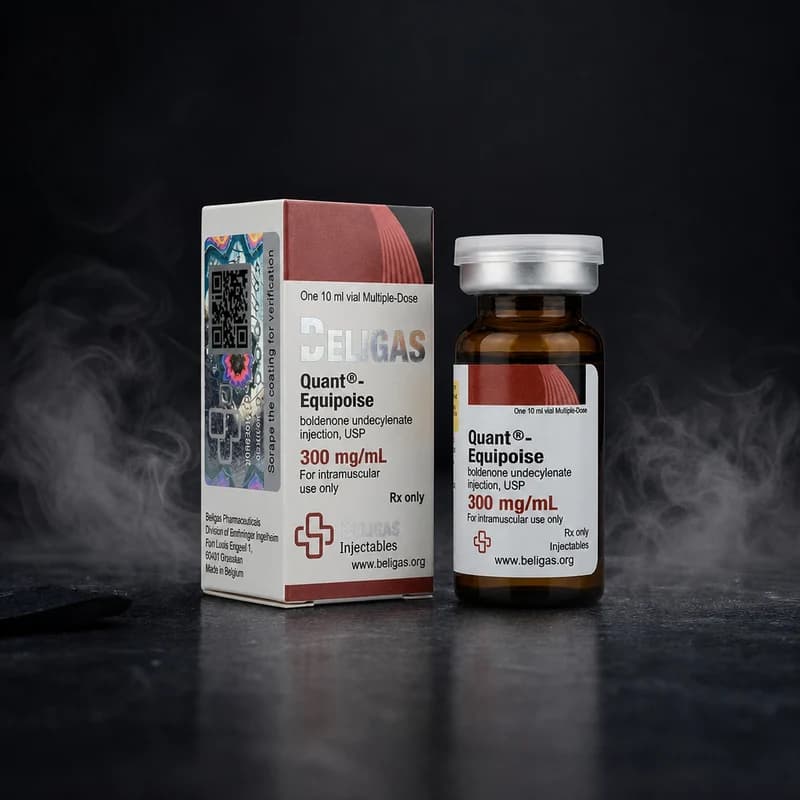
Quant-Equipoise 300mg/ml 10ml Vial by Beligas PharmaceuticalsHigh Concentration

Quant-Equipoise 300mg/ml 10ml Vial by Beligas Pharmaceuticals

€47.00
Bolden-250 250mg/ml 10x1ml Ampoules by BM PharmaceuticalsLong-Acting Formula

Bolden-250 250mg/ml 10x1ml Ampullen by BM Pharmaceuticals

€48.00
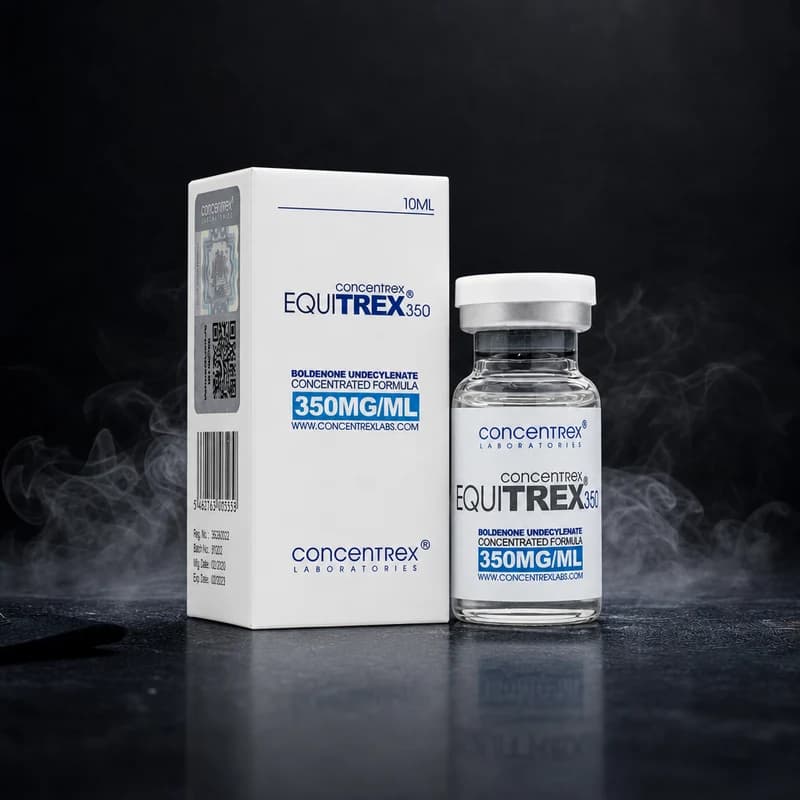
EquiTrex 350mg/ml 10ml Vial by Concentrex LabsBrand Quality

EquiTrex 350mg/ml 10ml Vial by Concentrex Labs

€52.00
EQ 300 300mg/ml 10ml Vial by Dragon-PharmaPro Choice

EQ 300 300mg/ml 10ml Vial by Dragon-Pharma

€44.00