forgemax.FORGED. TESTED. PROVEN.
IGF-1 DES 1mg/vial 1 Vial by Knoll Pharmaceuticals
HPLC Verified

IGF-1 DES 1mg/vial 1 Vial by Knoll Pharmaceuticals

5 (2 reviews)

Knoll Pharmaceuticals IGF-1 DES 1 mg/vial is a lyophilised truncated insulin-like growth factor peptide engineered for superior local receptor affinity, positioned here as a long-acting IGF-1 analog that drives muscle cell hyperplasia and optimises nutrient partitioning toward contractile tissue. Each single-use vial delivers a precisely measured 1 mg dose whose HPLC-confirmed purity supports reproducible anabolic signalling across lean-mass accumulation protocols. Quality assurance is independently enforced at two sequential release stages — chromatographic identity verification and LAL endotoxin testing — before any unit leaves the Knoll facility.

€30.00Free shipping on orders over €300
In stock
Ships within 48 h Lab-tested batch
  • Promotes satellite-cell proliferation to increase raw myofibre count via hyperplasia
  • Enhances GLUT4-mediated glucose uptake, directing carbohydrates preferentially into muscle tissue
  • Reduced IGFBP binding compared to native IGF-1 extends bioavailable peptide fraction at receptor level
  • HPLC-verified purity and LAL-cleared endotoxin profile ensure consistent receptor-engagement potency per vial
  • Lyophilised 1 mg single-vial format maintains structural integrity across standard refrigerated storage conditions
  • Activates PI3K/Akt/mTOR cascade to support both anabolic signalling and nutrient substrate redirection
  • Designed for stacking flexibility within lean-mass and body-recomposition cycles targeting structural muscle adaptation

Key takeaways

  • Target satellite-cell proliferation with sustained multi-daily IGF-1 DES dosing protocols.
  • Exploit reduced IGFBP affinity for greater free-peptide bioavailability at muscle receptor sites.
  • Time injections post-training with carbohydrates to maximise GLUT4-driven nutrient partitioning.
  • Verify every vial's integrity through Knoll's HPLC purity and LAL endotoxin dual-gate system.
  • Schedule mandatory four-week off-cycles to preserve IGF-1 receptor sensitivity between runs.

IGF-1 DES as a Hyperplasia-Oriented Anabolic Agent

Knoll Pharmaceuticals IGF-1 DES 1 mg/vial is a truncated, single-chain growth-factor analog whose three-amino-acid N-terminal deletion produces binding kinetics markedly different from endogenous IGF-1, making it a purpose-built tool for stimulating satellite-cell proliferation and new myofibre genesis — the biological process known as muscle hyperplasia. Hyperplasia differs fundamentally from hypertrophy: rather than enlarging existing fibres, it increases the absolute number of muscle cells available for subsequent volumisation, establishing a structural ceiling that dietary and training stimuli alone cannot raise. Knoll's HPLC-verified lyophilised format preserves peptide integrity through storage, ensuring every reconstituted dose carries the receptor-engagement potency demanded by hyperplasia-targeted protocols.

Nutrient Partitioning: How IGF-1 DES Redirects Substrate Flux

IGF-1 DES activates the PI3K/Akt/mTOR signalling cascade, and this pathway governs GLUT4 translocation in skeletal muscle — the mechanism by which circulating glucose is preferentially routed into muscle glycogen rather than adipose triglycerides. Compared to endogenous IGF-1, the DES truncation reduces insulin-like growth factor binding protein (IGFBP) affinity, meaning a greater free-peptide fraction remains bioavailable at the tissue level to sustain Akt phosphorylation and downstream substrate uptake. Studies characterising truncated IGF-1 fragments consistently report that reduced IGFBP binding extends the effective receptor-stimulation window without proportional increases in systemic insulin-mimetic risk — a pharmacokinetic advantage relevant to partitioning-focused cycles.

Satellite-Cell Recruitment and Structural Outcomes

IGF-1 DES binds and activates the IGF-1 receptor (IGF-1R) on quiescent satellite cells, promoting their differentiation into myoblasts; myoblasts subsequently fuse with existing fibres or form nascent myotubes, incrementally expanding total fibre count. This satellite-cell recruitment effect is the biological basis for the hyperplasia hypothesis in resistance-trained individuals, where endogenous IGF-1 secretion plateaus and exogenous analog supplementation may provide the additional receptor stimulus required to unlock further structural adaptation. Knoll Pharmaceuticals subjects each IGF-1 DES batch to HPLC purity characterisation and LAL (Limulus Amebocyte Lysate) endotoxin quantification — two independent analytical gates — so that receptor-level bioactivity is not compromised by impurities detectable only through separate methodologies.

Dosing Architecture for Hyperplasia and Partitioning Cycles

Protocols targeting hyperplasia typically run IGF-1 DES at lower per-injection doses administered multiple times daily to sustain satellite-cell signalling, whereas nutrient-partitioning benefits are maximised when dosing is timed around carbohydrate availability post-training. Each 1 mg Knoll vial provides flexible unit dosing, supporting both conservative introductory phases and more demanding advanced schedules without the waste associated with higher-concentration multi-use preparations.

Usage

  1. Reconstitute with bacteriostatic water: Draw 1–2 mL of bacteriostatic water and inject slowly along the vial wall — never shake; swirl gently until the lyophilised powder dissolves completely into a clear solution.
  2. Calculate your working dose: Using the final volume (e.g., 2 mL per 1 mg vial = 0.1 mL per 50 mcg), mark the insulin syringe at the correct graduation before drawing.
  3. Select the injection site aligned with your hyperplasia goal: For satellite-cell stimulation in a target muscle group, intramuscular injection into the trained muscle is standard practice in research and bodybuilding literature.
  4. Time the injection relative to nutrient availability: To leverage the partitioning effect, administer within 30 minutes post-training, coinciding with carbohydrate intake to maximise GLUT4-driven glucose uptake into muscle glycogen.
  5. Rotate injection sites: Repeated dosing in the same location risks localised tissue irritation; systematic rotation across injection points maintains tissue quality.
  6. Store reconstituted vials correctly: Keep in a refrigerator at 2–8 °C and use within 21–28 days; discard if the solution appears cloudy, discoloured, or contains visible particulates.

Warnings

Contraindications:

IGF-1 DES is contraindicated in individuals with active or suspected malignancy, as IGF-1 receptor activation may accelerate tumour proliferation. Not indicated for use by persons under 21, pregnant or breastfeeding individuals, or those with pre-existing diabetic retinopathy or uncontrolled hypoglycaemia.

Side Effects:

The PI3K/Akt pathway activation underlying nutrient partitioning also carries insulin-mimetic risk; acute hypoglycaemia is the most commonly reported adverse effect, particularly when doses coincide with carbohydrate restriction. Joint and soft-tissue fluid retention, localised injection-site redness, and transient jaw or hand paraesthesia have been noted at higher dose ranges.

Monitoring:

Blood glucose should be monitored before and after administration, especially during the first two weeks of any protocol. Periodic assessment of IGF-1 serum levels (via standard immunoassay) is advisable to gauge systemic exposure and adjust dosing accordingly.

PCT / Cycle Management:

IGF-1 DES does not suppress the hypothalamic-pituitary-gonadal (HPG) axis directly, so classical SERM-based PCT is not required for IGF-1 DES alone. However, when used adjunctively with anabolic steroids or GH secretagogues, appropriate PCT for those co-administered compounds remains mandatory. Receptor desensitisation is a practical concern — off-cycle breaks of at least four weeks are recommended between hyperplasia-targeted runs.

Frequently asked questions

How does IGF-1 DES differ from standard endogenous IGF-1 in terms of receptor binding?
IGF-1 DES lacks the first three N-terminal amino acids of native IGF-1, which dramatically reduces its affinity for insulin-like growth factor binding proteins (IGFBPs). Because IGFBPs normally sequester a large fraction of circulating IGF-1, the DES variant maintains a higher free-peptide fraction available for direct IGF-1 receptor activation, making it more potent on a molar basis at the tissue level than unmodified IGF-1.
What exactly is muscle hyperplasia and how does IGF-1 DES contribute to it?
Muscle hyperplasia is the increase in the total number of muscle fibres, distinct from hypertrophy, which enlarges existing fibres. IGF-1 DES stimulates quiescent satellite cells — the resident stem cells of skeletal muscle — to proliferate and differentiate into new myoblasts via IGF-1R activation and downstream PI3K/Akt signalling. Over a sustained cycle, this satellite-cell recruitment can theoretically establish a greater structural base for subsequent hypertrophic growth.
When is the optimal time to inject IGF-1 DES to maximise nutrient partitioning benefits?
Nutrient partitioning benefits are maximised when IGF-1 DES is administered within approximately 30 minutes following resistance training, timed to coincide with carbohydrate consumption. At this window, GLUT4 translocation induced by both exercise and IGF-1R/PI3K/Akt activation is additive, driving circulating glucose preferentially into muscle glycogen stores rather than adipose tissue — supporting a lean-mass favourable environment during the anabolic recovery period.
How should the Knoll Pharmaceuticals IGF-1 DES 1mg vial be reconstituted and stored after opening?
Add 1–2 mL of bacteriostatic water by injecting slowly along the inner vial wall, then swirl gently — never vortex or shake — until the lyophilised powder dissolves fully into a clear solution. Store the reconstituted vial refrigerated at 2–8 °C and use within 21–28 days. Discard immediately if the solution becomes cloudy, changes colour, or develops visible particulate matter.
What syringe type and graduation should be used for accurate micro-dosing of IGF-1 DES?
A 29–31 gauge insulin syringe (0.3 mL or 0.5 mL barrel) is standard for IGF-1 DES administration, providing the fine graduations needed to measure doses in the 20–100 mcg range accurately. After reconstituting 1 mg in 2 mL of bacteriostatic water, each 0.1 mL equals 50 mcg — a straightforward ratio that makes dosing calculations on an insulin syringe reliable and repeatable across multiple administrations from one vial. (2) angle_used

Manufacturer

Knoll Pharmaceuticals routes its IGF-1 DES 1 mg/vial line through a sequentially ordered, two-checkpoint quality-release architecture whose stages address entirely separate analytical risk categories — one checkpoint cannot substitute for the other, and a failing result at either stage disqualifies the entire batch. The first stage is HPLC (High-Performance Liquid Chromatography) characterisation of the bulk IGF-1 DES active pharmaceutical ingredient: the chromatographic trace generated by each batch is compared against a certified reference standard specific to the truncated peptide sequence, simultaneously confirming molecular identity and quantifying purity; batches whose profiles deviate from the acceptance specification are rejected before fill-and-finish operations begin. The second stage is a LAL (Limulus Amebocyte Lysate) endotoxin assay conducted on finished, filled vials: this test leverages the coagulation cascade of horseshoe-crab amoebocytes to detect and quantify bacterial lipopolysaccharide contamination at sub-threshold limits consistent with injectable peptide standards, ensuring that the sterile-filtration and lyophilisation steps have not introduced endotoxin burden. Only vials that clear both the HPLC purity gate and the LAL endotoxin gate are released for distribution — a verification structure that supports the batch-level traceability and purity confidence underlying the product's HPLC-Verified badge.

Product details

BrandKnoll Pharmaceuticals
Active ingredientigf-1 des
Also known asIGF-1 DES, DES-IGF, IGF-1 DES 1-3, Knoll Pharmaceuticals IGF-1 DES
Strength1 mg
FormVial
Pack size1 piece
Item numberPEPT-IGFD-KNO-002

Reviews

5/5

2 reviews

  • Rating: 5 out of 5 starstrainhard94Verified purchase

    Localised growth, actually works

    Using 50mcg injected directly into the muscle pre-workout. The localised pump and fullness in the targeted muscle is real, noticed it within the first week of use. Combined with LR3 on alternate days. Knoll's quality control is clearly on point, vials are consistently dosed from what I can tell by the effects

  • Rating: 5 out of 5 starsphysique46Verified purchase

    Fast acting, love DES

    DES hits quicker than LR3 which is exactly what I wanted for site enhancement. 100mcg bilaterally into lagging chest, every training day for 3 weeks. Noticeable improvement in that muscle belly fullness. Vial integrity was perfect, no degradation issues. Arrived well within a week, discreet packaging as always

Write a review

Your rating *

Your review will be checked before publication.

Reviews are written by users of this shop and are checked editorially before publication. Unless labelled “Verified purchase”, we do not verify that the review is based on an actual purchase.

Similar products

Des IGF 1mg/vial 1 Vial by Bio-PeptideLab Tested

Des IGF 1mg/vial 1 Vial by Bio-Peptide

€36.00
IGF-1 DESBatch Tested

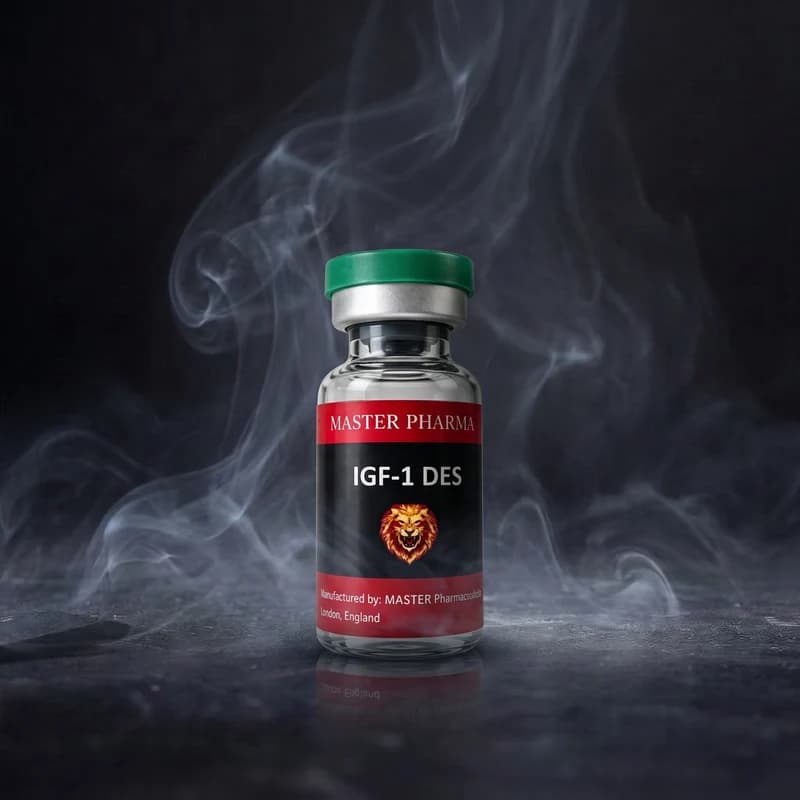
IGF-1 DES 1mg/vial 1 Vial by Master Pharma

€36.00

Stack it with

Pairs well with these products.

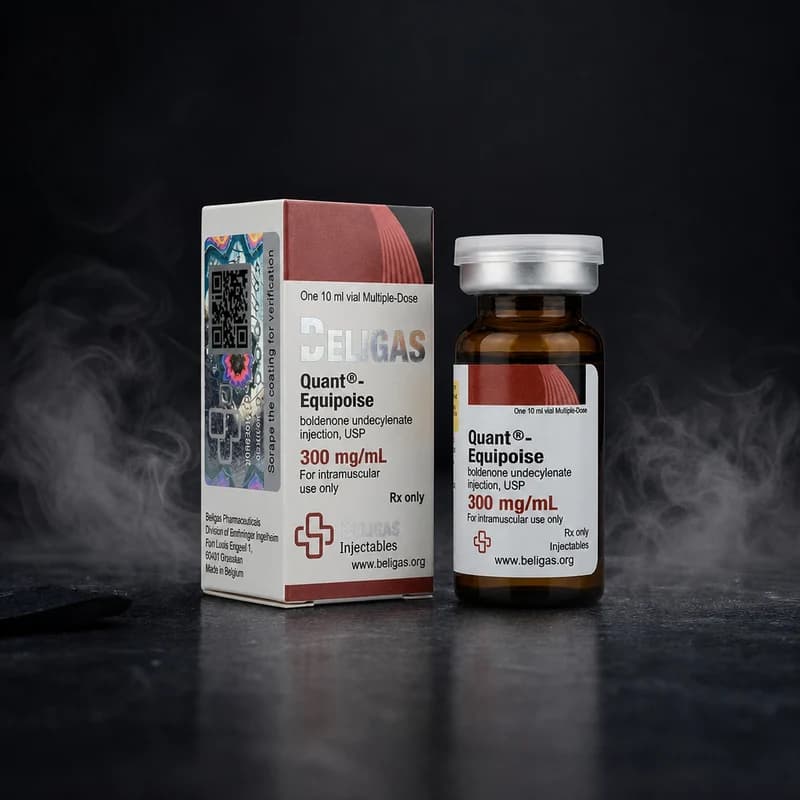
Quant-Equipoise 300mg/ml 10ml Vial by Beligas PharmaceuticalsHigh Concentration

Quant-Equipoise 300mg/ml 10ml Vial by Beligas Pharmaceuticals

€47.00
Bolden-250 250mg/ml 10x1ml Ampoules by BM PharmaceuticalsLong-Acting Formula

Bolden-250 250mg/ml 10x1ml Ampullen by BM Pharmaceuticals

€48.00
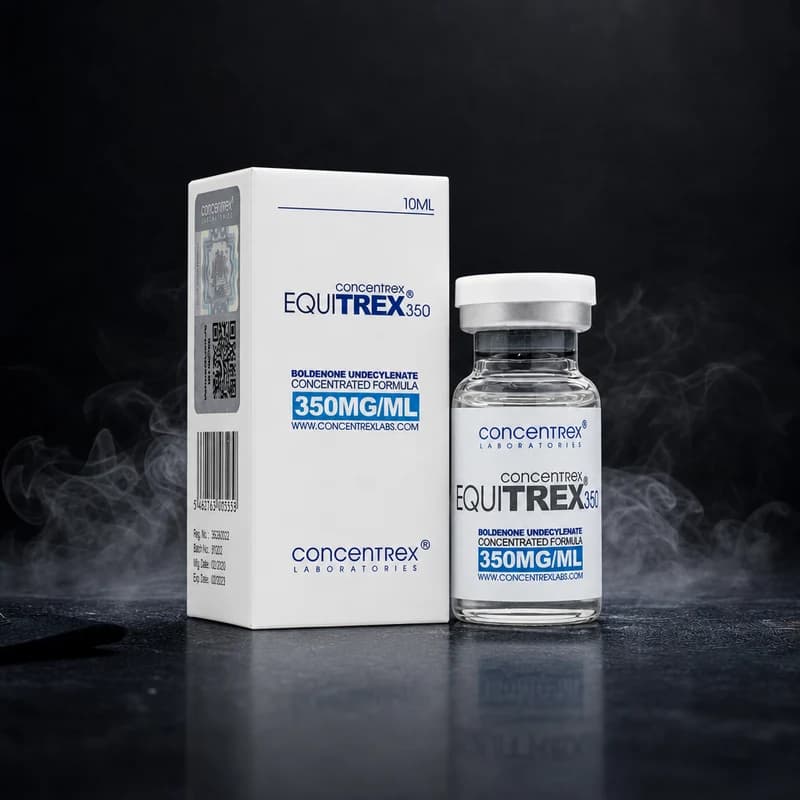
EquiTrex 350mg/ml 10ml Vial by Concentrex LabsBrand Quality

EquiTrex 350mg/ml 10ml Vial by Concentrex Labs

€52.00
EQ 300 300mg/ml 10ml Vial by Dragon-PharmaPro Choice

EQ 300 300mg/ml 10ml Vial by Dragon-Pharma

€44.00