BPC-157 as a Targeted Musculoskeletal Repair Agent
BPC-157 is a synthetic 15-amino-acid sequence derived from human gastric juice protein, documented in peer-reviewed research for its capacity to accelerate tendon-to-bone attachment and stimulate angiogenesis at injury sites. Unlike general recovery supplements, BPC-157 acts directly on growth-hormone receptor signalling and nitric-oxide pathways, making it a mechanistically specific tool for connective-tissue repair. In rodent models published in the Journal of Physiology, BPC-157 restored Achilles tendon function within 14 days at doses of 10 µg/kg, compared to saline controls that showed minimal structural recovery over the same period.
Systemic vs. Local Injection: Which Route Fits Your Protocol?
Administration route is the central clinical decision when using BPC-157 for joints and tendons. Local injection — delivered intratendinously or peri-articularly within 1–3 cm of the target tissue — concentrates the peptide at the damaged site and is preferred for acute, well-defined injuries such as patellar tendinopathy or rotator cuff strain. Systemic subcutaneous injection (typically into abdominal fat) distributes BPC-157 through circulation, making it the preferred choice when the injury is diffuse, deep, or difficult to access precisely. Research suggests local delivery may produce faster initial pain reduction, while systemic administration better supports whole-body cytoprotection and gut-tissue healing simultaneously.
Mechanism: How BPC-157 Rebuilds Connective Tissue
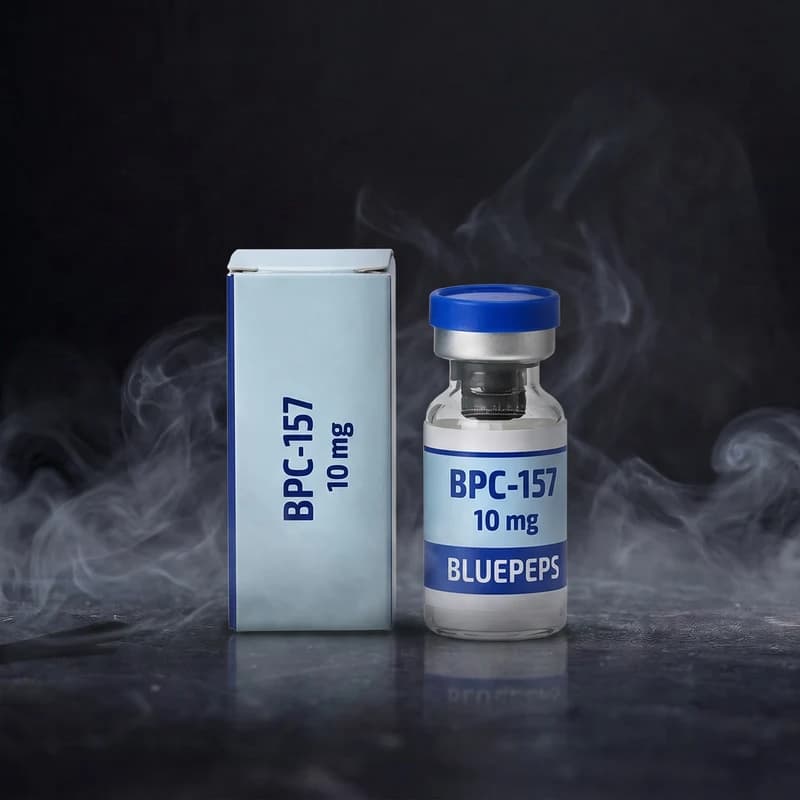
BPC-157 upregulates tendon fibroblast proliferation and collagen type-I synthesis, the structural protein responsible for tensile strength in tendons and ligaments. The peptide also promotes VEGF-mediated vascularisation, restoring blood supply to avascular tendon zones that are notoriously slow to heal. Bio-Peptide's lyophilized 5 mg vials preserve peptide integrity during storage; lyophilisation prevents the degradation that liquid formulations can suffer at ambient temperature.
Quality Assurance at Bio-Peptide
Each Bio-Peptide BPC-157 vial undergoes third-party HPLC analysis confirming ≥ 99 % peptide purity, alongside LAL (Limulus Amebocyte Lysate) endotoxin testing to ensure safe parenteral use. Production adheres to cGMP standards, with full batch traceability from raw amino-acid sourcing through lyophilisation to final vial sealing.

 Pharma Grade