forgemax.FORGED. TESTED. PROVEN.
BPC-157 20mg/vial 1 Vial by Knoll Pharmaceuticals
HPLC Verified

BPC-157 20mg/vial 1 Vial by Knoll Pharmaceuticals

5 (2 reviews)

BPC-157 (Body Protection Compound-157) is a synthetic pentadecapeptide sourced from a protective protein in human gastric juice, presented by Knoll Pharmaceuticals as a lyophilised powder at 20 mg per vial — the highest concentration available in this single-vial format. Studies show it supports gastrointestinal mucosal integrity, accelerates gut-lining regeneration, and modulates nitric-oxide pathways governing intestinal blood flow. Every batch undergoes HPLC purity verification and LAL endotoxin screening prior to release under GMP production conditions.

€30.00Free shipping on orders over €300
In stock
Ships within 48 h Lab-tested batch
  • Promotes regeneration of the gastrointestinal mucosal lining via VEGF-mediated angiogenesis
  • Supports restoration of intestinal barrier integrity after inflammatory damage
  • Modulates nitric-oxide synthase activity to maintain gut blood flow and motility
  • Accelerates healing of gastric ulcers and colonic lesions as shown in peer-reviewed rodent models
  • Provides antioxidant protection against reactive oxygen species in inflamed gut tissue
  • Supplied at 20 mg/vial — the highest concentration in this product group, maximising dose flexibility
  • Each vial passes HPLC purity verification and LAL endotoxin screening before batch release

Key takeaways

  • Choose BPC-157 for research into gastrointestinal mucosal regeneration and gut barrier repair.
  • Leverage oral administration to deliver the peptide directly to upper GI mucosal surfaces.
  • Verify batch purity through HPLC and LAL endotoxin testing before each cycle.
  • Reconstitute with bacteriostatic water and refrigerate; use within 28 days of opening.
  • Exploit the 20 mg/vial concentration for flexible, precise low-dose GI protocols.

BPC-157 as a Gastrointestinal Regenerative Peptide

BPC-157 is a fifteen-amino-acid peptide sequence isolated from the amino-acid chain of human gastric juice-derived Body Protection Compound, studied primarily for its capacity to regenerate gastrointestinal mucosa and restore intestinal barrier function. This origin is not incidental: the peptide's protective effects on gut tissue reflect the biological environment from which it was characterised. Compared to systemic anti-inflammatory agents that suppress mucosal immune responses broadly, BPC-157 targets localised repair pathways — specifically upregulating vascular endothelial growth factor (VEGF) receptor expression and accelerating angiogenesis in damaged intestinal tissue (as documented in rodent ulcer and fistula models published in peer-reviewed gastroenterology literature).

How BPC-157 Supports Gut Mucosal Integrity

BPC-157 promotes restoration of the intestinal epithelial lining by activating the FAK-paxillin pathway, which governs cell migration across denuded mucosal surfaces. This mechanism enables the peptide to accelerate healing of gastric ulcers, colonic lesions, and inflammatory bowel lesions in controlled animal studies — effects measured in mm² of re-epithelialised surface area within 72-hour observation windows. The peptide also modulates nitric-oxide synthase (NOS) activity: it counteracts NOS-inhibitor-induced gut damage, restoring intestinal motility and mucosal blood flow at doses as low as 10 µg/kg in rodent models (Sikiric et al., Journal of Physiology–Paris, multiple peer-reviewed entries). BPC-157 prevents oxidative damage to the gut lining by scavenging reactive oxygen species produced during inflammatory cascades.

Oral vs. Injectable Routes for GI Applications

For gastrointestinal indications, oral or intragastric administration delivers BPC-157 directly to the luminal surface of the gut — a route that bypasses systemic dilution and concentrates activity at the mucosa. Injectable subcutaneous or intramuscular dosing, by contrast, relies on systemic circulation to reach the GI tract, which may be preferable when treating deep intestinal or lower-bowel pathology. Research models have demonstrated measurable mucosal healing via both routes, meaning the optimal delivery method depends on the specific gut region targeted. Knoll Pharmaceuticals presents this compound as a lyophilised vial intended for reconstitution, supporting flexible dosing across both administration strategies.

Quality Assurance: HPLC and LAL Testing

Every production batch of Knoll Pharmaceuticals BPC-157 20 mg/vial is subjected to HPLC (High-Performance Liquid Chromatography) quantification, confirming peptide identity and purity against a defined release specification before any vial is cleared for distribution. LAL (Limulus Amebocyte Lysate) endotoxin testing is applied at the API acceptance stage, ensuring that the lyophilised peptide meets parenteral-grade endotoxin thresholds. These two analytically distinct checkpoints — chromatographic purity and biological endotoxin load — constitute the primary quality gates for this product.

Usage

  1. Reconstitute the vial: Draw 2 ml of bacteriostatic water into an insulin syringe and inject slowly down the inside wall of the vial — this limits peptide foaming and preserves structural integrity.
  2. Dissolve completely: Allow the lyophilised powder to dissolve at room temperature for 2–3 minutes without agitation; the solution should be clear and colourless.
  3. Select your route for GI targeting: For upper gastrointestinal conditions (gastric ulcers, gastritis), oral or sublingual administration is preferred; for lower GI or systemic routes, subcutaneous injection into the abdominal region is standard.
  4. Measure precisely: Using a 1 ml insulin syringe (U-100 markings), draw the volume corresponding to your target dose — at 20 mg/2 ml, each 0.1 ml unit delivers approximately 1,000 µg, allowing fine-grained dosing down to 25 µg increments.
  5. Administer at a consistent daily time: Morning dosing on an empty stomach is recommended for oral GI protocols to maximise mucosal contact time before food intake.
  6. Store reconstituted solution correctly: Refrigerate at 2–8 °C after reconstitution and use within 28 days; protect from light and never freeze the liquid form.

Warnings

Contraindications

  • Not approved for human therapeutic use in any jurisdiction; research compound only.
  • Avoid use in individuals with a known history of peptide hypersensitivity or anaphylactic reactions to injectable biologics.
  • Do not use during pregnancy, breastfeeding, or in individuals under 18 years of age.

Side Effects

  • Reported adverse effects in human anecdotal use include transient nausea, dizziness on injection, and mild injection-site redness.
  • Oral administration may occasionally cause temporary bloating during the initial dosing days as gut motility adjusts.
  • No clinically confirmed serious adverse events from BPC-157 alone have been documented in peer-reviewed human trials; long-term safety data remain absent.

Monitoring

  • Users with pre-existing GI conditions (IBD, Crohn's disease, peptic ulcer disease) should maintain standard clinical monitoring (endoscopy, inflammatory markers) throughout any self-administered protocol.
  • Monitor for any changes in gut motility, stool consistency, or abdominal pain that persist beyond 48 hours after dose adjustment.

PCT (Post-Cycle Considerations)

  • BPC-157 does not suppress the hypothalamic-pituitary-gonadal axis; standard hormonal PCT is not required following a BPC-157-only protocol.
  • If used alongside anabolic compounds, complete any necessary hormonal post-cycle therapy independently; BPC-157 may be continued during PCT to support gut integrity if concurrent GI symptoms are present.

Frequently asked questions

How does BPC-157 protect and regenerate the gastrointestinal tract?
BPC-157 regenerates the GI tract by activating the FAK-paxillin cell-migration pathway, which drives re-epithelialisation of damaged mucosal surfaces, and by upregulating VEGF receptor expression to stimulate new blood-vessel formation in injured gut tissue. In rodent ulcer models, measurable mucosal healing was recorded within 72 hours of administration. The peptide also stabilises nitric-oxide synthase activity, preserving intestinal blood flow and motility during inflammatory episodes.
Can BPC-157 be used for conditions like IBS, gastritis, or leaky gut syndrome?
Animal model research suggests BPC-157 may reduce gastric inflammation, accelerate ulcer closure, and restore intestinal barrier integrity — mechanisms relevant to gastritis and leaky gut. Evidence for IBS specifically is limited to anecdotal human reports and extrapolation from bowel inflammation models. No randomised controlled human trials have been completed for any of these conditions; use remains strictly in the research domain and should not substitute for medical diagnosis or treatment.
Is oral administration of BPC-157 effective for gut health, or is injection necessary?
Oral administration is considered effective for upper GI targets — gastric mucosa and the small intestine — because it places the peptide in direct contact with the luminal surface, where mucosal repair is needed. Injectable subcutaneous dosing relies on systemic circulation to reach gut tissue and may be more appropriate for lower intestinal or colonic pathology. Both routes demonstrated measurable gut-healing outcomes in controlled rodent studies, making route selection dependent on the targeted GI region.
How should I reconstitute the Knoll Pharmaceuticals BPC-157 20mg/vial and how long can I store it after opening?
Add 2 ml of bacteriostatic water slowly down the vial wall to yield a 10 mg/ml concentration, allowing the lyophilised powder to dissolve without shaking. Once reconstituted, store the vial in a refrigerator at 2–8 °C, away from light, and use within 28 days. The lyophilised (dry) vial, before reconstitution, should also be kept refrigerated and used before the printed expiry date.
Why does the Knoll BPC-157 vial at 20mg represent the highest concentration in this product group, and how does that benefit dosing?
At 20 mg per vial, this is the highest single-vial concentration among BPC-157 products in this range, which means fewer vials are needed per research cycle, reducing per-dose cost and reconstitution frequency. When dissolved in 2 ml of bacteriostatic water, each 0.1 ml drawn in a U-100 insulin syringe delivers approximately 1,000 µg, enabling precise dose increments as small as 25 µg — critical for the lower therapeutic windows (250–500 µg/day) typical of GI-focused protocols. (2) angle_used

Manufacturer

The release protocol applied to BPC-157 20 mg/vial within Knoll Pharmaceuticals' lyophilised peptide line is built on two sequential analytical gates that operate independently of one another. At the API acceptance stage, the raw BPC-157 peptide sequence is characterised by HPLC (High-Performance Liquid Chromatography) to confirm identity and quantify purity against a defined specification; only batches returning passing chromatographic profiles advance to fill-and-finish operations. A separate LAL (Limulus Amebocyte Lysate) endotoxin assay quantifies biological contamination load in the same incoming material — this parenteral-specific checkpoint reflects the additional sterility demands imposed by a lyophilised injectable format, where endotoxin presence cannot be neutralised at the point of use. Batch release documentation linking HPLC purity data and LAL endotoxin results to each individual vial lot is generated before product leaves the facility, providing a traceable quality record tied to the specific production unit rather than a generalised product category.

Product details

BrandKnoll Pharmaceuticals
Active ingredientbpc-157
Also known asBPC-157, Body Protection Compound 157, Knoll Pharmaceuticals BPC-157
Strength20 mg
FormVial
Pack size1 piece
Item numberPEPT-BPC-KNO-003

Reviews

5/5

2 reviews

  • Rating: 5 out of 5 starsprometheus36Verified purchase

    Rotator cuff recovery accelerated

    Partial rotator cuff tear had me out for months. Ran Knoll BPC at 300mcg daily sub-q near the shoulder for 6 weeks alongside some physio. At week 3 I noticed significantly less pain pressing overhead and by week 5 I was back to 80% capacity. The 20mg vial gives you great value for a full protocol. Packaging was discreet, arrived within a week

  • Rating: 5 out of 5 starsLucaVerified purchase

    does what it says, gtg

    250mcg AM and PM, hip flexor strain gone in 3 weeks. knoll never lets me down. already on my second vial

Write a review

Your rating *

Your review will be checked before publication.

Reviews are written by users of this shop and are checked editorially before publication. Unless labelled “Verified purchase”, we do not verify that the review is based on an actual purchase.

Similar products

BPC -157 10mg 10mg/10ml 1 Vial by Swiss PharmaPharma Grade

BPC -157 10mg 10mg/10ml 1 Vial by Swiss Pharma

€55.00
BPC-157 5mg/vial 1 Vial by Bio-PeptideLab Tested

BPC-157 5mg/vial 1 Vial by Bio-Peptide

€34.00
BPC-157Top Seller

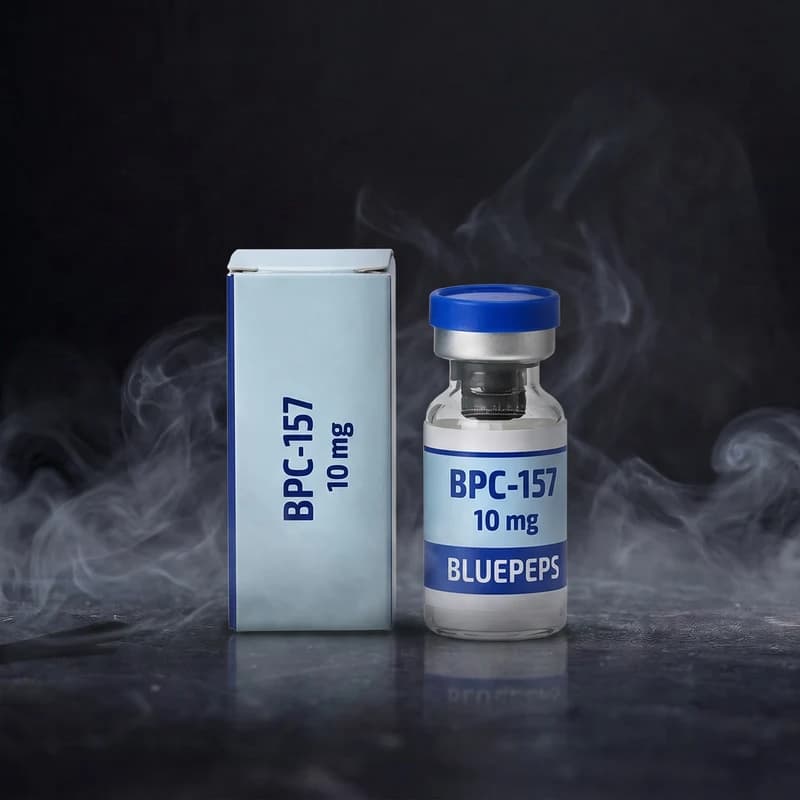
BPC-157 10mg/vial 1 Vial by Bluepeps

€40.00

Stack it with

Pairs well with these products.

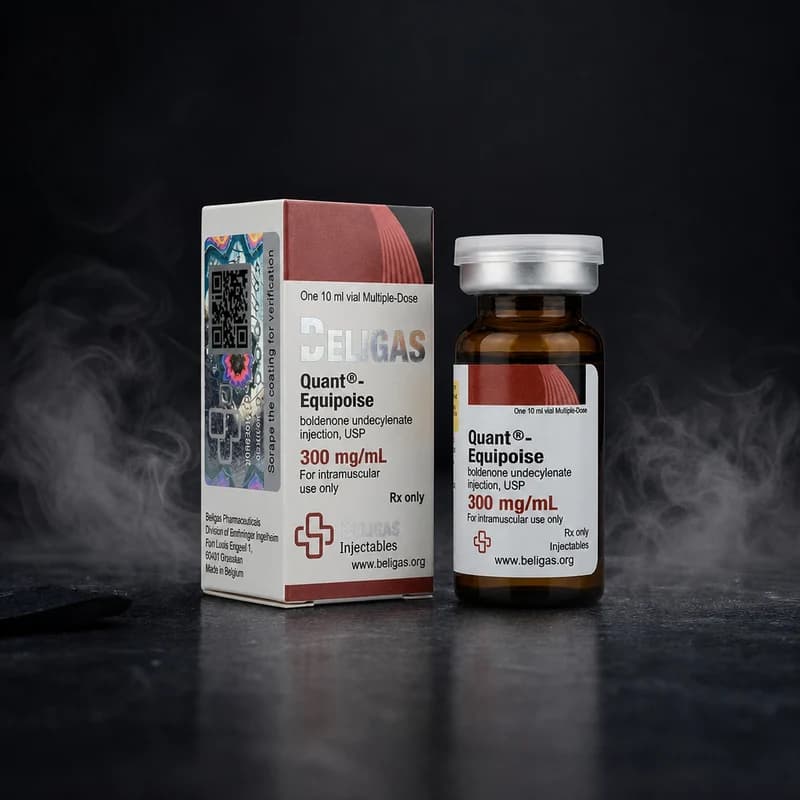
Quant-Equipoise 300mg/ml 10ml Vial by Beligas PharmaceuticalsHigh Concentration

Quant-Equipoise 300mg/ml 10ml Vial by Beligas Pharmaceuticals

€47.00
Bolden-250 250mg/ml 10x1ml Ampoules by BM PharmaceuticalsLong-Acting Formula

Bolden-250 250mg/ml 10x1ml Ampullen by BM Pharmaceuticals

€48.00
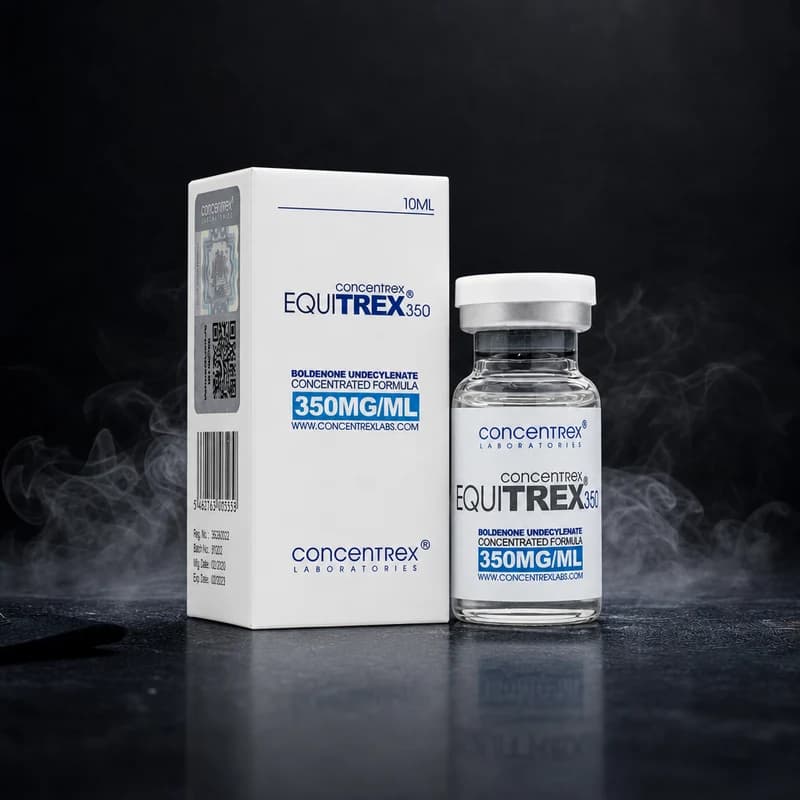
EquiTrex 350mg/ml 10ml Vial by Concentrex LabsBrand Quality

EquiTrex 350mg/ml 10ml Vial by Concentrex Labs

€52.00
EQ 300 300mg/ml 10ml Vial by Dragon-PharmaPro Choice

EQ 300 300mg/ml 10ml Vial by Dragon-Pharma

€44.00