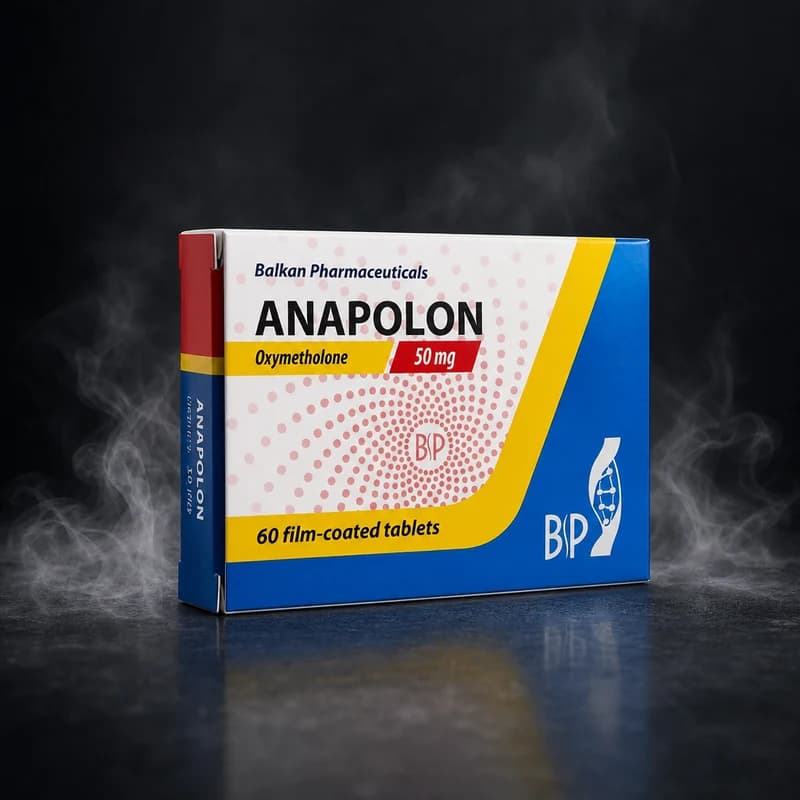
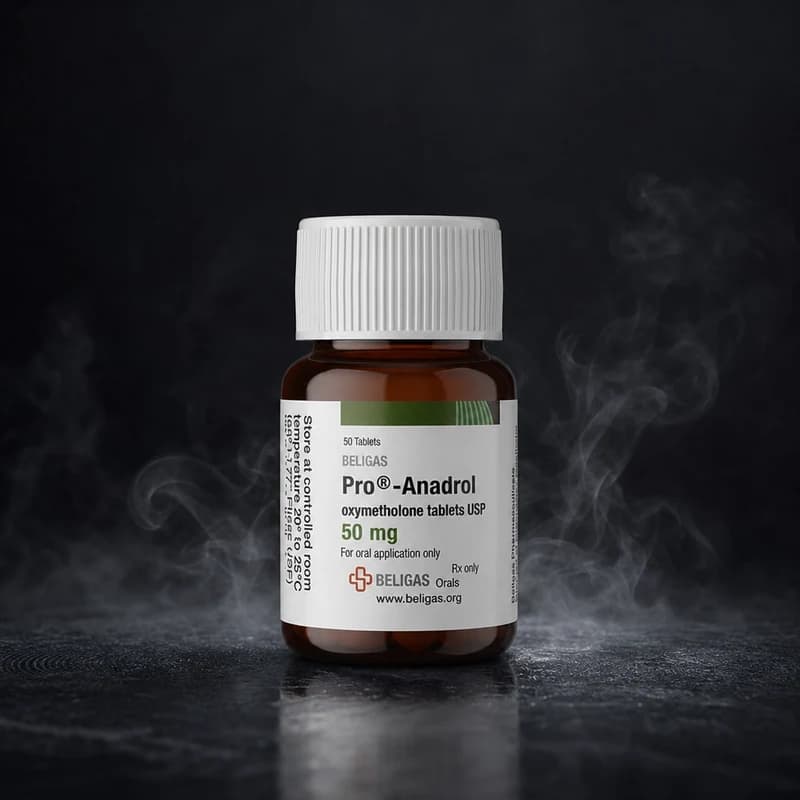
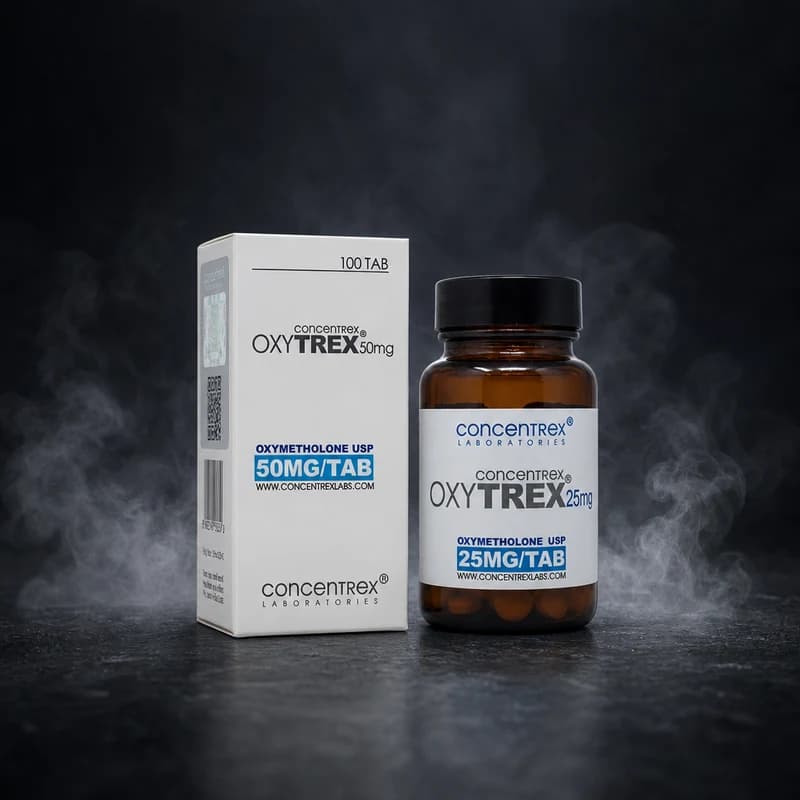
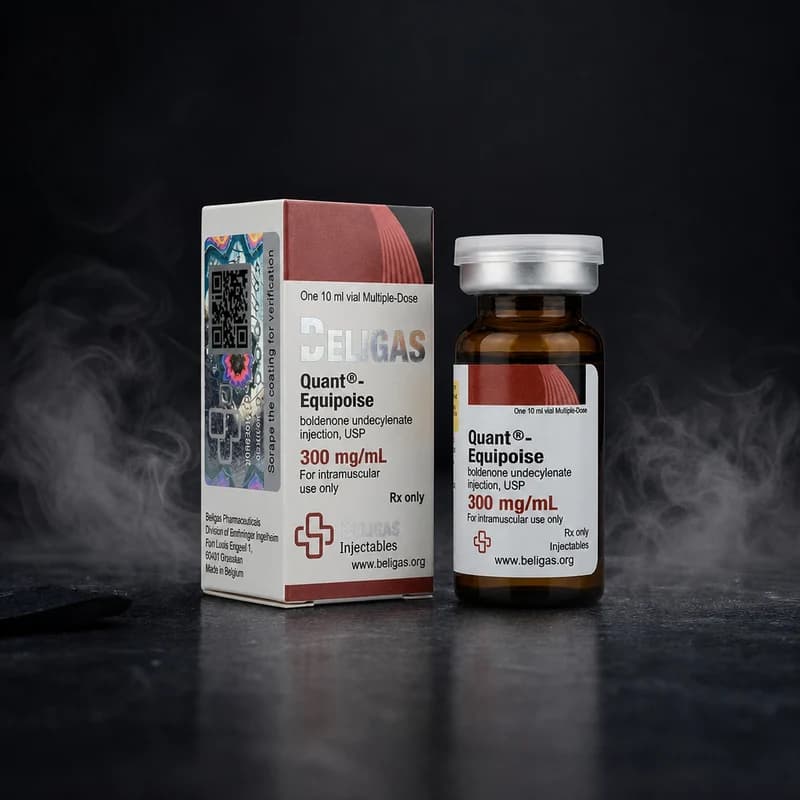
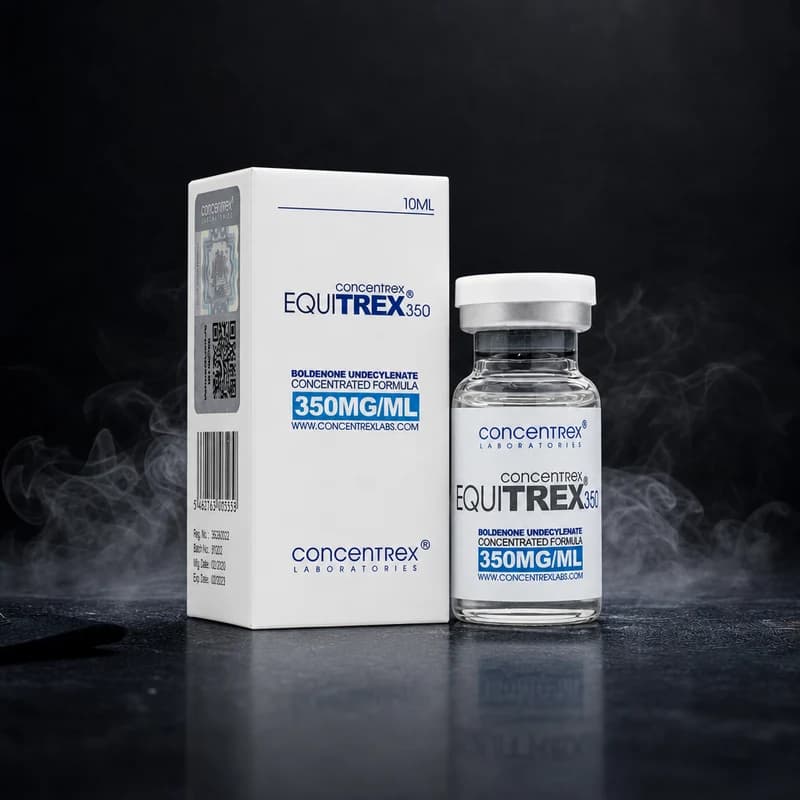
Contraindications: Oxymetholone is contraindicated in individuals with pre-existing hepatic impairment, elevated baseline transaminases, prostate or breast carcinoma, severe cardiovascular disease, or active thrombotic conditions. Women of childbearing potential should not use this compound. Individuals under 21 years of age or with incomplete lipid panel assessment should not commence a cycle.
Side Effects: Hepatotoxicity (elevated ALT and AST) is the primary risk of 17α-alkylated oral androgen use; haematocrit elevation increases blood viscosity and cardiac workload. Lipid profile disruption — particularly suppression of HDL cholesterol — is expected and should be tracked throughout the cutting block. Water retention, although lower under controlled aromatisation, may still occur and should not be attributed solely to the oral compound without assessing injectable oestrogen conversion.
Monitoring: Blood panels covering ALT, AST, haematocrit, haemoglobin, total cholesterol, HDL, LDL, and blood pressure are mandatory at cycle entry, at the two-week mid-point, and four weeks after the last Oxymetholone tablet. Haematocrit readings approaching 54% require immediate dose reduction or cessation. Any ALT or AST value exceeding three times the upper limit of normal demands cycle discontinuation regardless of planned protocol duration.
PCT: Endogenous testosterone axis suppression occurs with any 17α-alkylated oral androgen. A standard post-cycle therapy protocol using a SERM (Selective Oestrogen Receptor Modulator) such as Nolvadex or Clomid should begin the day after the last Oxymetholone tablet if no testosterone base is continued. If an injectable testosterone backbone is maintained, PCT timing should align with the injectable ester's clearance window rather than the oral androgen's cessation date.

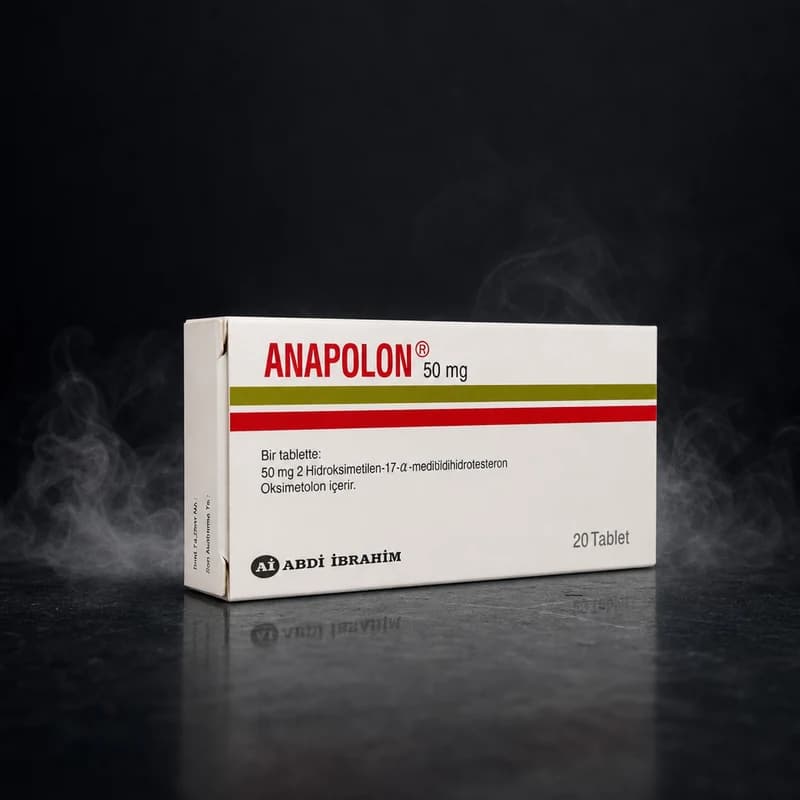 Lab Tested