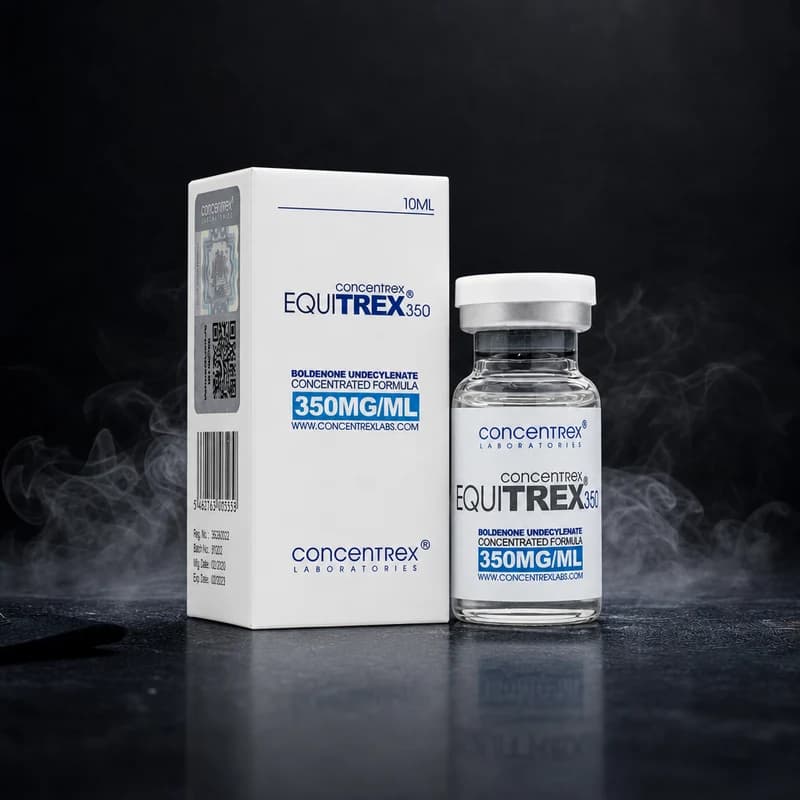
Oxymetholone and the Logic of Unfavorable Combinations
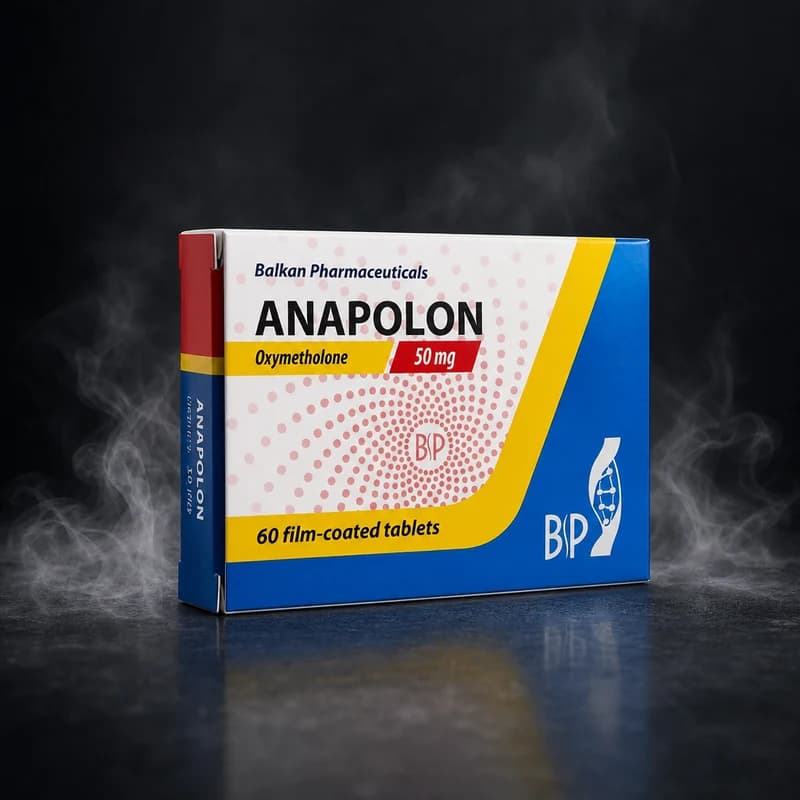
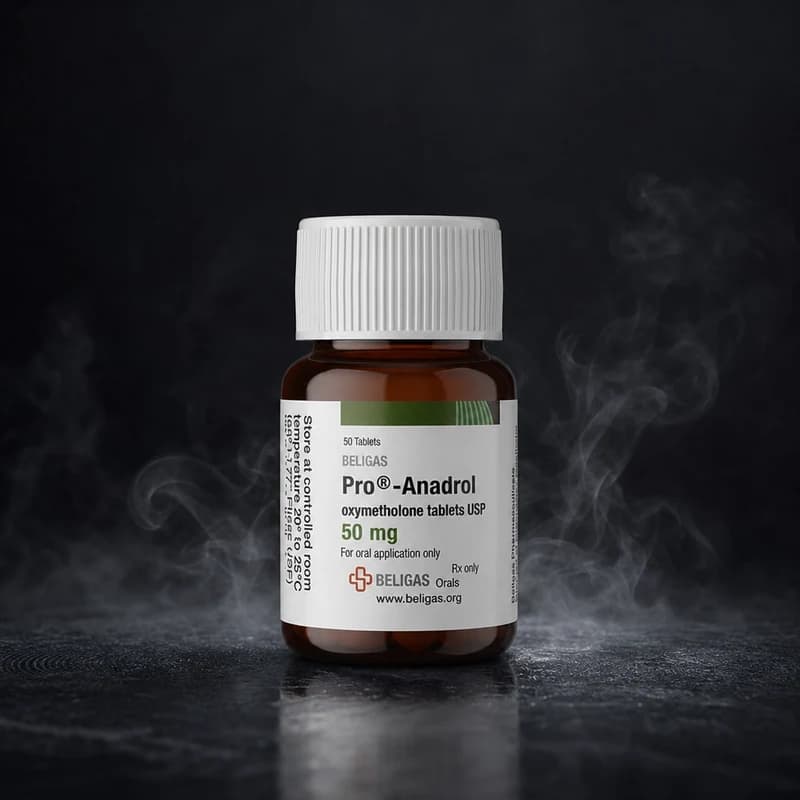
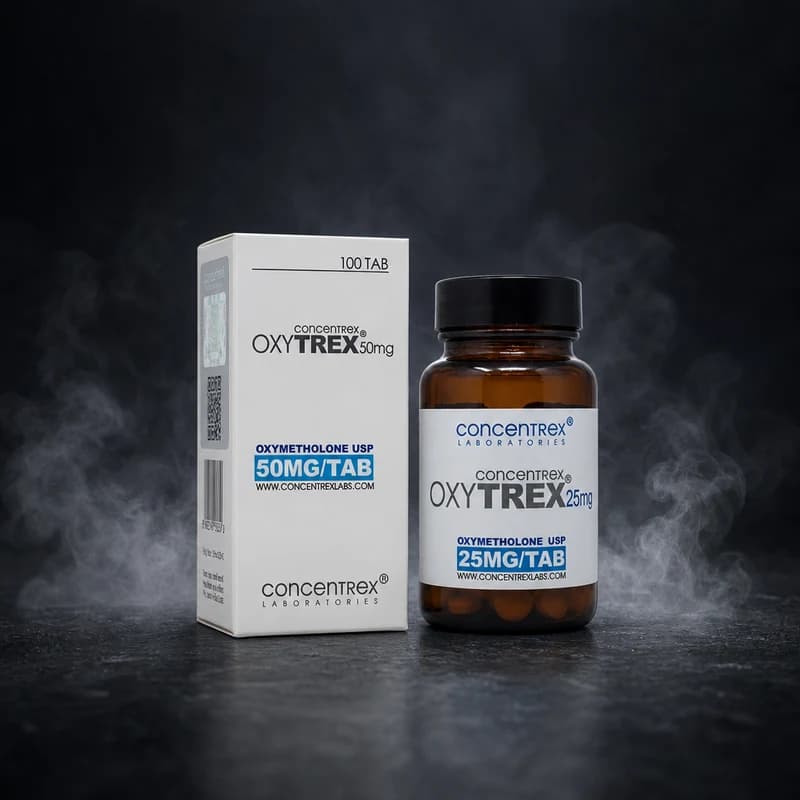
Oxymetholone (Anadrol) is a 17α-alkylated oral androgen whose hepatic passage creates a baseline enzyme burden that becomes acutely dangerous when combined with compounds that share the same metabolic liability or that independently stress overlapping physiological systems. Military Pharma Anadrol supplies Oxymetholone at 50 mg per tablet, 100 tablets per pack — a format that places the practitioner in control of cumulative exposure, provided the concurrent compound selection does not undermine that control. Understanding which stacks are unfavorable is as operationally important as understanding dose itself.
Combinations That Amplify Hepatic Load
Oxymetholone combined with any second 17α-alkylated oral produces a hepatotoxic burden that is additive rather than neutral. Compounds such as oral Stanozolol, Methasterone, or oral Trenbolone — each carrying their own ALT/AST elevation trajectory — push combined enzyme excursion into a range where tissue injury, rather than impaired signalling, becomes the operative risk. Compared to a single-oral protocol at equivalent total androgenic load, a dual-oral stack consistently generates steeper and more sustained transaminase elevation as measured by sequential liver enzyme panels across the cycle window. The 50 mg per tablet concentration of Military Pharma Anadrol means practitioners can quantify their Oxymetholone contribution precisely; adding a second hepatotoxic oral eliminates the value of that precision because the cumulative burden is no longer attributable to a single compound.
Combinations That Stress the Cardiovascular System
Oxymetholone suppresses HDL cholesterol and elevates hematocrit through its erythropoietic mechanism, both of which increase whole-blood viscosity and reduce vascular compliance. Stacking Oxymetholone with aggressive loop diuretics compounds the viscosity problem by reducing plasma volume against a backdrop of elevated red-cell mass — a combination that elevational echocardiographic studies associate with measurable left-ventricular wall stress. High-dose stimulant compounds, including certain peptide secretagogues used for appetite suppression, add a tachycardic dimension that further elevates cardiac workload in this context.
Progestin Cross-Reactivity and Stacking Risk
Oxymetholone carries documented progestin receptor activity independent of its androgenic signalling. Combining it with compounds that also engage the progesterone receptor — Nandrolone and Trenbolone are the primary candidates — generates a combined progestogenic signal that exceeds what either compound produces independently, increasing the likelihood of progesterone-mediated side effects without additional anabolic return. This is the category of unfavorable combination most frequently underestimated in standard stack planning.
Manufacturing Accuracy and Its Relevance to Combination Safety
Military Pharma's batch-release process subjects each Oxymetholone lot to HPLC content assay before dispatch, confirming that the 50 mg per-tablet declared content is the actual delivered dose. When building any multi-compound protocol, per-unit dosing accuracy in the oral component anchors the entire pharmacological calculation; inaccurate tablet content in a combination setting makes it impossible to isolate which compound is responsible for an adverse signal during monitoring.

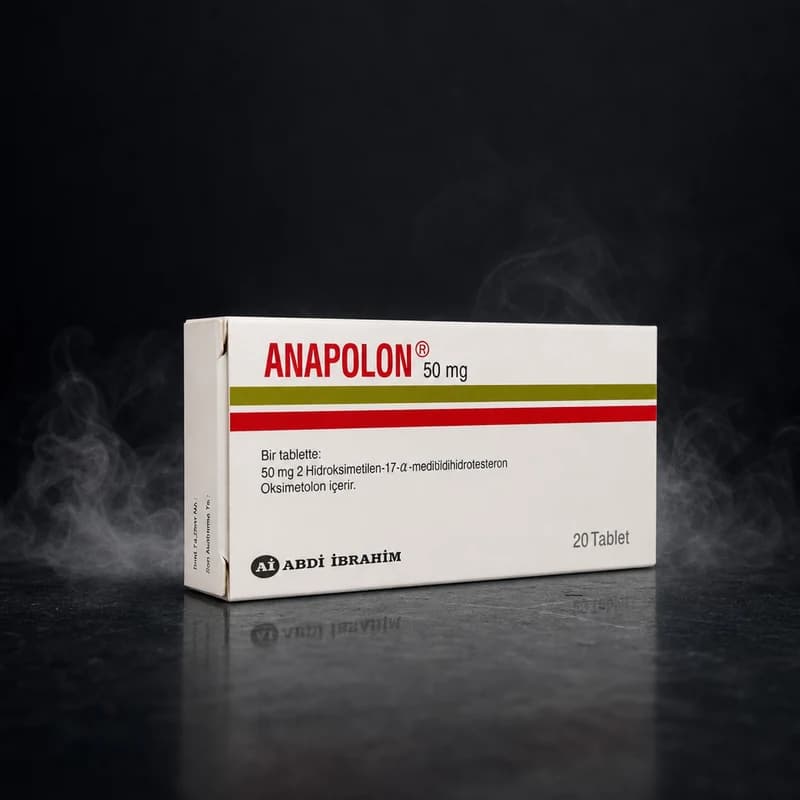 Lab Tested