Oxymetholone and SARMs: Defining the Combination Category
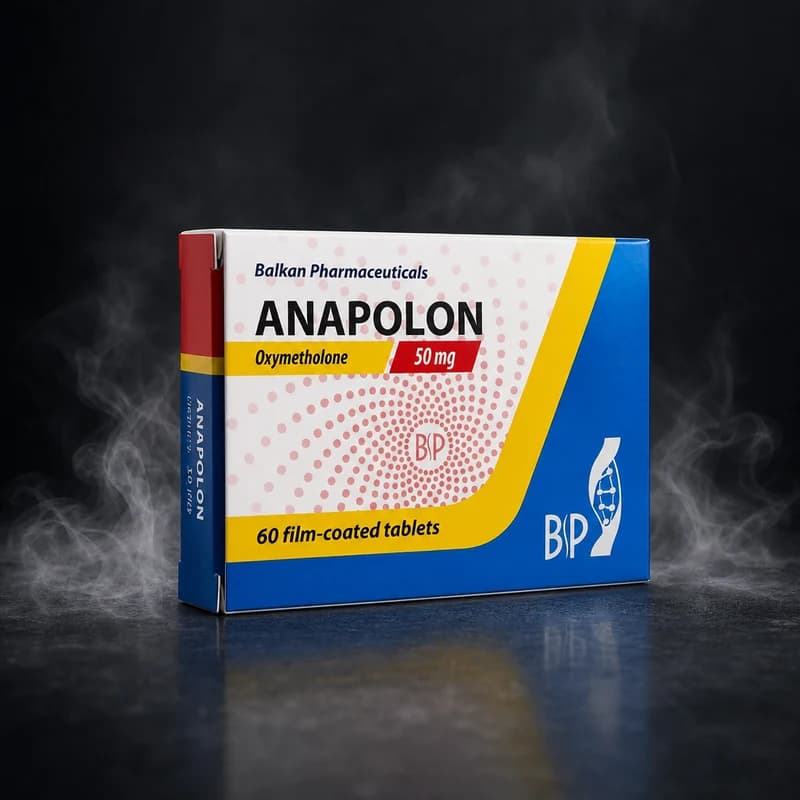
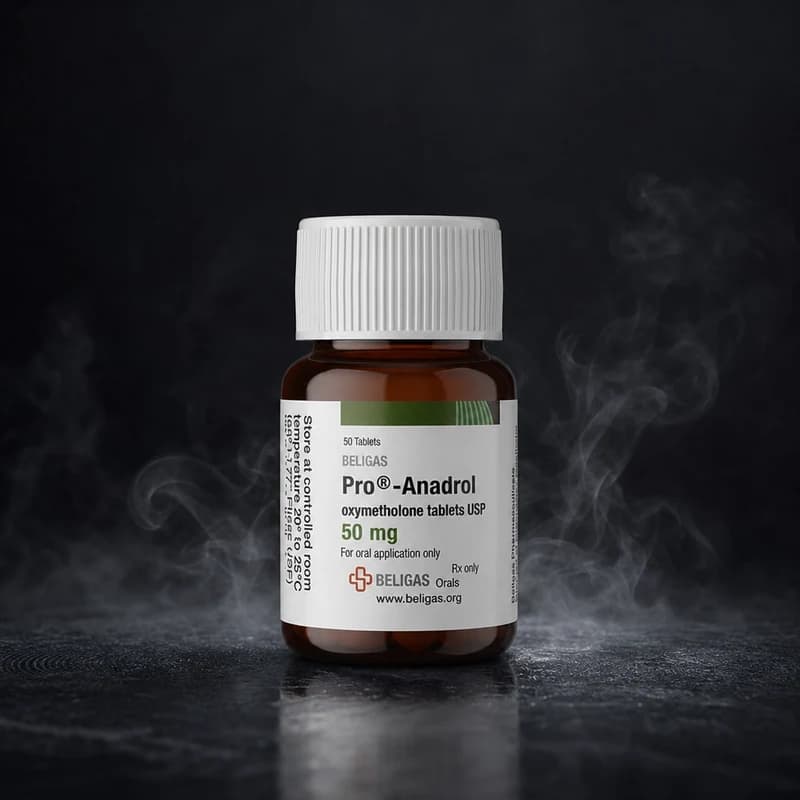
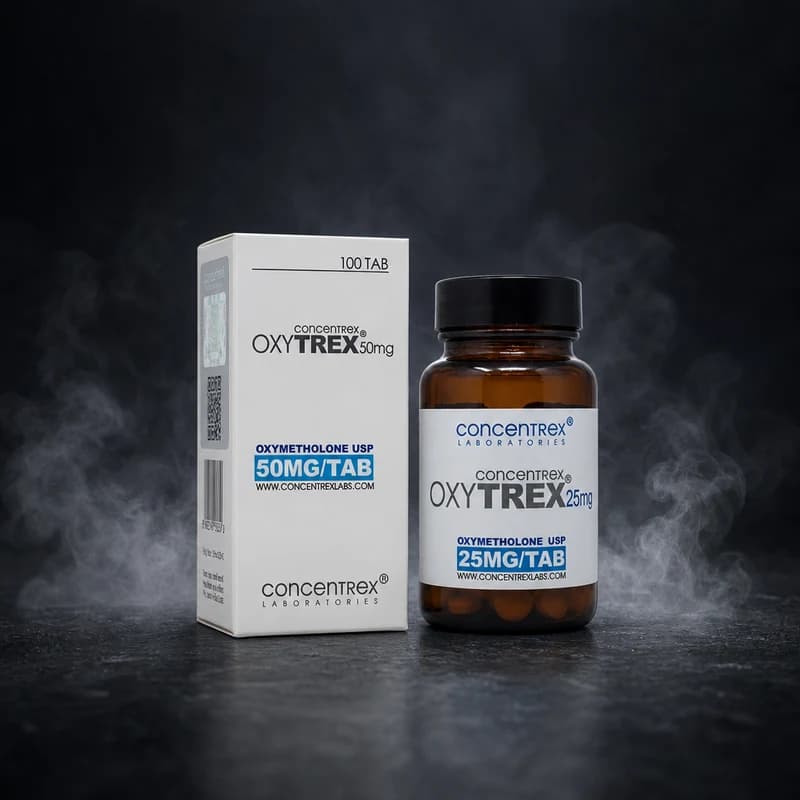
Omega Meds Anadrol 50 is an oral androgenic compound that occupies a mechanistically distinct receptor role from selective androgen receptor modulators, making it a structurally non-redundant partner within SARM-inclusive training stacks. Oxymetholone engages the androgen receptor as a full agonist with high intrinsic efficacy, while SARMs — such as Ligandrol (LGD-4033), Ostarine (MK-2866), or RAD-140 — operate as tissue-selective partial or full agonists calibrated to preferentially target muscle and bone over androgenic tissues. This mechanistic separation means the two compound classes contribute to anabolic signalling through the same receptor family but with different tissue-distribution profiles and intrinsic activity ceilings, classifying their co-administration as complementary rather than redundant.
How Oxymetholone Interacts with Common SARM Protocols
Oxymetholone delivers a pronounced erythropoietic stimulus — measurable as rising haematocrit values within the first two weeks of administration — that no currently available SARM replicates at any dose. Compared to RAD-140 used alone, Oxymetholone adds a red-cell mass expansion component that broadens the anabolic arc beyond what AR-selective modulation can generate independently, according to pharmacodynamic profiling data from androgen receptor pathway studies. Ostarine-based protocols frequently pair with Oxymetholone during the induction window specifically to harness this erythropoietic advantage while the SARM sustains tissue-selective anabolic activity at lower androgenic tissue burden. Ligandrol stacks with Oxymetholone are structured so that the oral androgenic phase is limited to four weeks — the evidence-supported hepatic-exposure ceiling for 17α-alkylated compounds — while the SARM continues beyond that window without shared hepatotoxic liability.
Monitoring Priorities Specific to SARM + Oxymetholone Stacks
Liver enzyme monitoring is the primary safety checkpoint: Oxymetholone carries 17α-alkylation-driven hepatotoxic potential, whereas SARMs processed through non-CYP17-alkylated pathways contribute a separate, lower-magnitude hepatic signal. ALT and AST baselines must be established before the stack begins, reassessed at the two-week mark, and evaluated again at Oxymetholone cessation — after which the SARM's residual hepatic contribution can be isolated on subsequent panels. Haematocrit readings should be tracked alongside enzyme panels, since Oxymetholone's erythropoietic drive persists independently of SARM activity and requires its own monitoring schedule distinct from standard SARM-only protocols.
Key Numbers for SARM Stack Planning
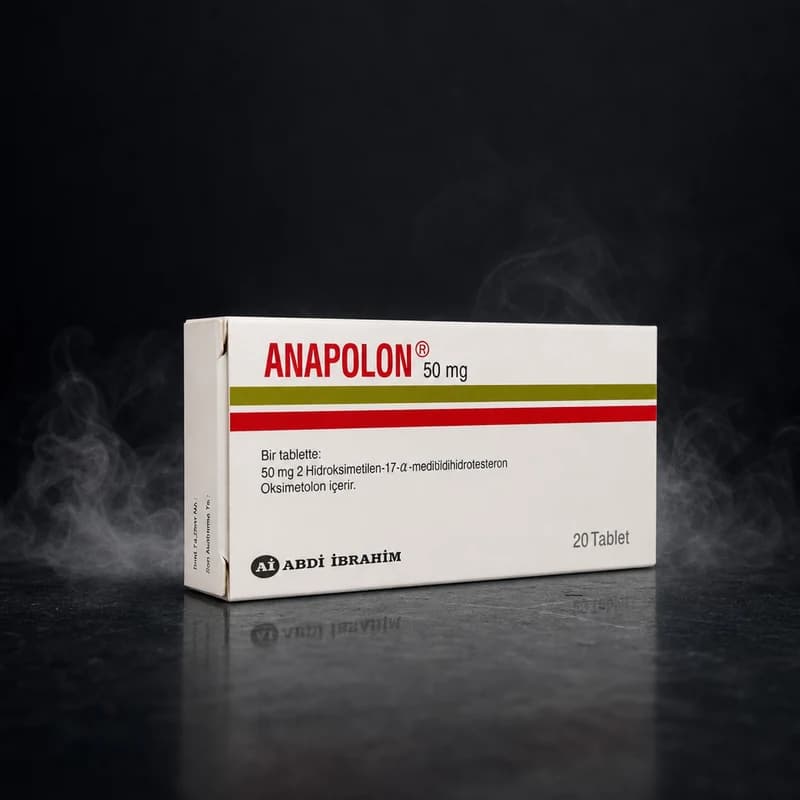
Oxymetholone's androgenic activity ceiling is reached at approximately 100 mg per day in pharmacological models, beyond which receptor saturation limits incremental anabolic return — a threshold that SARM co-administration does not raise. The 50 mg per tablet format of Omega Meds Anadrol 50 aligns exactly with the standard single-dose daily reference point for SARM stack integration, providing one fully verified unit per day without requiring tablet manipulation.

 Lab Tested