Steroid Esters Explained: Half-Life Chart and What It Means for Your Cycle
Acetate, propionate, enanthate, undecanoate — what do esters actually change? This half-life chart shows release times, real hormone content, and what it all means for your cycle length, injection schedule, and PCT start.
Steroid Esters Explained: Half-Life Chart and What It Means for Your Cycle
TL;DR
- A steroid ester is a fatty acid chain attached to the hormone that controls how fast it is released from the injection depot — it changes timing, not the anabolic effect of the molecule itself.
- Short esters (acetate, propionate) have half-lives of roughly 2–4 days and suit short cycles, frequent injections, and fast exits if side effects appear.
- Long esters (enanthate, cypionate, decanoate, undecanoate) have half-lives of 5–20+ days, allow one to two injections per week, but take 3–5 weeks to reach stable blood levels and weeks to clear.
- The ester adds dead weight: 100 mg of testosterone enanthate contains less actual testosterone than 100 mg of propionate — roughly 72 mg versus 84 mg.
- PCT timing is ester-dependent: start too early and your SERM fights still-active hormone; for enanthate wait ~14 days, for decanoate up to 3 weeks or more.
- Esters do not change side-effect categories — those come from the parent hormone — but they change how quickly problems appear and how quickly they resolve after you stop.
What a Steroid Ester Actually Is
An anabolic steroid molecule with a free hydroxyl group — testosterone, nandrolone, boldenone — dissolves poorly in oil and clears the body within hours if injected raw. Attaching a carboxylic acid (the ester) to the 17-beta hydroxyl group makes the molecule more fat-soluble, so it sits in the intramuscular oil depot and leaches into the bloodstream slowly. Esterase enzymes in the blood then clip the chain off, releasing the active, unesterified hormone. The ester itself is biologically inert ballast.
This has three practical consequences that matter more than any marketing claim on a label. First, the ester determines release kinetics: how fast levels rise, how stable they are, and how fast they fall. Second, it determines active hormone yield per milligram — a heavier ester means more of the vial's weight is chain, not hormone. Third, it determines your exit speed: if something goes wrong mid-cycle, a short ester clears in days while a long one lingers for weeks, side effects included.
One myth deserves an early burial: esters do not change what the hormone does once released. Nandrolone decanoate and nandrolone phenylpropionate are the same nandrolone in the blood — the "Deca bloat vs. NPP lean" debate is mostly a function of blood-level volatility, dosing habits, and cycle length, not magic chemistry. The head-to-head on exactly that comparison is in Equipoise Vs DECA Vs NPP Boldenone And Nandrolone Esters Compared, which walks through the boldenone and nandrolone ester families in detail.
The Half-Life Chart: Reference Numbers
Half-life is the time for half the released hormone to clear from circulation. Published values vary between sources — depot release, injection site, and individual metabolism all play a role — so treat the figures below as practical ranges rather than laboratory constants.
Ester | Approx. half-life | Common parent hormones | Active hormone yield (approx.) | Typical injection frequency |
|---|---|---|---|---|
None (suspension) | Hours | Testosterone | ~100% | Daily or pre-workout |
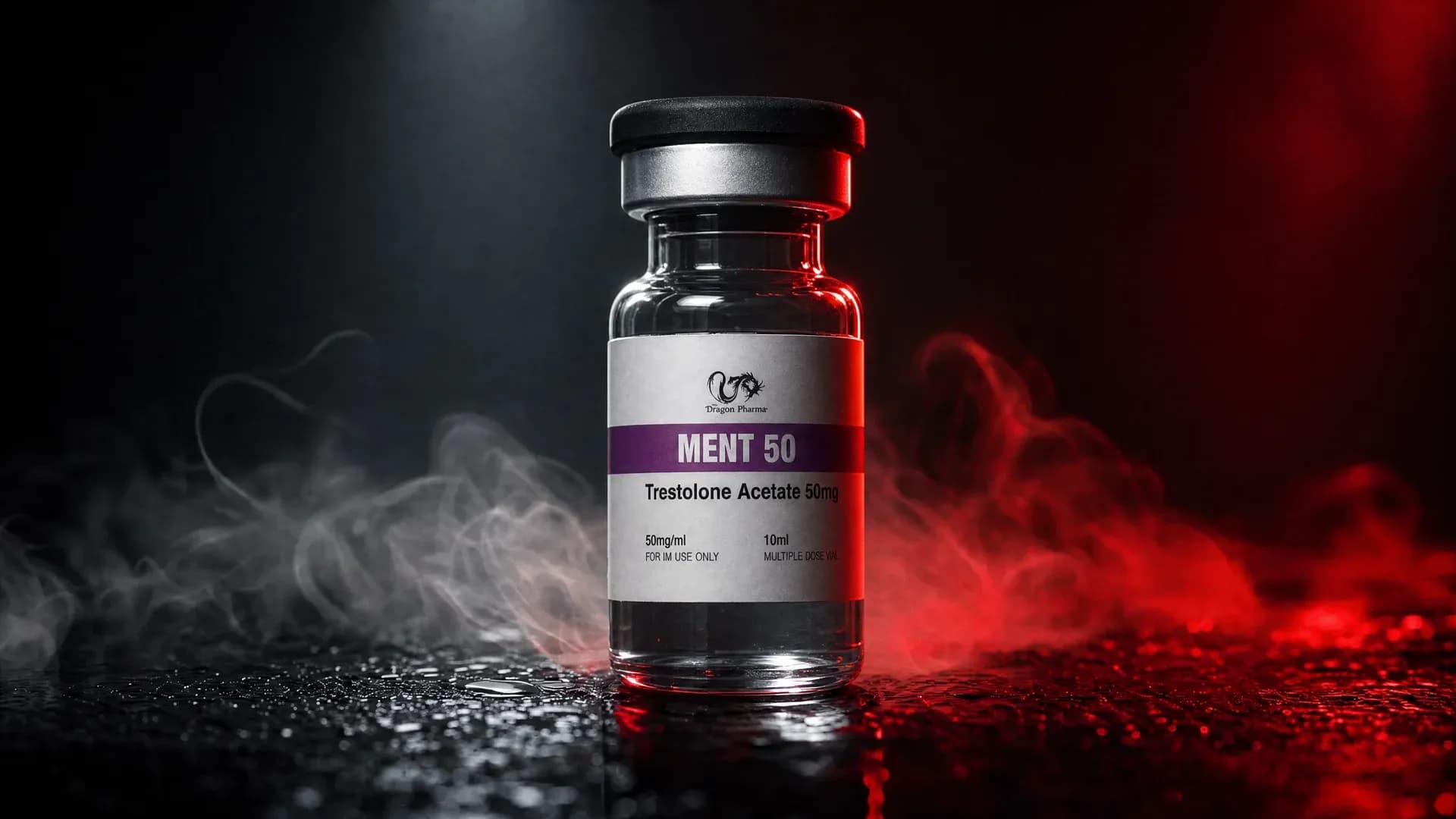
Acetate | ~2–3 days | Trenbolone, testosterone | ~87% | Every day / every other day |
Propionate | ~2–4 days | Testosterone, drostanolone | ~84% | Every other day |
Phenylpropionate | ~4–5 days | Nandrolone (NPP), testosterone | ~68% | 2–3× per week |
Enanthate | ~4.5–7 days | Testosterone, methenolone, trenbolone | ~72% | 2× per week |
Cypionate | ~5–8 days | Testosterone, DHB | ~70% | 1–2× per week |
Undecylenate | ~14 days | Boldenone (Equipoise) | ~60% | 1–2× per week |
Decanoate | ~6–12 days | Nandrolone, testosterone | ~62% | 1–2× per week |
Undecanoate | ~16–34 days | Testosterone | ~61% | Every 2–4 weeks (clinical) |
Mixed-ester blends like Sustanon combine several of these in one vial — propionate, phenylpropionate, isocaproate, and decanoate in the classic formulation — with the marketing promise of "fast onset plus long tail." The reality is a compromise: the short esters are wasted at weekly injection frequency, so blends still benefit from two to three injections per week.
The yield column is worth a second look. On paper, 500 mg of testosterone propionate delivers meaningfully more free testosterone than 500 mg of enanthate. In practice the difference is small enough that total weekly hormone and injection discipline matter more — but it explains why milligram-to-milligram comparisons across esters are never exact.
What Half-Life Means for Blood Levels and Injection Frequency
Every injection creates a peak followed by a decline. Inject again before the previous dose has decayed, and levels accumulate toward a plateau — steady state — which takes roughly four to five half-lives. This is why long-ester cycles "don't kick in" for three to five weeks: the hormone is working from week one, but serum concentrations are still climbing.
The injection frequency rule of thumb is simple: inject at intervals of about half the half-life, or shorter. Enanthate at 3.5-day intervals (Monday/Thursday) keeps levels within a narrow band. The same ester injected once per week produces a noticeable peak-to-trough swing, and with it fluctuating oestradiol, mood, libido, and water retention. Short esters leave no room for laziness — propionate injected twice a week produces a hormonal rollercoaster that many users misread as "bad gear."
Short esters are also why compounds like trenbolone acetate demand daily or every-other-day pinning; Acetate 150 at 150 mg/ml is a typical example of the acetate format, where the entire appeal — precise control and rapid clearance — evaporates if you dose it like a long ester. Mid-length esters sit in the practical sweet spot for most users: compounds like DHB cypionate, sold as 1-Test Cyp 100 100mg/ml 10ml Vial by Dragon-Pharma, ride on the cypionate half-life of roughly 5–8 days, so a Monday/Thursday split keeps levels stable without the pinning schedule becoming a part-time job.
The inverse applies to clearance. After your last enanthate injection you remain "on" for roughly two weeks; after undecanoate or decanoate, for three to six weeks. During that tail you are still suppressed, still aromatising, and still carrying the cardiovascular load — just at declining intensity. Planning a cycle without planning its tail is planning only half of it.
Ester Choice, Cycle Length, and Kick-In Times
The ester should fit the cycle architecture, not the other way around:
- Short cycles (6–8 weeks): only short esters make sense. A 6-week enanthate cycle spends nearly its entire first half saturating and its entire last half tapering — the productive middle is a few weeks at best. Propionate and acetate reach useful levels within days.
- Standard cycles (10–14 weeks): enanthate and cypionate are the rational choice. Saturation by weeks 3–4, a long productive plateau, and a clearance tail of about two weeks.
- Long cycles (14–20+ weeks): decanoate and undecylenate justify their slow kinetics only here. Boldenone undecylenate barely reaches steady state by week 6 — running it for 10 weeks is paying the suppression cost for a product you barely used.
Frontloading — doubling the first week's dose to saturate faster — is mathematically sound but practically overrated: it front-loads the side effects too, and saving two weeks of ramp-up rarely changes the outcome of a 12-week cycle. The more reliable accelerator is simply choosing the right ester in the first place.
One adjacent note: orals have no ester at all, which is why they behave entirely differently — hours-long half-lives, multiple daily doses, and first-pass liver strain. The timing logic for that class is covered in Oral Steroids Half Lives Timing Windows Liver Protection. Everything in this article concerns the injectable depot format; the Injectable Steroids range is where these ester variants live in practice, from propionate through undecanoate.
Ester-Specific Risks and Side Effects
The side-effect categories come from the parent hormone — testosterone aromatises, nandrolone is progestogenic, trenbolone is neither but carries its own neuropsychiatric and cardiorenal baggage. What the ester changes is the risk dynamics:
- Volatile levels amplify estrogenic sides. Spiky testosterone curves mean spiky oestradiol. Users on sloppy long-ester schedules or underdosed short esters often report more water retention, mood swings, and gyno symptoms than their total milligrams would predict.
- Long esters trap you. Develop unacceptable blood pressure, a hematocrit of 0.56, or psychiatric symptoms on week 8 of a decanoate cycle, and you are riding that compound down for another month after your last shot. Short esters let you abort a cycle in days. For any compound you have never run before, the short ester is the lower-risk audition.
- Short esters mean more injections, and more injections mean more injection problems. Post-injection pain, sterile abscesses, and scar tissue scale with pinning frequency. Propionate and acetate are also notorious for harsher pip than their long counterparts.
- PIP is partly an ester property. Short-chain esters crystallise more readily in tissue and are more irritating — part of propionate's reputation is chemistry, not just concentration.
- Suppression is total regardless of ester. There is no "light" ester that spares your HPTA. Every entry on the chart shuts natural production down; only the timeline of suppression and recovery shifts.
Bloodwork, Clearance, and PCT Timing
Ester kinetics dictate your testing calendar. Blood drawn at week 3 of an enanthate cycle measures a system still ramping up; blood drawn at week 6 measures the plateau. For long esters, mid-cycle bloodwork belongs around weeks 5–7, not earlier.
PCT timing is the most commonly botched ester calculation in the entire practice. A SERM started while exogenous hormone is still suppressive accomplishes little — you are paying side effects for a restart that cannot happen. Reasonable minimum gaps after the last injection:
Ester cleared | Wait before PCT (approx.) |
|---|---|
Acetate / propionate | 3–5 days |
Phenylpropionate | 7–10 days |
Enanthate / cypionate | ~14 days |
Decanoate / undecylenate | 18–21+ days |
Recovery is verified with post-PCT bloodwork — LH, FSH, total testosterone — three to four weeks after the protocol ends, not assumed from "feeling fine." And a hard rule that overrides everything above: if mid-cycle bloodwork shows haematocrit, lipids, or blood pressure drifting badly, the correct response is dose reduction or stopping — with a long ester, stopping now still means weeks of elevated levels, which is the strongest argument for choosing shorter esters when your monitoring discipline is unproven.
FAQ
Does a longer ester build more muscle than a short one?
No. Once cleaved, the hormone is identical regardless of the ester it arrived on. A long ester on a sufficiently long cycle may produce steadier levels and slightly better average exposure, but the difference is marginal. What builds muscle is the total dose of free hormone over time, your training, and your diet. The ester only decides the delivery schedule — pick it to match your cycle length and injection tolerance.
Why does my long-ester cycle "not feel like anything" for the first weeks?
Because serum levels are still climbing toward steady state, which takes roughly four to five half-lives — about three to four weeks for enanthate, longer for decanoate. You are not being scammed and the compound is not bunk. Strength, recovery, and bodyweight changes typically become obvious between weeks 3 and 6. If nothing has changed by week 7 at a reasonable dose, then bloodwork to verify actual serum levels is justified.
Why do propionate and acetate injections hurt more than enanthate?
Short-chain esters are more irritating to tissue: they crystallise more easily at the injection site and are often brewed at higher solvent concentrations to stay in solution. The result is the notorious post-injection pain — soreness, swelling, sometimes a limp for days. Mitigations include lower concentrations, smaller volumes per site, warming the oil, slow injection, and strict site rotation. Pain with heat, spreading redness, or fever indicates infection, not normal pip.
Can I mix two different esters in the same syringe?
Yes, provided both are oil-based injectables — drawing two compounds into one syringe is standard practice and halves your injection count. Never mix oil-based and water-based preparations (like testosterone suspension) in one pin. Keep total volume per site reasonable, generally under 3 ml for large muscles, and remember that the blend's kinetics follow each ester independently — the short one still demands frequent dosing even if it shares a syringe with a long one.
When should I start PCT after a nandrolone decanoate cycle?
Later than most people think. Decanoate's half-life of roughly 6–12 days, plus depot release, means suppressive levels persist for three weeks or more after the final injection. Starting a SERM at day 10 wastes it against still-active hormone. A common convention is waiting 18–21 days minimum, and some push to a full month on long deca cycles. Bloodwork before starting PCT — showing levels genuinely declining — beats any fixed calendar rule.
Is frontloading a long ester worth it?
Rarely. Doubling the first week's dose does shorten the ramp to steady state from four weeks to roughly two, and the arithmetic behind it is sound. But it also doubles early estrogenic and androgenic load, and the practical payoff — two extra weeks of full levels inside a 12-week cycle — is modest. Most users are better served by starting the planned dose, accepting the ramp, and using the early weeks to dial in training, diet, and injection routine.
Conclusion
Esters are a delivery mechanism, and once you understand that, most of the mythology around them dissolves. The chart is the whole tool: half-life tells you how often to inject, when the cycle actually starts, when it actually ends, and when PCT can begin. Short esters buy control and fast exits at the cost of frequent, often painful injections; long esters buy convenience and stable levels at the cost of slow onset and a long tail you cannot shortcut if things go wrong. None of this reduces the underlying risks — suppression is guaranteed on any ester, and the cardiovascular, estrogenic, and fertility consequences belong to the parent hormone and the dose, not the chain attached to it. If you are under roughly 25, have pre-existing blood pressure, lipid, or haematological problems, or cannot commit to baseline, mid-cycle, and post-PCT bloodwork, the correct decision is not to run a cycle at all — no ester selection changes that. For everyone else, the discipline is the same as it has always been: match the ester to the cycle length, inject on schedule rather than on vibes, draw blood at the right weeks, and respect the clearance tail before you touch a SERM. The chemistry is predictable. The people who get hurt are the ones who refuse to plan around it.