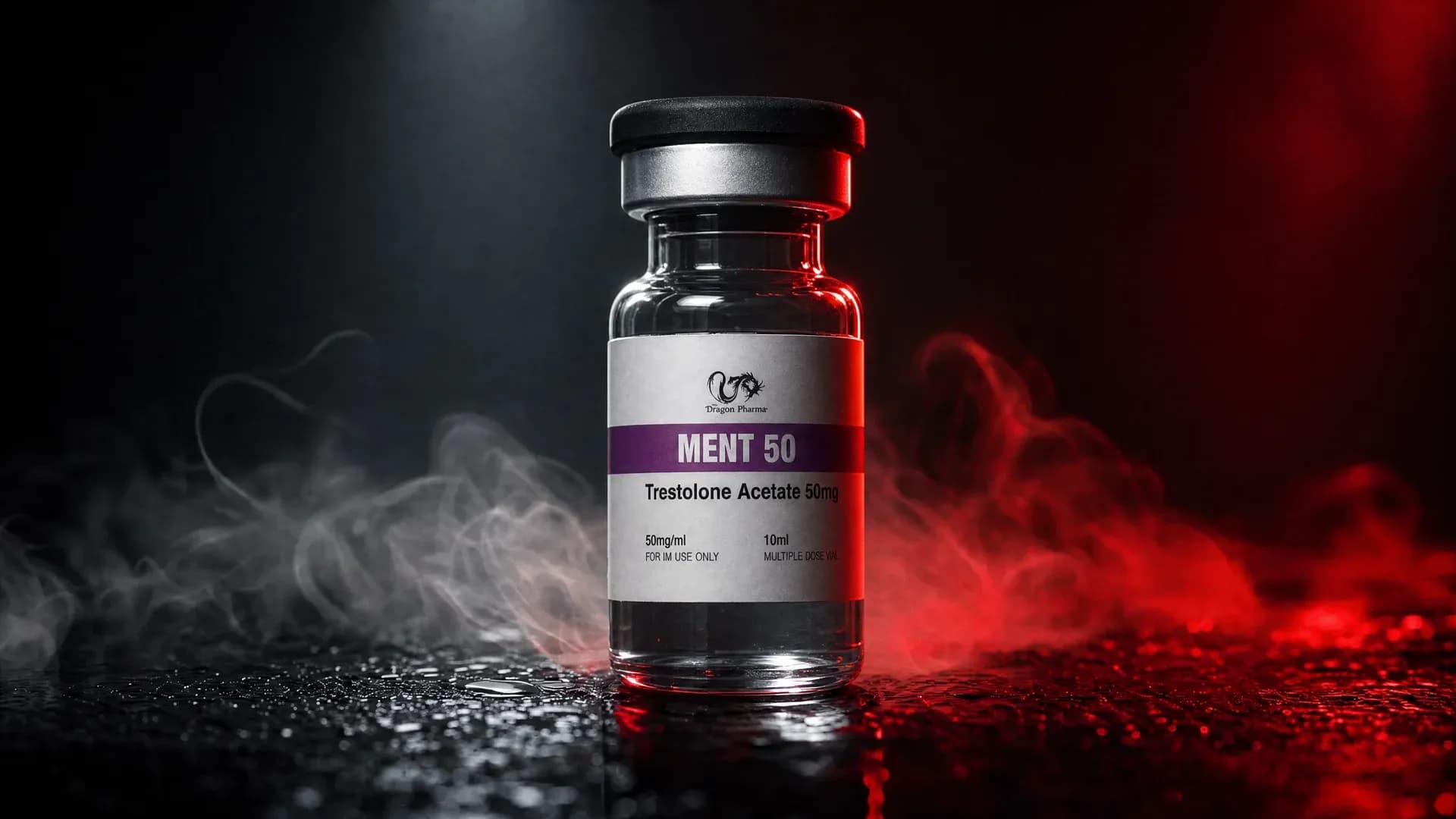
Best Bulking Cycle: Compound Selection for Lean Mass
What makes the best bulking cycle? This guide breaks down compound selection — from a testosterone-only beginner cycle to adding nandrolone — and explains why calorie control, bloodwork, and side-effect management decide your lean mass results.
Best Bulking Cycle: Compound Selection for Lean Mass
TL;DR
- Every sensible bulking cycle is built on a testosterone base at 400–500 mg per week; additional compounds are layered on top only when experience and bloodwork justify them.
- The most evidence-aligned mass builders are testosterone, nandrolone decanoate, and boldenone undecylenate among injectables, and Dianabol or Anadrol as oral kick-starts — each with a distinct side-effect profile that dictates who should use it.
- A beginner bulking cycle is testosterone alone for 12–14 weeks; intermediate users typically add nandrolone at 300–400 mg per week.
- Lean mass gains depend more on a controlled calorie surplus of 300–500 kcal than on compound selection — steroids amplify nutrition, they do not replace it.
- Aromatisation, haematocrit, blood pressure, and lipids are the four variables that decide whether a bulk is sustainable; all four require scheduled bloodwork, not guesswork.
- PCT timing depends on the longest ester in the stack, and recovery must be confirmed with post-PCT blood tests before planning the next cycle.
What Makes a Good Bulking Cycle
A bulking cycle has one job: create a hormonal environment in which a calorie surplus is preferentially partitioned into muscle tissue rather than fat. That sounds simple, but it explains every rule of rational compound selection. The goal is not maximum androgen exposure — it is the best ratio of anabolic effect to side-effect burden at a dose your monitoring can support.
Three principles govern compound choice. First, testosterone is the base of essentially every defensible cycle. It is the reference anabolic, the most studied compound in the class, it aromatises in a predictable and manageable way, and it maintains the physiological functions that depend on androgens and oestradiol while natural production is shut down. Second, add one new compound per cycle, not three. When side effects appear on a four-compound stack, you cannot identify the culprit, and the only safe response is to stop everything. Third, longer cycles do not mean proportionally more muscle. Most of the measurable lean mass gain occurs between weeks 4 and 12; extending to 20 weeks mainly extends suppression, haematocrit drift, and lipid damage.
The distinction between "mass" and "lean mass" also matters. Wet compounds like high-dose testosterone, Dianabol, and Anadrol produce dramatic scale weight — much of it intracellular water and glycogen that partly disappears post-cycle. Drier compounds produce slower, keepable gains. A well-designed lean bulk accepts slower weekly progress in exchange for tissue that survives PCT. Expect roughly 4–8 kg of genuine lean tissue from a well-run first cycle, not the 15 kg that forum posts advertise.
Compound Selection: The Core Options
The injectable compounds that dominate European bulking practice fall into a handful of well-characterised options, all available within the broader Injectable Steroids range. What follows is an honest comparison, including the compounds worth avoiding.
Testosterone (enanthate or cypionate) remains the foundation. At 400–500 mg per week it delivers the majority of what a first or second cycle can deliver. Its side effects — aromatisation, haematocrit rise, HDL suppression — are dose-dependent, well mapped, and correctable mid-cycle.
Nandrolone decanoate (Deca) is the classic second compound. At 300–400 mg per week alongside testosterone it adds substantial anabolic drive with comparatively low androgenic load on skin and hair. Its costs are real: nandrolone does not aromatise much but is progestogenic, can elevate prolactin, and is notorious for sexual dysfunction ("deca dick") and, in some users, flat or depressed mood. It also suppresses recovery more stubbornly than testosterone alone, and metabolites remain detectable for many months. Keeping testosterone at or above the nandrolone dose and monitoring prolactin mid-cycle are the standard mitigations.
Boldenone undecylenate (Equipoise) offers slower, drier gains and a strong appetite increase — useful for hard gainers. Its drawbacks are a very long ester (meaning long clearance before PCT), a pronounced effect on haematocrit and red blood cell count, and anxiety-like symptoms in a subset of users.
Orals as kick-starts. Dianabol at 20–30 mg per day for the first 4–6 weeks provides rapid strength and fullness while long esters saturate. Anadrol at 50 mg per day is stronger still but harsher on appetite, blood pressure, and subjective wellbeing. Both are 17-alpha-alkylated and hepatotoxic; six weeks is the rational ceiling, and liver enzymes must be checked.
Trenbolone deserves mention only as a caution. It is the most powerful mass compound per milligram and one of the worst for cardiovascular strain, sleep, mood, and lipid profile. It has no place in a beginner or intermediate lean bulk, and the harm-reduction position is straightforward: the marginal gains over a testosterone–nandrolone stack do not justify its side-effect profile for most users.
Sample Bulking Cycle Protocols
The following protocols reflect dosing norms that recur across European harm-reduction and clinical literature on supraphysiological androgen use. They are descriptions of common practice, not recommendations.
Level | Compounds and weekly doses | Duration | Notes |
|---|---|---|---|
Beginner | Testosterone enanthate 400–500 mg | 12–14 weeks | Two injections per week; mid-cycle E2 and haematocrit check |
Beginner with kick-start | Testosterone 400–500 mg + Dianabol 20–30 mg/day weeks 1–5 | 12 weeks | Liver enzymes at baseline and week 6 |
Intermediate | Testosterone 400–500 mg + nandrolone decanoate 300–400 mg | 14 weeks | Prolactin and E2 monitored; test ≥ deca dose |
Intermediate (dry bulk) | Testosterone 400–500 mg + boldenone 400–500 mg | 14–16 weeks | Watch haematocrit closely; long PCT gap |
Advanced | Testosterone 500–750 mg + nandrolone 400–500 mg + oral kick-start | 14–16 weeks | Only with full bloodwork discipline |
Some users opt for pre-made blends that combine a testosterone ester mix with nandrolone or boldenone in a single vial, such as MASS-600, mainly to reduce injection volume. The trade-off is inflexibility: with a fixed-ratio blend you cannot adjust one compound independently, so if nandrolone-related side effects appear, your only lever is lowering the entire stack. For anyone still learning their individual response, separate vials are the more controllable option.
Two scheduling rules apply across all rows. Injections are split into at least two per week to flatten hormone peaks, and no oral runs longer than six weeks. After any of these cycles, an equal amount of time off — measured from the end of PCT, not the last injection — is the minimum before another cycle is considered.
Nutrition, Training, and Timing
Compound selection fails without the other half of the equation. Steroids increase the rate at which a surplus becomes muscle; they do not create the surplus and cannot redirect an undisciplined one. A bulk on 500 mg of testosterone with chaotic eating produces a fatter, more aromatised version of the same person.
The practical framework is modest. A surplus of roughly 300–500 kcal above maintenance, protein at 1.8–2.2 g per kilogram of bodyweight, and a bodyweight gain target of about 0.25–0.5% per week keeps fat accumulation proportional. Gaining faster than that on cycle mostly means gaining water and adipose tissue that a later cut must remove. If the scale stalls for two weeks, add 150–200 kcal — do not reach for a higher dose. Progressive overload still drives adaptation: the enhanced recovery from androgens allows more frequent, higher-volume training, and that extra productive volume is where much of the benefit actually comes from.
Sleep deserves the same seriousness as macros. Seven to nine hours is where recovery and hormonal signalling consolidate, and compromised sleep shows up in the same bloodwork markers — blood pressure, glucose handling, mood — that the cycle itself stresses.
Timing across the year also matters. A 12–16 week bulk followed by PCT and a holding phase flows naturally into a fat-loss phase later; the logic of that sequence, including how compound selection changes when calories drop, is covered in our companion piece on the Best Cutting Cycle. Planning both phases before starting the first injection prevents the classic mistake of bulking indefinitely because the scale looks good.
Side Effects and Risks
Every bulking compound carries the same core risk set, with compound-specific additions. Stating them plainly:
- Suppression is guaranteed. Exogenous androgens shut down natural testosterone production within weeks on any effective dose. This is not a risk to mitigate but a certainty to plan around — hence PCT.
- Estrogenic effects — water retention, blood pressure elevation, gynecomastia — scale with aromatising dose. Oestradiol should be managed by bloodwork with an aromatase inhibitor only when numbers justify it, never prophylactically from day one; crashed oestradiol damages lipids, joints, mood, and libido as surely as high oestradiol damages blood pressure.
- Cardiovascular strain is the most serious long-term concern: HDL suppression, rising haematocrit, elevated blood pressure, and with sustained heavy use, adverse cardiac remodelling. Nandrolone and orals worsen the lipid picture beyond testosterone alone.
- Androgenic effects — acne and accelerated male-pattern baldness in the genetically predisposed — are milder with nandrolone and boldenone than with high-dose testosterone or orals, but not absent.
- Hepatotoxicity applies to all 17-alpha-alkylated orals. Six-week limits and mid-cycle liver panels are not optional extras.
- Prolactin and progestogenic effects are specific to nandrolone: sexual dysfunction, mood changes, and in rare cases prolactin-driven gynecomastia that aromatase inhibitors cannot fix.
- Fertility is suppressed for the duration of the cycle and sometimes for months after; anyone planning children in the near term should not be cycling.
Do not run a bulking cycle if you are under roughly 25, if baseline bloodwork shows abnormal lipids, liver values, or haematocrit, if you have uncontrolled hypertension, or if you cannot commit to the monitoring schedule below. If any of those apply, the correct answer is to wait.
Bloodwork, Monitoring, and PCT
Monitoring is what separates a managed cycle from an experiment on yourself. Three blood draws define the minimum: baseline (two to four weeks before the first injection), mid-cycle (week 5–7), and post-PCT (three to four weeks after the SERM protocol ends).
The panel should include total and free testosterone, LH and FSH, sensitive oestradiol, a full lipid panel, liver enzymes (ALT, AST, GGT), haematocrit and haemoglobin, and — when nandrolone is in the stack — prolactin. Blood pressure belongs on this list too, measured at home twice weekly. Haematocrit above roughly 0.54 calls for dose reduction or phlebotomy; an HDL that has collapsed by more than half argues for ending the cycle rather than extending it.
PCT timing is ester-dependent. After testosterone enanthate, wait about 14 days from the last injection. Cycles containing nandrolone decanoate or boldenone undecylenate need three weeks or more before SERMs can work against a clearing rather than suppressive background. A standard four-week protocol uses tamoxifen at 20 mg per day or enclomiphene at 12.5–25 mg per day; the pharmacological case for enclomiphene — fewer of the oestrogenic side effects associated with clomiphene's zuclomiphene isomer — is laid out in Enclomiphene For PCT The Cleaner Serm That Clomid Should Have Been. Recovery is then verified with bloodwork, not assumed from how you feel. Skipping PCT or starting it too early are the two errors that most reliably turn a good cycle into months of low mood, lost libido, and evaporating gains.
FAQ
Is testosterone alone enough for a first bulking cycle?
Yes, and for most beginners it is the rational choice. At 400–500 mg per week, testosterone delivers the large majority of what any first cycle can produce, with the most predictable and best-studied side-effect profile in the class. Adding a second compound before you know how you personally respond to aromatisation, haematocrit rise, and blood pressure changes just makes problems harder to diagnose. Learn your response on one compound first.
How much muscle can I realistically gain on a lean bulk cycle?
Honest figures for a well-run first cycle with disciplined nutrition are roughly 4–8 kg of actual lean tissue, some of which is lost during PCT. Scale weight may jump 10–15 kg, but much of that is water, glycogen, and fat. Claims of far larger gains usually reflect wet compounds, aggressive surpluses, or exaggeration. Slower, drier gains are the ones that survive after the cycle ends.
Should I use Dianabol or Anadrol as a kick-start?
Either works mechanically, but Dianabol at 20–30 mg per day is the gentler entry point: strong early strength and fullness with somewhat better tolerability than Anadrol, which more often suppresses appetite and raises blood pressure noticeably. Both are hepatotoxic and limited to about four to six weeks. Neither is necessary — a long-ester cycle works fine without a kick-start if you accept slower early weeks.
Why do people say to keep testosterone higher than Deca?
Running testosterone at or above the nandrolone dose helps maintain adequate androgen and oestradiol signalling, which nandrolone alone supports poorly. This practice reduces the incidence of the sexual dysfunction and low mood associated with nandrolone-heavy stacks, though it does not eliminate them. Prolactin monitoring remains necessary regardless of ratio, because the progestogenic mechanism is separate from aromatisation.
How long should I wait between bulking cycles?
The common minimum standard is time-on plus PCT equals time-off, counted from the end of PCT. A 14-week cycle with a four-week PCT therefore implies roughly four to five months off before the next cycle. Post-PCT bloodwork should confirm recovered LH, FSH, and testosterone, plus normalised lipids and haematocrit, before anything new is planned. Compressing this window is how suppression becomes chronic.
Can I bulk without gaining any fat?
Essentially no. Some fat gain accompanies any calorie surplus sufficient to maximise muscle growth, even with androgens improving nutrient partitioning. The realistic goal is keeping fat gain proportional — a small surplus, weekly weight targets, and waist measurements as a control. Attempting to bulk at maintenance calories wastes the cycle; attempting it with an enormous surplus creates fat that a later, harder cut must remove.
Conclusion
The best bulking cycle is rarely the most ambitious one. Testosterone at 400–500 mg per week for 12–14 weeks, with one additional compound only when experience and bloodwork justify it, covers the great majority of what lean mass pharmacology can offer — and it does so with side effects that are measurable, monitorable, and usually reversible. The compounds that dominate realistic bulking practice each carry a price: testosterone aromatises and raises haematocrit, nandrolone burdens mood, prolactin, and recovery, orals stress the liver and lipids, and trenbolone prices itself out of most rational cost-benefit calculations entirely.
Nobody should run any of this who is under 25, whose baseline bloodwork is abnormal, whose blood pressure is uncontrolled, or who cannot commit to three blood draws and a properly timed PCT. Suppression is guaranteed, cardiovascular strain is cumulative, and recovery is earned after the last injection rather than assumed. The athletes who build mass and keep it are the ones who treat bloodwork as part of the cycle, keep doses at the level their monitoring supports, and accept that the boring version of this process is also the version that works.