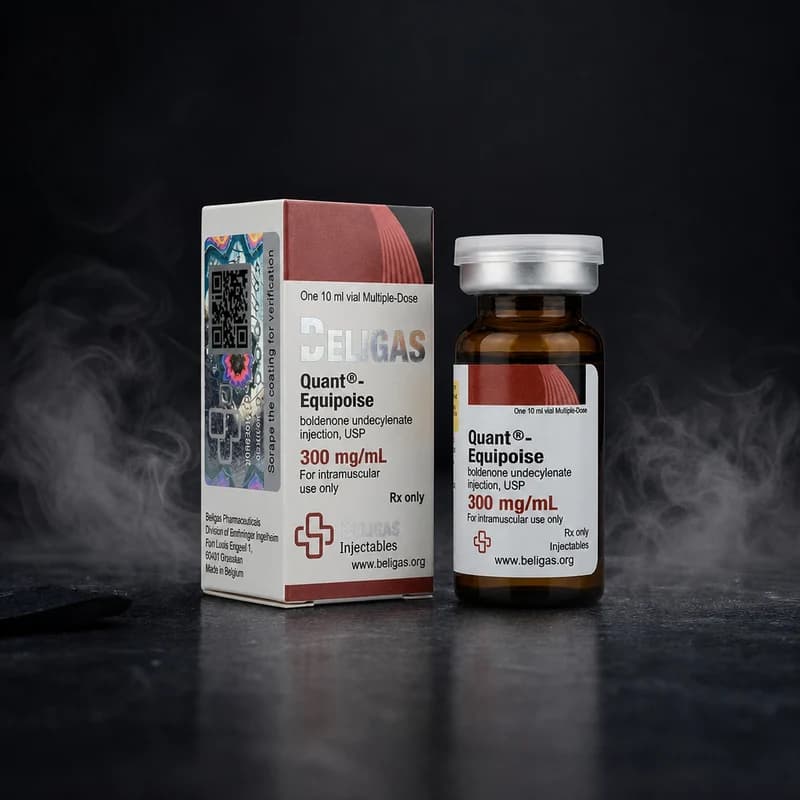
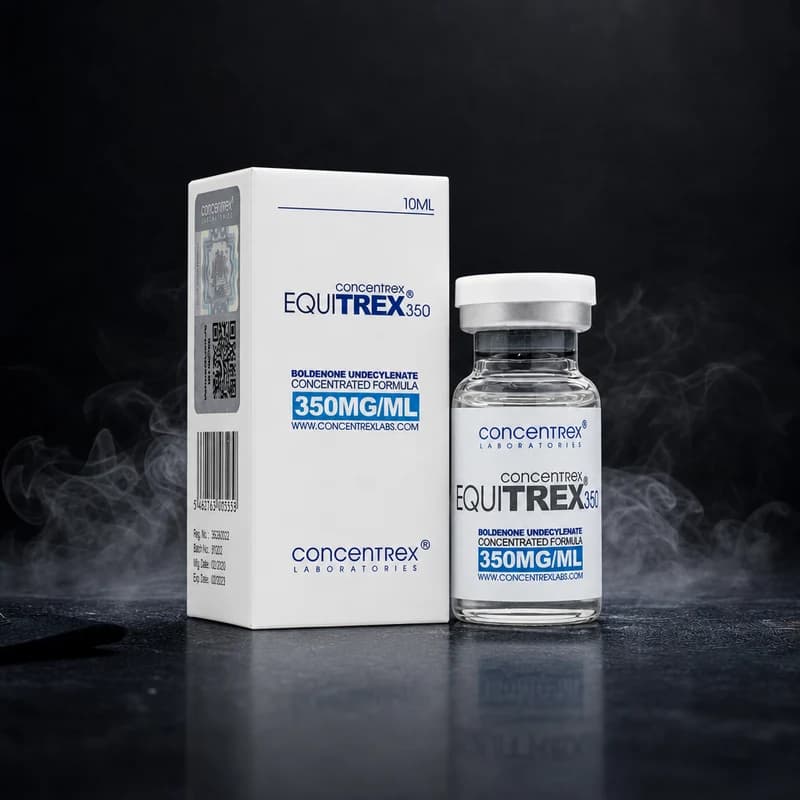
Contraindications: Testobolin-400 is contraindicated in individuals with known or suspected androgen-sensitive malignancy, active polycythaemia vera, severe hepatic impairment, or hypersensitivity to any component of the oil-based formulation including the sesame or arachis oil vehicle. Cardiovascular disease with uncontrolled hypertension represents an additional contraindication requiring physician clearance before use.
Side_Effects: Aromatase-mediated estrogen conversion may produce gynecomastia, fluid retention, or acne; the 400 mg/ml concentration means that dose measurement errors are pharmacologically amplified compared to lower-concentration products. Androgen-related alopecia progression, increased haematocrit, and suppression of endogenous gonadotropin secretion are expected at doses above physiological replacement range. Injection site reactions including transient nodule formation at the oil depot may occur, particularly with repeat administration to the same anatomical site.
Monitoring: Establish a pre-cycle blood panel covering total and free testosterone, haematocrit, LDL and HDL cholesterol, liver enzymes (ALT, AST), and LH/FSH. Repeat at cycle week 6 — timed as a mid-interval draw between injections — to capture a representative steady-state serum testosterone value rather than a post-injection peak. Haematocrit approaching 52% warrants dose reduction; LDL elevation above 30% of pre-cycle baseline requires lipid-targeted intervention and reassessment of cycle continuation.
PCT: Due to the decanoate fraction's extended clearance kinetics, initiate SERM-based PCT no earlier than 14–18 days after the final injection. Tamoxifen or clomiphene protocols should be timed to this washout window; beginning PCT while decanoate-derived testosterone remains biologically active reduces SERM efficacy by maintaining HPG suppression. Confirm HPG-axis recovery with LH, FSH, and total testosterone bloodwork at PCT weeks 2, 4, and 6.

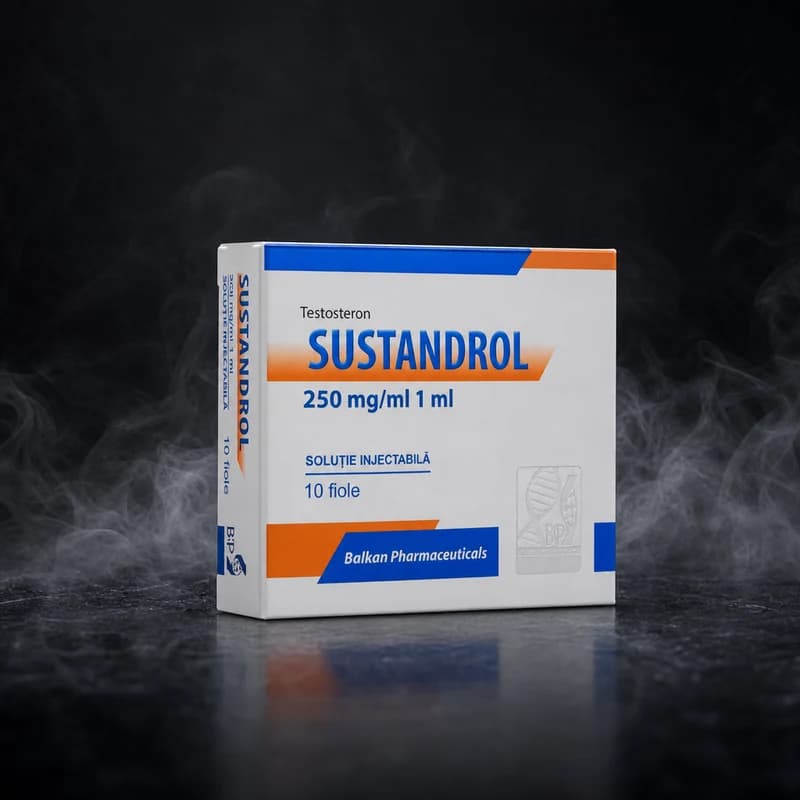 GMP Standard