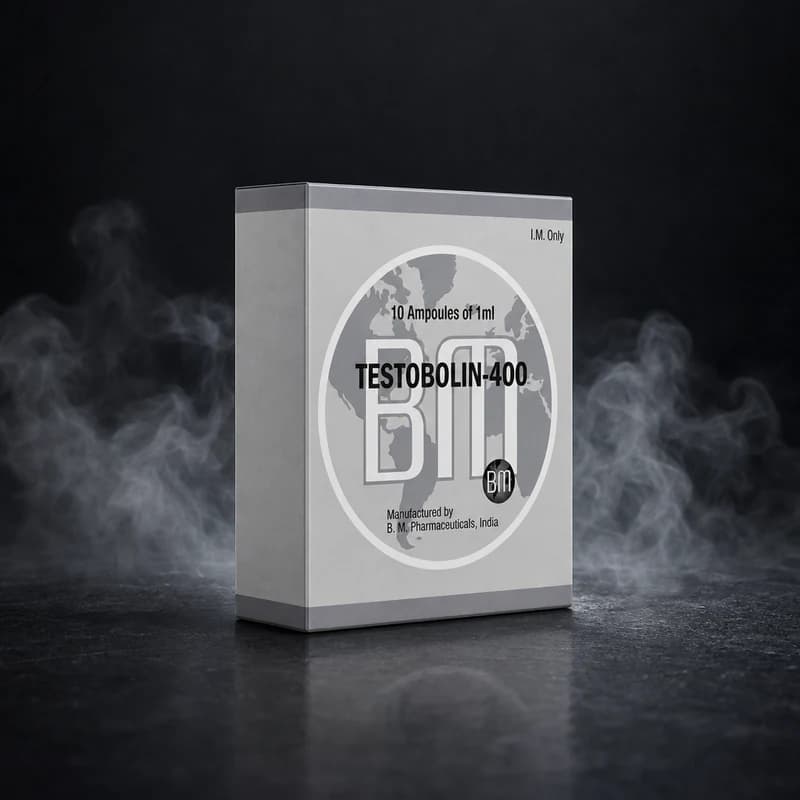
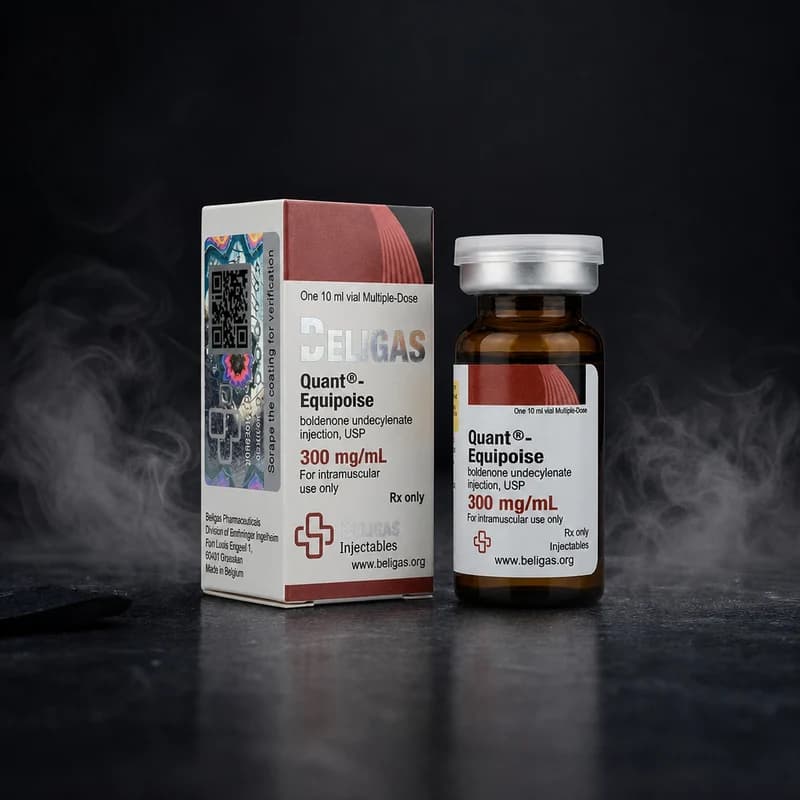
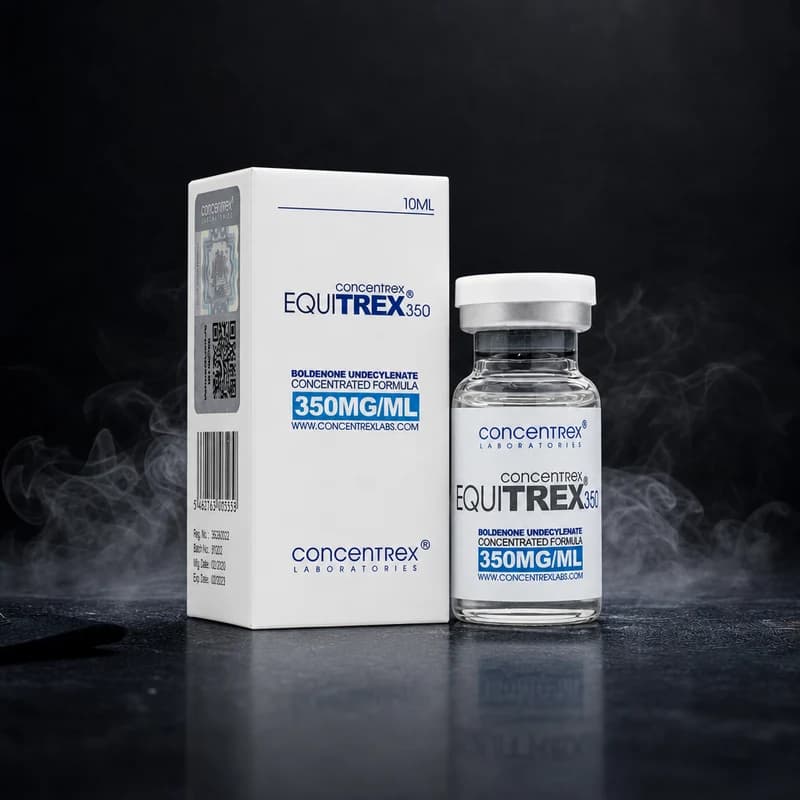
Contraindications: Suste-Testosterone 400mg is contraindicated in individuals with confirmed or suspected androgen-dependent tumours including prostate carcinoma, in patients with pre-existing polycythaemia vera, severe cardiac insufficiency, or uncontrolled hypertension. This formulation is not appropriate for paediatric use or for women who are pregnant or may become pregnant. Users with documented sensitivity to the excipient oil carrier should verify the specific vehicle composition with Beligas Pharmaceuticals before administration.
Side_Effects: Conversion of elevated exogenous testosterone to estradiol via aromatase activity presents the primary estrogenic risk at doses exceeding 400mg/week — manifesting as fluid accumulation, breast tissue sensitivity, and progressive blood pressure increase. The long-acting decanoate fraction prolongs androgenic exposure beyond the injection interval, meaning scalp sensitivity, sebaceous activity, and acne can persist for up to three weeks after the final dose. Dose-dependent increases in red blood cell mass represent a cardiovascular risk that requires active haematological surveillance. Suppression of the hypothalamic-pituitary-gonadal axis is an expected pharmacological consequence of all exogenous testosterone use and is not ester-specific.
Monitoring: Establish baseline values for haematocrit, serum PSA, hepatic transaminases, and fasting lipid panel before the first injection. Repeat haematocrit and PSA at six-week intervals throughout the cycle. Serum estradiol should be measured at cycle week 4 and adjusted against aromatase inhibitor dosing if the value exceeds 40 pg/mL. A blood draw timed 72–96 hours after the preceding injection captures the most representative steady-state testosterone concentration across this product's multi-ester kinetic profile. Lipid reassessment at cycle week 8 is the minimum standard for cardiovascular risk management.
PCT: The decanoate component of Suste-Testosterone 400mg sustains measurable serum testosterone concentrations for 18–21 days after the final injection, during which time SERM-based recovery therapy cannot meaningfully stimulate gonadotrophin release against prevailing androgenic suppression. PCT should therefore not begin before day 18–21 post-last dose. Tamoxifen and clomiphene — used individually or in combination — are the established recovery agents once the washout threshold is crossed. Gonadotrophin recovery should be confirmed by sequential LH, FSH, and total testosterone measurements at PCT weeks 2, 4, and 6.

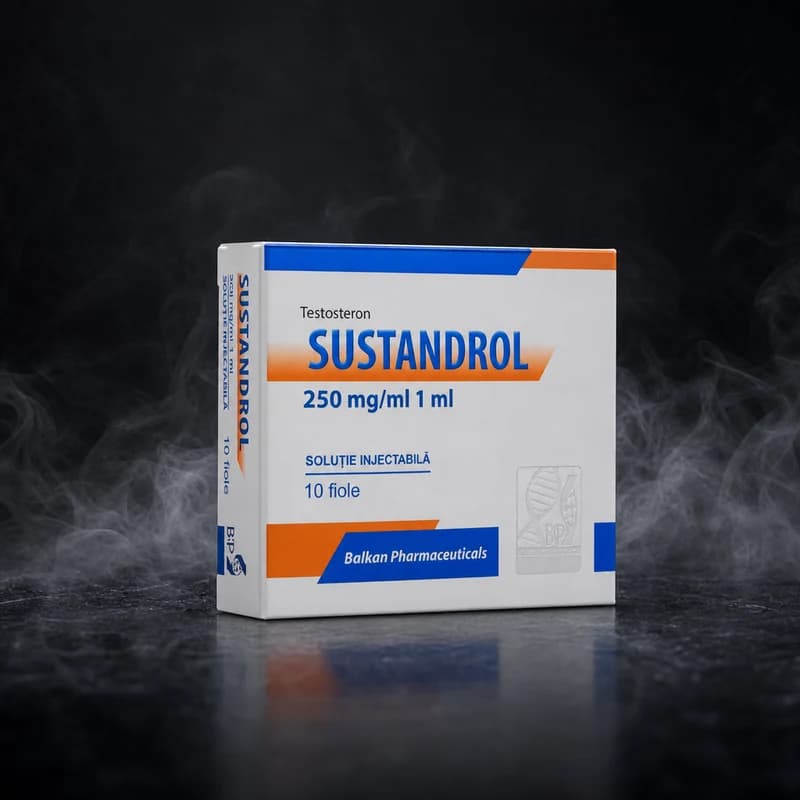 GMP Standard