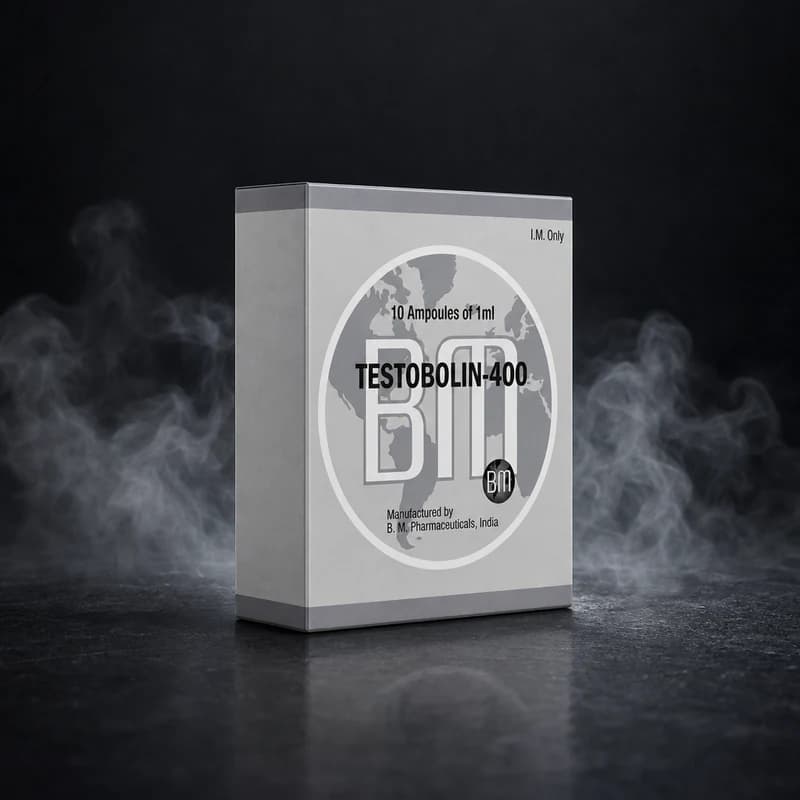
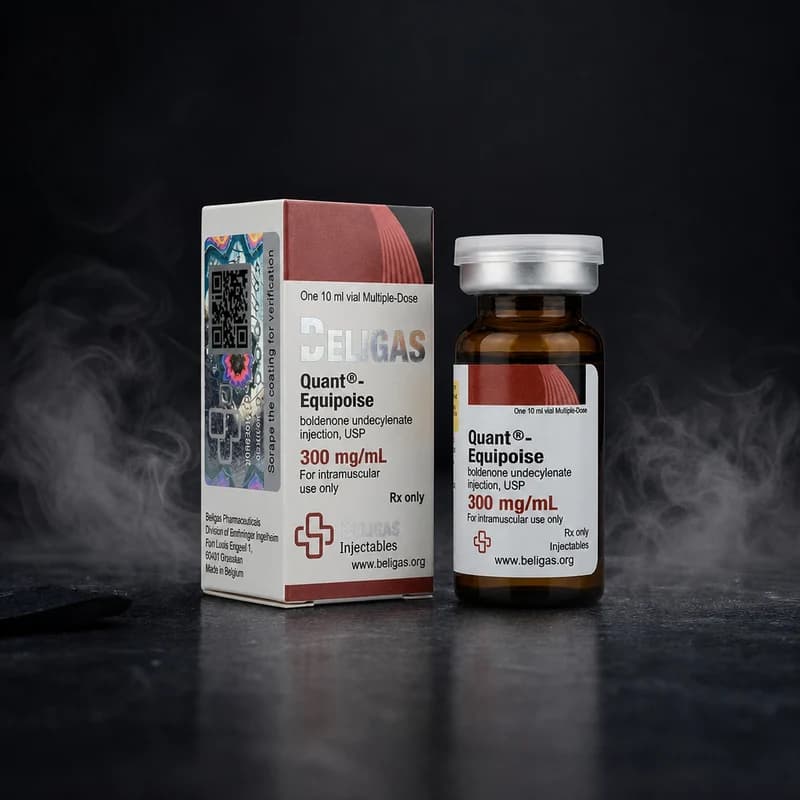
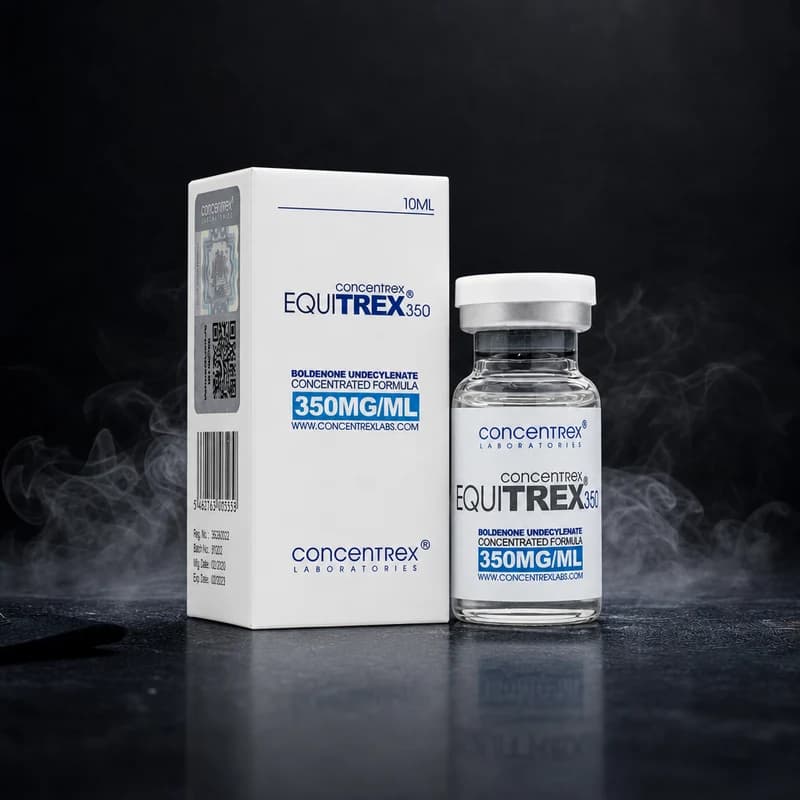
Contraindications: Do not administer if you have prostate or male breast carcinoma, active cardiovascular disease, untreated erythrocytosis (haematocrit >54%), hepatic impairment, or known hypersensitivity to any testosterone ester or excipient in the formulation. Women who are pregnant or may become pregnant must not handle this product.
Side_Effects: Aromatisation of testosterone to oestradiol may cause gynaecomastia, fluid retention, and elevated blood pressure — aromatase inhibitor (AI) co-administration such as Anastrozole 0.5mg every other day is standard practice in synergy stacks. Androgenic effects include accelerated scalp hair thinning, acne, and potential virilisation in female-presenting individuals. Endogenous testosterone production suppression begins within the first week of administration and reaches near-complete suppression by week two; haematocrit elevation and erythrocytosis are dose-dependent risks that mandate regular haematological monitoring throughout the cycle.
Monitoring: Obtain baseline bloodwork (LH, FSH, total testosterone, oestradiol, haematocrit, lipid panel, liver enzymes) before cycle initiation. Repeat at cycle midpoint (week 4–5) and within one week of cycle completion. Oestradiol should remain within 20–40pg/ml during the active phase to preserve synergistic anabolic signalling without excess aromatisation-related side effects. Blood pressure monitoring at least bi-weekly throughout the cycle is strongly advised.
PCT: Initiate SERM-based PCT no earlier than 14–21 days after the final Suste-Testosterone 250mg injection to allow decanoate ester clearance. Standard protocol: Tamoxifen (Nolvadex) 40mg/day for weeks 1–2, then 20mg/day for weeks 3–4; or Clomiphene (Clomid) 100/50/50/25mg across four weeks. HCG 500–1000IU every other day for 10 days immediately before PCT initiation may accelerate Leydig cell recovery when suppression was prolonged by extended synergy-stack cycles.

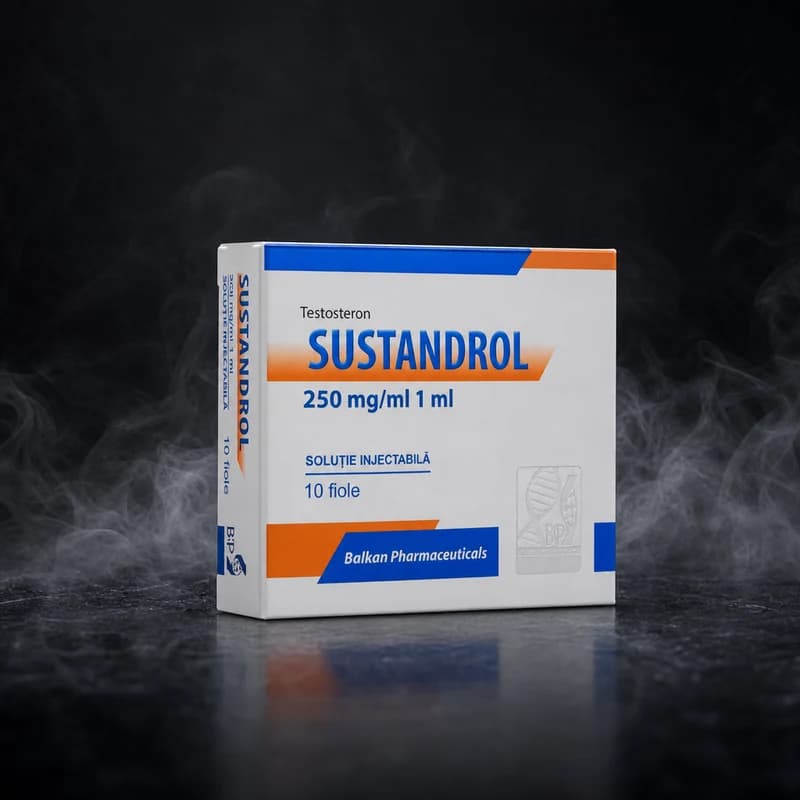 GMP Standard