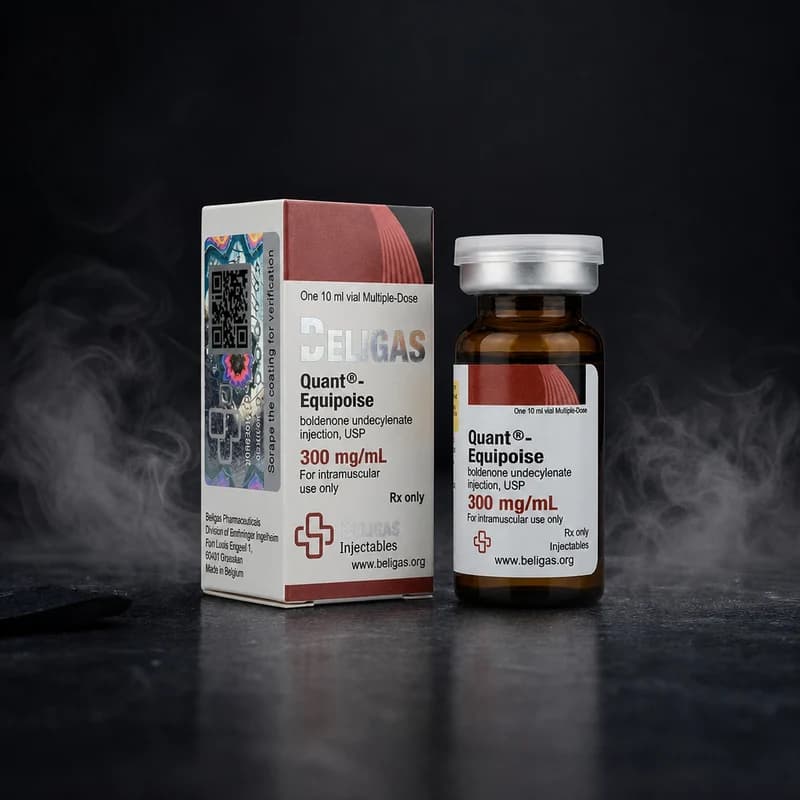
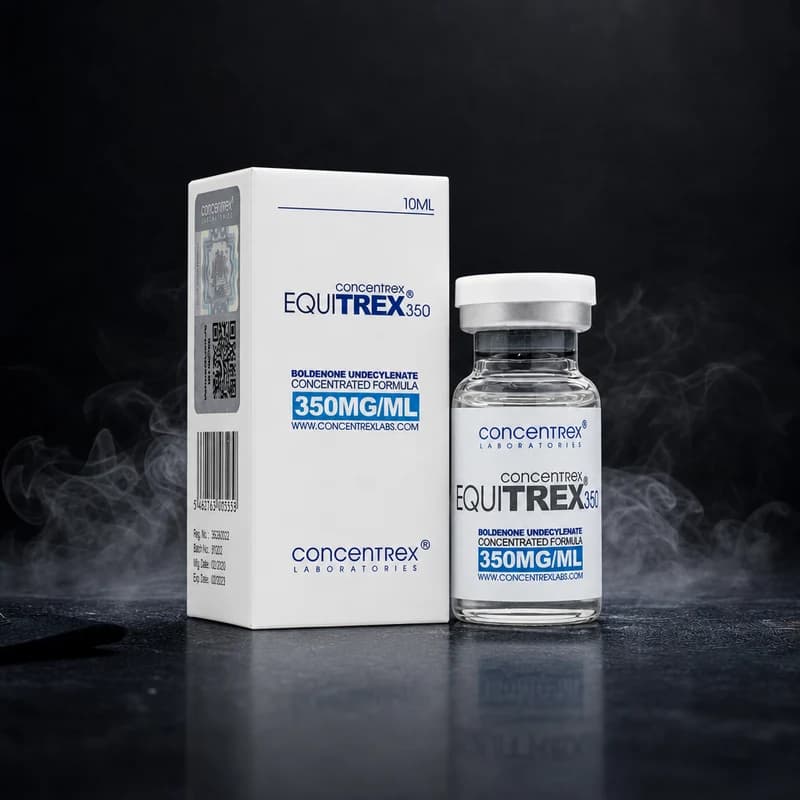
What Test-mix 350 Is and Why Storage Governs Its Performance
Test-mix 350 is a four-ester oil-based testosterone injectable at 350 mg/ml — a formulation whose pharmacokinetic profile depends entirely on the chemical integrity of each ester fraction being preserved from the point of manufacture through to the moment of administration. Unlike single-ester products, a blended formulation carries four distinct molecular species in a shared oil vehicle; any degradation that selectively affects one fraction alters the release cascade the formula is designed to deliver. Storage conditions are therefore not a secondary consideration but a primary determinant of clinical reproducibility.
Recommended Storage Conditions and Shelf-Life Rationale
Master Pharma specifies storage at 15–25 °C in a dark, dry location as the validated condition under which the declared 350 mg/ml potency and ester-fraction proportions remain within specification throughout the stated shelf life. Exposure to temperatures above 30 °C accelerates ester hydrolysis in the oil phase — a degradation pathway confirmed by accelerated-stability protocols aligned with ICH Q1A(R2) design principles — progressively reducing active testosterone ester content below the label claim. Compared to lyophilised peptide formulations that require refrigeration at 2–8 °C, an oil-based injectable testosterone blend is inherently more thermally stable at ambient conditions, provided it is not subjected to freeze-thaw cycles, which can disrupt the homogeneity of the suspension vehicle.
Light and Oxygen Exposure
Ultraviolet radiation catalyses photo-oxidation of the steroid nucleus; Master Pharma addresses this by specifying opaque secondary packaging and amber-tinted vial glass where applicable. The rubber septum closure maintains a sealed headspace that limits oxygen ingress between draws.
Handling the Multi-Dose Vial Safely Across a Cycle
The 10 ml vial format supports multiple draws across a standard 8–12 week cycle; proper aseptic technique at each draw preserves microbiological integrity of the remaining volume. Each puncture of the rubber septum introduces a contamination risk that accumulates across injection events — wiping the septum with 70 % isopropyl alcohol before every draw and using a fresh needle each time reduces this risk to a clinically acceptable level. Master Pharma's LAL (Limulus Amebocyte Lysate) endotoxin release test confirms that finished product meets parenteral safety thresholds at the point of batch release; responsible in-use handling preserves that standard through to the final draw.

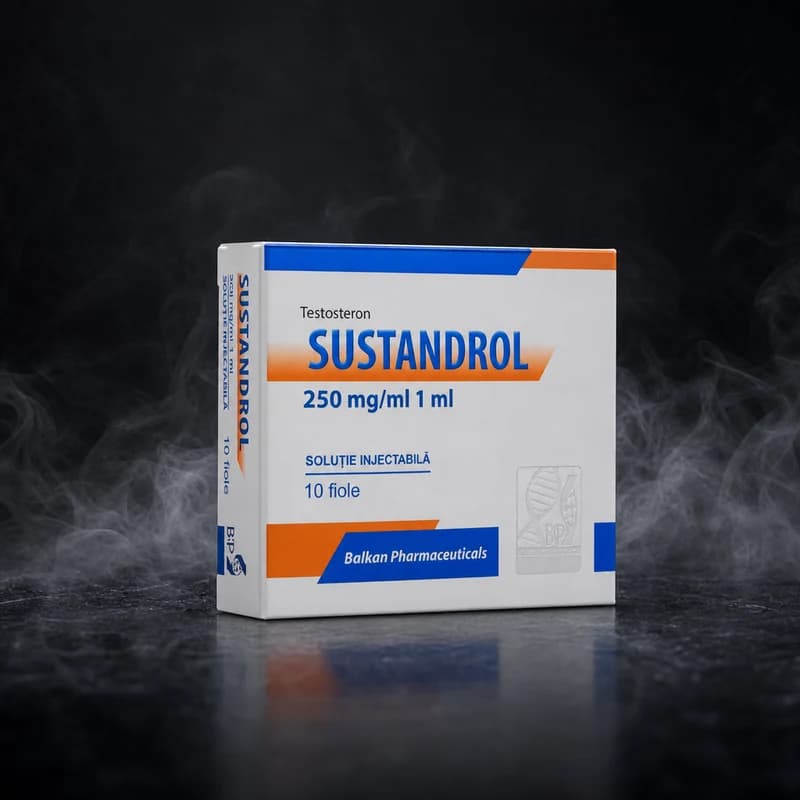 GMP Standard