What Test-Mix 250mg/ml Is and Why Lab Monitoring Defines Its Use
Sterling Knight Test-Mix 250mg/ml is an oil-based parenteral testosterone preparation combining four esterified fractions — propionate, phenylpropionate, isocaproate, and decanoate — at a combined concentration of 250 mg/ml, where the pharmacokinetic spread of those fractions makes systematic blood panel tracking not optional but structurally necessary. Unlike single-ester compounds that produce a predictable one-phase serum curve, a four-ester blend generates overlapping release windows: the propionate fraction reaches peak systemic exposure within the first 24–48 hours, while the decanoate fraction continues releasing active testosterone for up to 14 days post-injection. This overlap is clinically useful and monitoring-intensive in equal measure.
Which Blood Markers Matter and When to Draw Them
Five marker categories define a complete monitoring framework for this compound. Total serum testosterone (drawn at mid-interval, approximately 5–7 days after the most recent injection) reflects the steady-state contribution of the intermediate-release fractions — phenylpropionate and isocaproate — and provides the most representative reading of actual androgenic exposure rather than a transient peak. Haematocrit, measured every 6–8 weeks, detects erythropoietic stimulation; values trending toward the 50–52% range warrant dose review before physiological thresholds are crossed. The lipid panel — specifically LDL:HDL ratio — responds to supraphysiological androgen exposure and should be assessed at baseline and again at weeks 6–8, given that testosterone-driven HDL suppression is dose-dependent and time-dependent (supported by controlled-intervention data from endocrinology literature). ALT and AST, while primarily hepatic markers, establish a baseline and catch any co-administered oral compound hepatotoxicity that could otherwise be attributed incorrectly to the injectable. LH and FSH complete the panel: suppressed to near-zero during cycle, their recovery trajectory post-cycle confirms HPG-axis restoration.
Compared to Single-Ester Products: Monitoring Complexity and Frequency
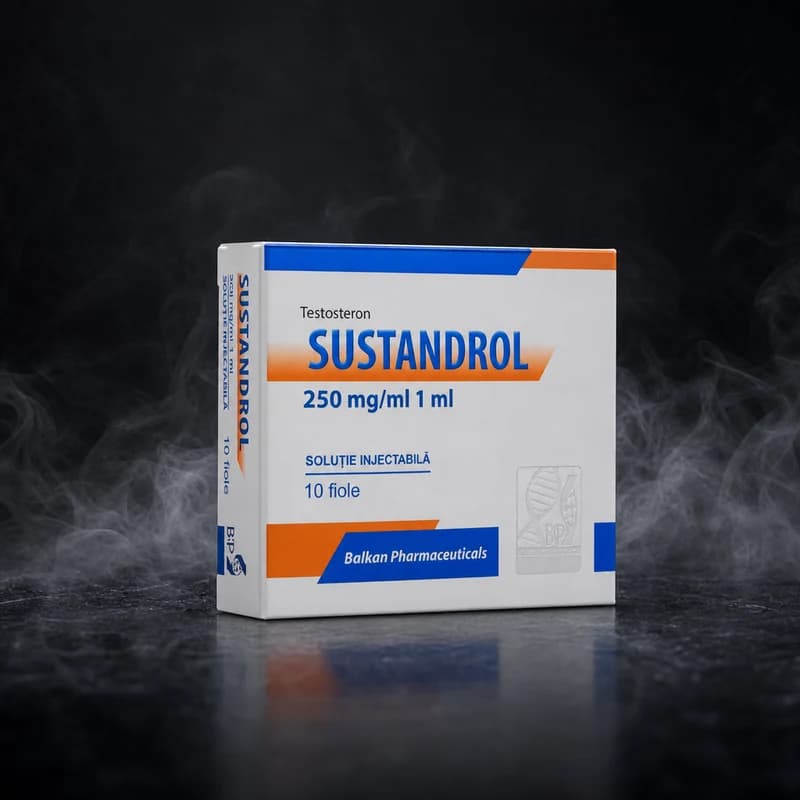
Compared to testosterone enanthate or cypionate (single-ester, single release phase), Test-Mix requires an additional mid-interval draw strategy because the propionate fraction creates an early-cycle testosterone elevation that can temporarily overstate steady-state exposure if blood is drawn too soon after injection. Timing the draw correctly — mid-interval rather than at peak or trough — resolves this ambiguity and produces actionable data. Sterling Knight's 10x1ml single-dose ampoule format supports this monitoring-centred approach: each ampoule is opened, administered, and discarded, eliminating cross-batch contamination variables that could introduce measurement noise into serial blood panel interpretation.
Sterling Knight's API Sourcing and Analytical Release Standards
Sterling Knight Pharmaceuticals sources each ester fraction of the Test-Mix API from verified pharmaceutical raw-material suppliers, with incoming material subject to identity confirmation before advancing to the blend and fill stage. The finished product undergoes reversed-phase HPLC potency verification against reference standards, confirming that the 250 mg/ml label claim and the relative proportion of each ester fraction are both analytically supported — not inferred from raw-material certificates alone. A mandatory LAL endotoxin assay clears every production batch before release, aligning with pharmacopoeial parenteral safety standards.

 GMP Standard