Testosterone Mix as a Metabolic Modulator: Understanding the Insulin-Sensitivity Angle
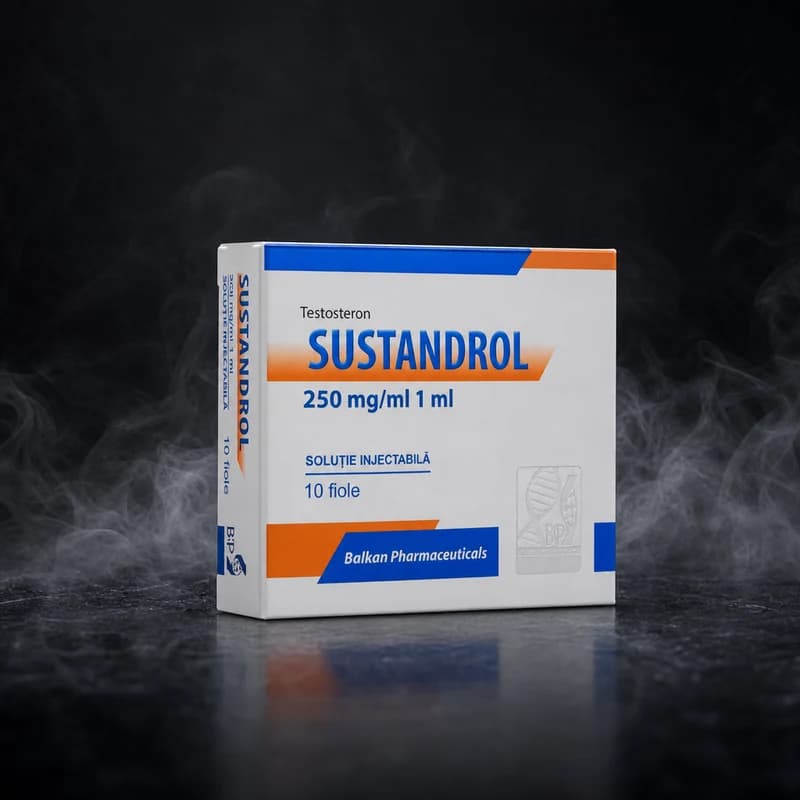
Hilma Biocare Sustanon 250mg/ml is a multi-ester injectable androgen whose physiological relevance extends beyond classical anabolic endpoints into measurable effects on glucose regulation and insulin receptor signalling. Sustained supraphysiological testosterone concentrations — maintained by the sequential release of four chemically distinct esters — reduce adipose-derived inflammatory cytokines, improving peripheral insulin sensitivity in a dose-dependent manner documented in clinical endocrinology literature (Kapoor et al., European Journal of Endocrinology, 2006). Compared to single-ester testosterone formulations with pronounced peak-trough cycling, a correctly dosed four-ester blend keeps serum androgen levels more consistent, which may attenuate the compensatory hyperinsulinaemia that sharp concentration troughs can provoke.
How Stable Androgen Levels Influence Glucose Partitioning
Testosterone acts on skeletal muscle glucose transporters, most notably GLUT4, by upregulating their translocation to the cell membrane independently of insulin — a mechanism that effectively expands the muscle's glucose uptake capacity. Hilma Biocare's Sustanon formulation delivers this androgenic stimulus continuously: propionate and phenylpropionate esters elevate circulating testosterone within the first seventy-two hours, while isocaproate and decanoate maintain that elevation across weeks two through four, ensuring GLUT4 upregulation is not interrupted between injections. The metabolic consequence is improved nutrient partitioning: a higher proportion of dietary carbohydrate is directed toward glycogen resynthesis in muscle tissue rather than de novo lipogenesis in adipose tissue.
Monitoring Metabolic Markers During a Sustanon Cycle
Blood glucose monitoring is clinically relevant during testosterone supplementation because androgen-mediated insulin sensitisation can shift fasting glucose values by 0.3–0.6 mmol/L, requiring dietary carbohydrate adjustments particularly in users with pre-existing insulin resistance (Corona et al., Journal of Sexual Medicine, 2011). Fasting insulin, HOMA-IR score, and HbA1c are the three metabolic indices practitioners recommend tracking at baseline, at week six, and at the conclusion of any cycle longer than ten weeks. Hilma Biocare produces each 10ml Sustanon vial under EU GMP-aligned protocols; HPLC analysis verifies that total testosterone concentration meets the 250mg/ml label specification within validated acceptance criteria, and LAL endotoxin testing confirms sterility — both of which are prerequisites for reliable dose titration in metabolic monitoring contexts.
Practical Implication for Body Composition
Improved insulin sensitivity during a Sustanon cycle translates directly to leaner mass accrual: when muscle cells respond more efficiently to insulin, anabolic signalling through the mTOR pathway is amplified without requiring elevated circulating insulin concentrations. Users who combine structured resistance training with monitored carbohydrate intake frequently report superior body-composition outcomes — measured by DEXA or skinfold calipers — compared to cycles where carbohydrate intake and metabolic response are left untracked.

 GMP Standard