Sustanon 250mg/ml and Cardiovascular Health: What the Evidence Shows
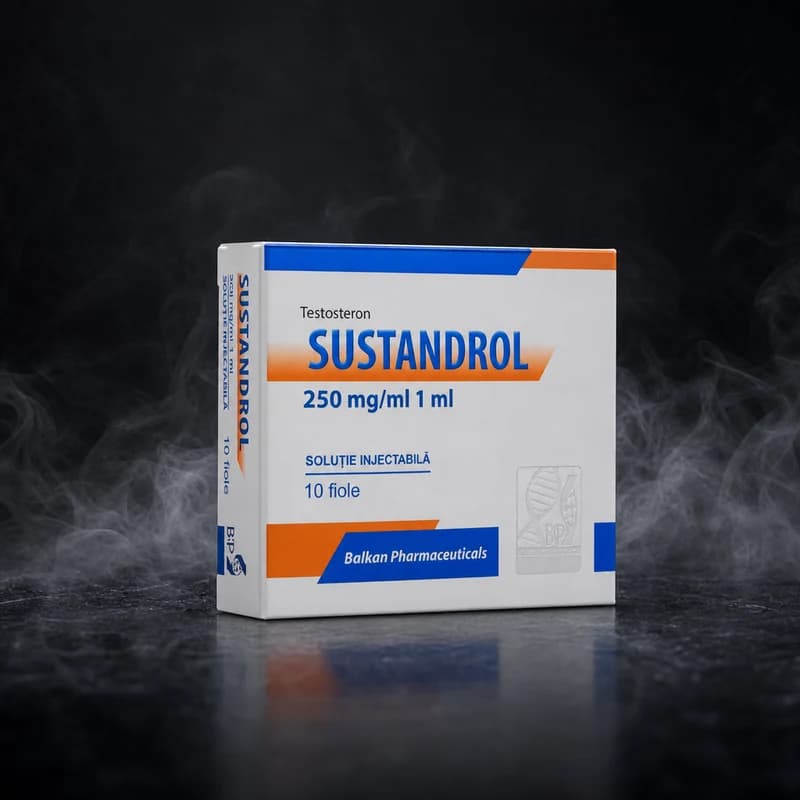
Swiss Pharma Sustanon 250mg/ml is a clinically structured multi-ester testosterone blend whose relationship with cardiovascular and lipid physiology makes it one of the most pharmacologically nuanced preparations in the injectable androgen category. Exogenous testosterone at supraphysiological doses exerts measurable effects on the lipid panel: LDL cholesterol tends to rise, HDL cholesterol typically declines, and total cholesterol-to-HDL ratio — a primary atherogenic index — widens in a dose-dependent manner. Understanding this relationship is fundamental to responsible administration.
LDL, HDL, and the Dose-Dependent Lipid Shift
Sustained supraphysiological testosterone suppresses hepatic ApoA-I synthesis, the structural apolipoprotein governing HDL particle formation, which reduces circulating HDL by an average of 10–20% compared to pre-cycle baseline values in studies using injectable testosterone esters (Zmuda et al., Journal of Clinical Endocrinology & Metabolism, 1997). Simultaneously, androgen-mediated upregulation of hepatic lipase activity accelerates HDL catabolism, compounding the net HDL reduction. LDL clearance capacity is partially preserved by testosterone's weak positive effect on LDL-receptor expression, yet net LDL elevation of 5–15% above baseline is commonly observed at doses of 400–600mg per week. Swiss Pharma's four-ester blend delivers a smoother serum testosterone curve compared to single-ester propionate protocols, which limits the acute peak-driven surges in aromatase and lipase activity that steepen lipid deterioration in short-ester cycles.
Protective Strategies and Monitoring Benchmarks
Cardiovascular risk mitigation begins with diet: omega-3 fatty acids at 3–4g per day demonstrably attenuate testosterone-induced HDL suppression by modulating hepatic lipase expression, as documented in multiple lipid-intervention trials. Weekly aerobic conditioning of 150+ minutes at moderate intensity maintains endothelial nitric-oxide synthase (eNOS) activity independently of the androgenic milieu. Blood pressure monitoring at each injection interval and a complete lipid panel — total cholesterol, LDL, HDL, triglycerides, and non-HDL cholesterol — taken at baseline, cycle week 6, and post-cycle provides the minimum surveillance framework. Keeping weekly testosterone ester dose within the 250–500mg range materially narrows the lipid displacement window relative to higher-dose protocols.
Swiss Pharma Quality and Analytical Traceability
Every production lot of Swiss Pharma Sustanon 250mg/ml is released only after HPLC potency quantification confirms the 250mg/ml label claim within validated acceptance limits and an LAL endotoxin assay clears the finished product for parenteral safety. GMP-compliant aseptic filling under continuous environmental monitoring ensures the preparation that reaches the athlete carries documented batch traceability — a prerequisite for responsible cardiovascular risk management, where confidence in actual administered dose directly informs blood-panel interpretation.

 GMP Standard