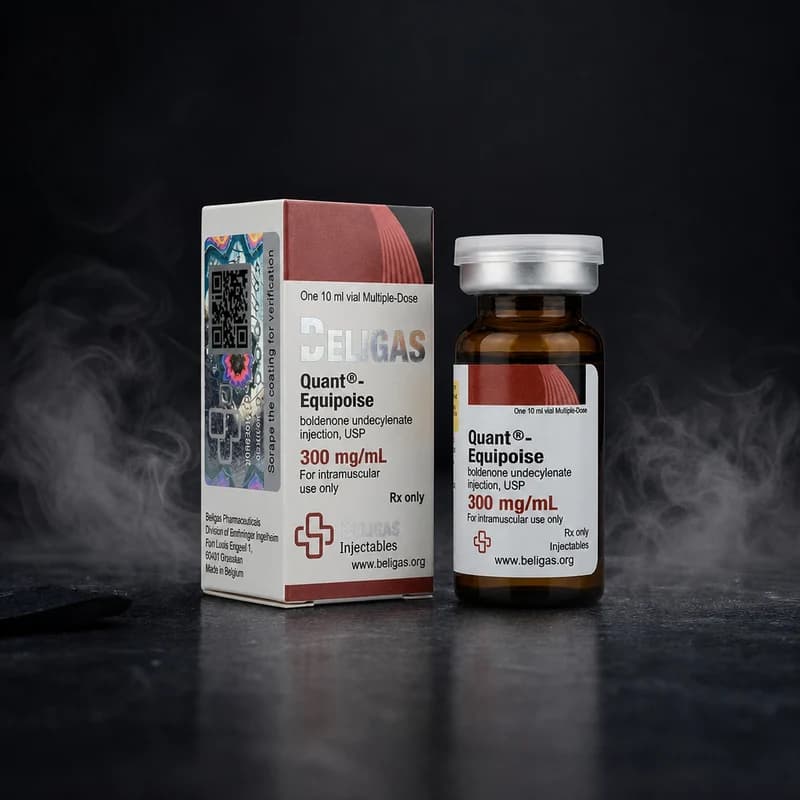
What Rossiaz Lab Sustanon 250mg/ml Is — and Why Side-Effect Management Begins at Selection
Rossiaz Lab Sustanon 250mg/ml is a parenteral androgen preparation combining four testosterone esters in a single oil-based vehicle, where each ester fraction contributes a distinct release window that collectively determines both the anabolic opportunity and the side-effect exposure timeline for the administering athlete. Understanding the product's pharmacokinetic architecture is the first step toward meaningful risk management — because the timing of estrogen conversion, androgen receptor saturation, and cardiovascular stress correlates directly with the ester fractions active at any given point in the cycle.
An informed athlete monitors serum estradiol alongside total testosterone, since aromatase converts bioavailable testosterone to estradiol throughout the multi-ester release window; unchecked estradiol elevation drives water retention, gynecomastia sensitisation, and blood pressure increases that respond well to aromatase inhibitor titration when caught early via mid-cycle bloodwork. Rossiaz Lab's batch-specific Certificate of Analysis, covering reversed-phase HPLC potency data and LAL endotoxin clearance, confirms that each vial delivers the stated 250mg/ml — meaning dose-dependent side-effect calculations are anchored to verified label values rather than estimated ones.
Key Side Effects and Their Evidence-Based Countermeasures
The principal androgenic effects — scalp hair thinning in genetically susceptible individuals, increased sebum production, and potential acceleration of prostate-specific antigen (PSA) elevation — are driven by DHT conversion and are dose-responsive. Compared to single long-ester testosterone formats, the multi-ester blend's shorter fractions produce an earlier androgenic rise, which means the DHT-mediated side-effect window opens sooner and requires earlier monitoring rather than later.
Haematological changes represent the most consistently underestimated risk: exogenous testosterone suppresses erythropoietin feedback and stimulates red blood cell production, elevating haematocrit. Clinical endocrinology guidelines flag haematocrit exceeding 52% as a threshold requiring dose reassessment or therapeutic phlebotomy. Lipid panels typically show LDL elevation and HDL suppression proportional to weekly dose; scheduling fasting lipid measurement at the cycle midpoint provides actionable data before cardiovascular risk accumulates.
Monitoring Schedule Framework
Rossiaz Lab's consistent batch documentation supports a disciplined monitoring approach: baseline bloodwork before cycle initiation, a mid-cycle panel at weeks five to six covering haematocrit, estradiol, LDL/HDL, ALT, and PSA, and a post-cycle panel timed to the SERM window. This three-point monitoring structure allows corrective action — AI dose adjustment, phlebotomy, or cycle truncation — before adverse effects become irreversible.
Managing Suppression and Recovery
Endogenous HPG-axis suppression is dose- and duration-dependent; the decanoate fraction's extended depot prolongs the suppressive signal beyond the last injection, making washout timing critical for SERM efficacy. Rossiaz Lab's verified 250mg/ml concentration allows athletes to calculate suppression depth and washout duration with precision, supporting structured PCT planning rather than guesswork.

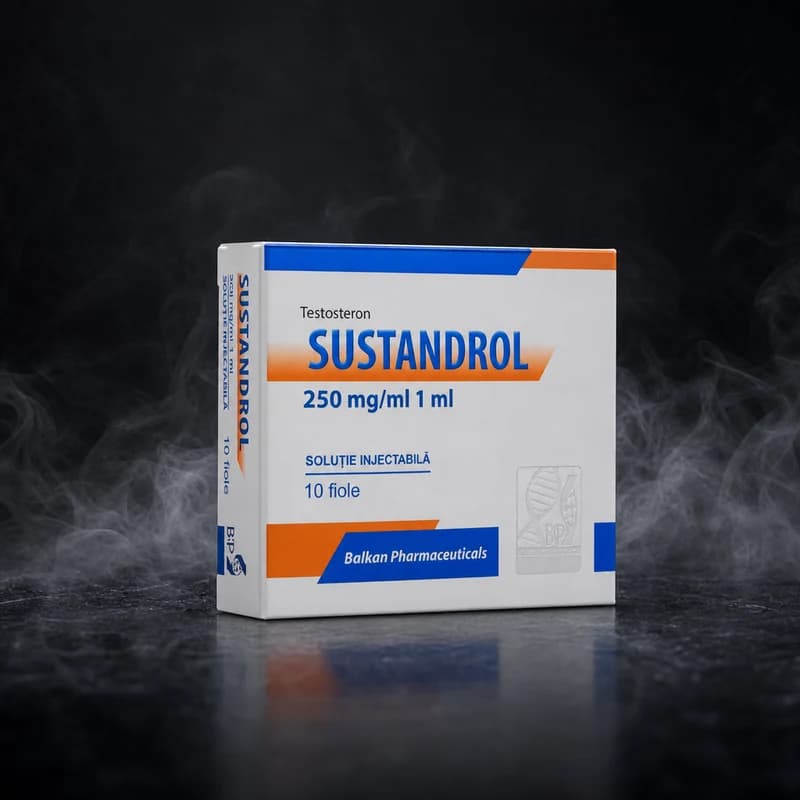 GMP Standard