forgemax.FORGED. TESTED. PROVEN.
Sustanon 250 250mg/ml 1x1ml Ampullen by Aspen
Established Brand

Sustanon 250 250mg/ml 1x1ml Ampullen by Aspen

Aspen Sustanon 250 is a pharmaceutical-grade injectable comprising four testosterone esters — propionate, phenylpropionate, isocaproate, and decanoate — concentrated at 250 mg/ml in a single-dose 1 ml glass ampoule, recognised as one of the most clinically documented testosterone preparations in the history of endocrine medicine. Its multi-ester architecture was conceived by Organon Laboratories in the early 1970s to resolve the injection-frequency limitations of single-ester therapies, pairing rapid-onset esters with long-acting decanoate in one coherent pharmacokinetic design. GMP EU Annex 1 manufacturing, HPLC identity and potency verification, and LAL endotoxin clearance are applied to every batch before a single ampoule reaches distribution.

€4.00Free shipping on orders over €300
In stock
Ships within 48 h Lab-tested batch
  • Four-ester design — propionate, phenylpropionate, isocaproate, decanoate — delivers both rapid onset and prolonged androgenic activity from a single injection.
  • Decades of clinical validation since the 1970s provide an extensive pharmacokinetic and safety dataset unavailable for newer blends.
  • Single-dose 1 ml glass ampoule ensures sterility from fill to administration with no multi-dose contamination risk.
  • GMP EU Annex 1 compliance and LAL endotoxin testing confirm pharmaceutical-grade purity in every batch.
  • 250 mg/ml concentration mirrors the original Organon specification, ensuring predictable dosing based on established clinical references.
  • HPLC identity verification confirms all four ester fractions are present at correct ratios within ±5% of label claim.
  • Arachis oil vehicle and benzyl alcohol preservative system — unchanged from the original formulation — provide proven injection tolerability.

Key takeaways

  • Trace Sustanon 250's origins to Organon Laboratories, Netherlands, early 1970s.
  • Understand how four esters were selected to solve clinical injection-frequency problems.
  • Choose Aspen's GMP-certified, HPLC-verified 1 ml ampoule for single-dose sterility.
  • Reference Nieschlag et al. (1976) pharmacokinetic data when comparing ester profiles.
  • Recognize 250 mg/ml as the original, most extensively documented testosterone blend concentration.

The Origins of a Four-Ester Testosterone Formula

Sustanon 250 stands as the compound that first systematically combined four testosterone esters into a single injectable preparation, a concept introduced by Organon Laboratories in the Netherlands during the early 1970s. Before this formulation existed, clinicians managing male hypogonadism faced a binary choice: frequent short-acting injections or infrequent but pharmacokinetically uneven long-acting depots. Organon scientists solved this limitation by pairing two fast-acting esters — testosterone propionate (30 mg) and testosterone phenylpropionate (60 mg) — with two slower-releasing esters — testosterone isocaproate (60 mg) and testosterone decanoate (100 mg) — within a single oil-based vehicle. The combined 250 mg/ml concentration became the defining standard against which later multi-ester blends would be measured.

How the Formulation Evolved Through Decades of Clinical Use

Organon's Sustanon 250 received regulatory approval across European markets through the 1970s and 1980s, with the British National Formulary listing it as a first-line option for testosterone replacement therapy by the mid-1980s. Compared to single-ester preparations such as testosterone enanthate 250 mg/ml, Sustanon 250 offered clinicians a theoretically flatter serum testosterone curve following a single injection, a benefit documented in pharmacokinetic studies published in the journal Acta Endocrinologica (Nieschlag et al., 1976). Aspen Pharmacare, a South African multinational pharmaceutical company established in 1997 and now headquartered in Durban, acquired the marketing rights and manufacturing responsibilities for Sustanon 250 in key markets, continuing production under current GMP (Good Manufacturing Practice) EU Annex 1 sterile injectables standards.

Pharmaceutical Specifications and Quality Framework

Each Aspen Sustanon 250 ampoule delivers exactly 250 mg of testosterone as a blend of four esters dissolved in arachis oil with benzyl alcohol as a preservative/antimicrobial agent. HPLC (High-Performance Liquid Chromatography) analysis verifies ester identity and concentration within ±5% of label claim, while LAL (Limulus Amebocyte Lysate) endotoxin testing confirms sterility parameters before release. The single-dose 1 ml glass ampoule format eliminates preservative-related degradation concerns inherent in multi-dose vials, preserving the compound's established pharmacological profile across its full shelf life.

Usage

  1. Review the compound's documented history and pharmacokinetic profile (Nieschlag et al., 1976) to understand the expected onset and duration curve from each of the four esters before planning your injection schedule.
  2. Inspect the 1 ml glass ampoule for visible particles or discolouration; the solution should be clear to slightly yellow — consistent with arachis oil carrier, unchanged from the original Organon formulation.
  3. Snap the ampoule open using a sterile gauze wrap at the score mark; draw the full 1 ml into a sterile syringe using a filter needle (18–21G) to prevent glass particle contamination.
  4. Switch to a fresh injection needle (21–23G, 1–1.5 inch) appropriate for intramuscular administration into the gluteus medius, vastus lateralis, or deltoid — sites used in original clinical trials.
  5. Administer slowly over 30–60 seconds to minimise post-injection discomfort associated with the arachis oil vehicle; aspirate briefly prior to injection as standard IM practice.
  6. Dispose of the opened single-dose ampoule immediately after use — the single-dose format means no residual solution should be stored; log injection site and date for protocol tracking.

Warnings

contraindications: Contraindicated in individuals with known or suspected androgen-sensitive malignancies, including prostate and breast carcinoma.

Not for use in women who are pregnant or may become pregnant — testosterone is teratogenic (Pregnancy Category X).

Contraindicated in patients with hypersensitivity to arachis oil (peanut oil) or benzyl alcohol.

Individuals with severe hepatic impairment, nephrotic syndrome, or untreated polycythaemia should not use this preparation.

side_effects: Aromatisation of testosterone to oestradiol may cause gynaecomastia, water retention, and elevated blood pressure — monitored via serum oestradiol assay.

Androgenic side effects including accelerated androgenetic alopecia and acne are dose-dependent and individual to genetic predisposition.

Erythrocytosis (elevated haematocrit) is associated with long-term exogenous testosterone use; haematocrit above 54% warrants dose reduction.

Injection-site reactions (oil embolism risk if inadvertently administered IV) — strict IM technique is mandatory.

monitoring: Serum total testosterone, LH, FSH, and oestradiol should be measured at baseline and at 6–8 weeks into any protocol.

Full blood count (FBC) including haematocrit; lipid panel (HDL suppression is common with exogenous androgens); PSA in males over 40.

Liver function tests (LFTs) are advisable for protocols extending beyond 12 weeks.

Blood pressure monitoring at each injection visit — AAS-related hypertension is linked to volume expansion from sodium retention.

pct: Post-cycle therapy (PCT) should commence approximately 3 weeks after the last Sustanon 250 injection, accounting for the decanoate ester's extended half-life (~15 days).

SERM therapy with tamoxifen (Nolvadex) 20–40 mg/day or clomiphene citrate 50 mg/day for 4–6 weeks is the standard PCT framework.

HCG (250–500 IU, 2–3x per week) administered during the final 2–3 weeks of the cycle can preserve testicular volume prior to SERM-based recovery.

Endogenous testosterone recovery timelines vary; bloodwork at 8–12 weeks post-PCT is recommended to confirm HPG axis restoration.

Frequently asked questions

Where did Sustanon 250 originally come from and who developed it?
Sustanon 250 was originally developed by Organon Laboratories, a Dutch pharmaceutical company, in the early 1970s. The formulation was designed in the Netherlands to address practical limitations of existing testosterone therapies, combining four esters of different chain lengths into one preparation. It was subsequently licensed and marketed across Europe and became one of the most widely prescribed testosterone replacement products in medical history.
When was Sustanon 250 first approved and what was its original clinical purpose?
Sustanon 250 received its first regulatory approvals in European markets during the 1970s, with its primary clinical indication being male hypogonadism — a condition where the testes produce insufficient testosterone. Its multi-ester design was intended to reduce injection frequency while maintaining physiological testosterone levels, making it significantly more practical for long-term hormone replacement compared to single-ester formulations available at the time.
How has the use of Sustanon 250 evolved from its original medical purpose to modern applications?
Initially, Sustanon 250 was used exclusively in endocrinology clinics for hypogonadism treatment. Through the 1980s and 1990s, its sustained-release profile attracted interest in sports medicine and, later, performance-enhancement contexts. Today, Aspen continues manufacturing it for legitimate therapeutic use under GMP EU Annex 1 standards, while its pharmacokinetic profile — documented since Nieschlag et al. (1976) — remains a reference point in testosterone replacement literature.
Why is the single-dose 1 ml ampoule format preferred over multi-dose vials for Sustanon 250?
Single-dose ampoules eliminate the risk of contamination and preservative accumulation associated with multi-dose vials. Each 1 ml Aspen ampoule is sealed under sterile conditions, ensuring the compound's integrity from manufacture to administration. This format is particularly relevant for the benzyl-alcohol-preserved arachis oil carrier used in Sustanon 250, as repeated puncture of a shared vial increases bacterial ingress risk over time.
Is Sustanon 250 at 250 mg/ml considered a low, standard, or high concentration among testosterone blends?
At 250 mg/ml, Sustanon 250 sits at the entry-level end of injectable testosterone blend concentrations, making it one of the more accessible concentrations for individuals beginning hormone replacement therapy or anabolic protocols. Higher-concentration blends such as 300 mg/ml or 400 mg/ml formulations exist, but 250 mg/ml remains the original and most clinically studied concentration, offering predictable pharmacokinetics backed by decades of documented use. (2) angle_used

Manufacturer

Aspen Pharmacare was founded in 1997 in Port Elizabeth, South Africa, by Stephen Saad and Gus Attridge, making it one of the youngest companies to scale to global pharmaceutical significance in under three decades. Beginning as a generics-focused distributor in sub-Saharan Africa, Aspen executed a series of strategic acquisitions — most notably the 2013 purchase of Merck's branded thrombosis and anaesthesia product portfolios in Europe, and the subsequent acquisition of AstraZeneca's anaesthetic brands — that transformed it into a manufacturer with GMP-certified sterile injectables capacity across facilities in the Netherlands (Oss), South Africa, and Australia. Its Sustanon 250 supply in European markets is produced under EU GMP Annex 1 sterile manufacturing regulations, with batch documentation, HPLC analytical release testing, and LAL endotoxin compliance required before any unit enters distribution. Aspen is listed on the Johannesburg Stock Exchange (JSE: APN) and operates in over 150 countries, with revenues exceeding ZAR 36 billion (FY2023 annual report), reflecting a brand trajectory from regional generic distributor to globally Established Brand in specialty injectable pharmaceuticals.

Product details

BrandAspen
Active ingredienttestosterone mix
Also known asSustanon, Omnadren, Testosterone-Mischung, Sustanon 250, Aspen Sustanon
Strength250 mg
FormAmpullen
Pack size1 piece
Item numberINJ-TMIX-ASP-250-011

Reviews

No reviews yet. Be the first to review this product.

Write a review

Your rating *

Your review will be checked before publication.

Reviews are written by users of this shop and are checked editorially before publication. Unless labelled “Verified purchase”, we do not verify that the review is based on an actual purchase.

Similar products

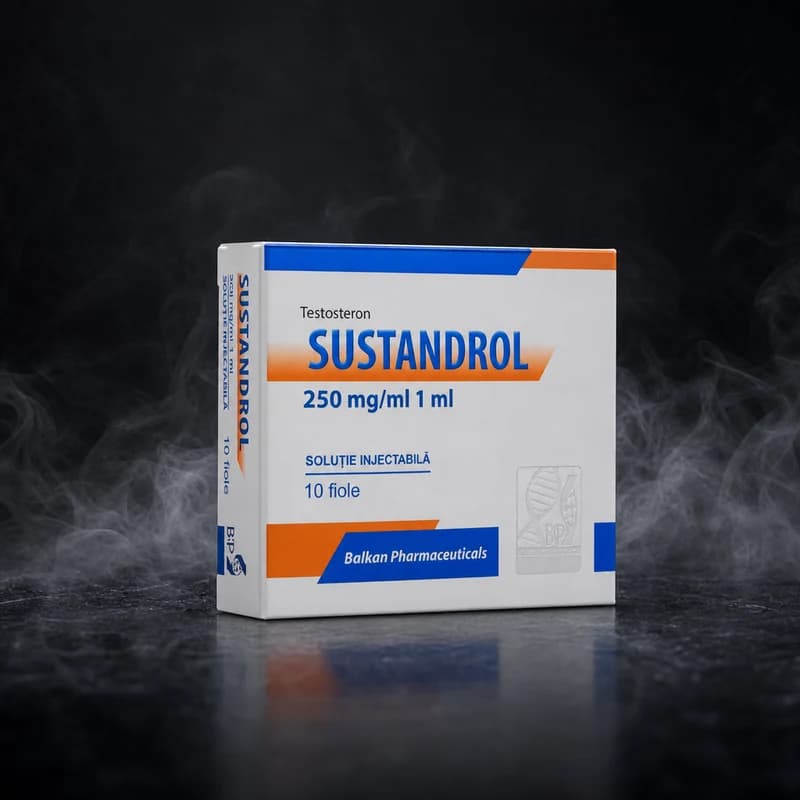
Sustandrol 250mg/ml 10x1ml Ampoules by Balkan PharmaceuticalsGMP Standard

Sustandrol 250mg/ml 10x1ml Ampullen by Balkan Pharmaceuticals

€42.00
Suste-Testosterone 250mg 250mg/ml 10ml Vial by Beligas PharmaceuticalsHigh Concentration

Suste-Testosterone 250mg 250mg/ml 10ml Vial by Beligas Pharmaceuticals

€39.00
Suste-Testosterone 400mg 400mg/ml 10ml Vial by Beligas PharmaceuticalsVerified Manufacturer

Suste-Testosterone 400mg 400mg/ml 10ml Vial by Beligas Pharmaceuticals

€48.00
Susten-250 250mg/ml 10x1ml Ampoules by BM PharmaceuticalsTop Seller

Susten-250 250mg/ml 10x1ml Ampullen by BM Pharmaceuticals

€42.00

Stack it with

Pairs well with these products.

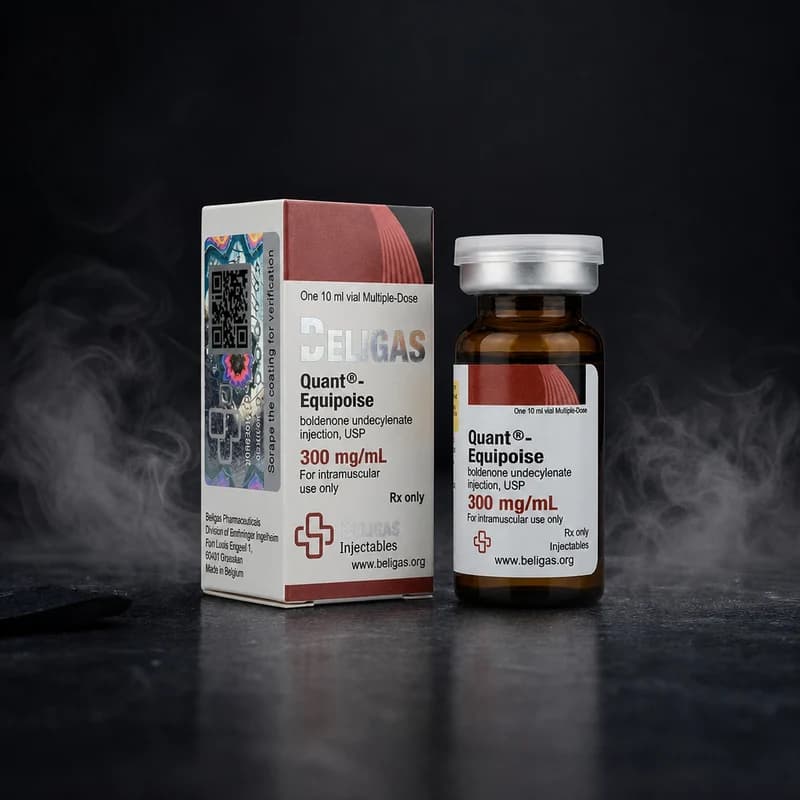
Quant-Equipoise 300mg/ml 10ml Vial by Beligas PharmaceuticalsHigh Concentration

Quant-Equipoise 300mg/ml 10ml Vial by Beligas Pharmaceuticals

€47.00
Bolden-250 250mg/ml 10x1ml Ampoules by BM PharmaceuticalsLong-Acting Formula

Bolden-250 250mg/ml 10x1ml Ampullen by BM Pharmaceuticals

€48.00
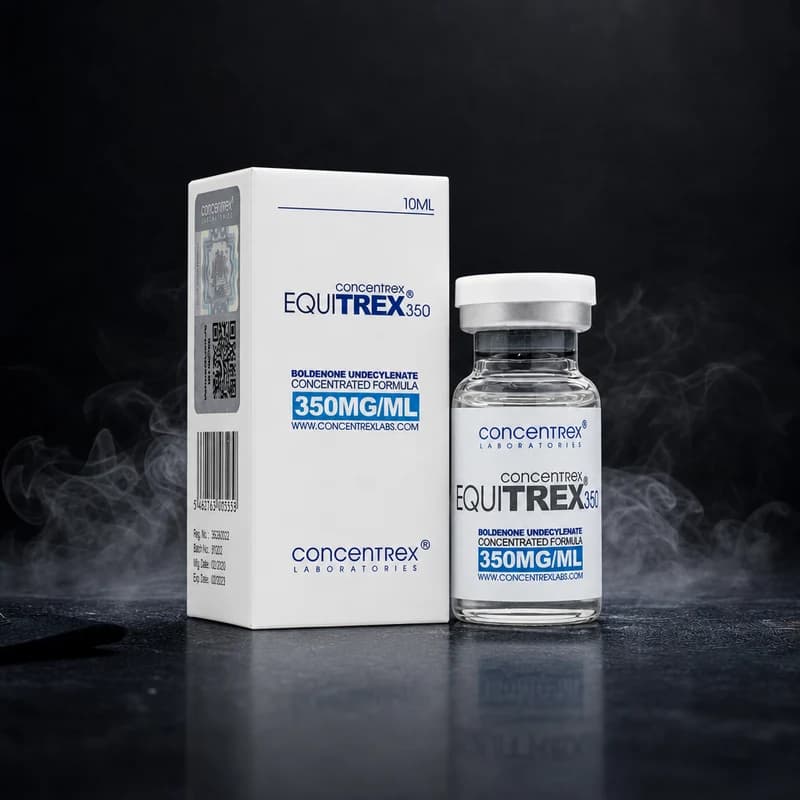
EquiTrex 350mg/ml 10ml Vial by Concentrex LabsBrand Quality

EquiTrex 350mg/ml 10ml Vial by Concentrex Labs

€52.00
EQ 300 300mg/ml 10ml Vial by Dragon-PharmaPro Choice

EQ 300 300mg/ml 10ml Vial by Dragon-Pharma

€44.00