forgemax.FORGED. TESTED. PROVEN.
Sermorelin Acetate 5mg/vial 1 Vial by Bio-Peptide
Lab Tested

Sermorelin Acetate 5mg/vial 1 Vial by Bio-Peptide

5 (2 reviews)

Sermorelin Acetate is a synthetic 29-amino-acid fragment of endogenous growth hormone-releasing hormone (GHRH), supplied by Bio-Peptide as a lyophilised powder at 5 mg per vial and distinguished by its long-standing role in anti-aging and longevity-focused research protocols. As the classical GHRH(1-29) analog, sermorelin stimulates pituitary somatotrophs in a pulsatile, physiologically mimetic pattern — making it the benchmark reference compound against which newer GHRH-related peptides are evaluated. Quality is assured at batch level: each vial clears HPLC sequence-and-purity verification and an independent LAL endotoxin assay before release, with documentation attached to every lot.

€32.00Free shipping on orders over €300
In stock
Ships within 48 h Lab-tested batch
  • Activates pituitary GHRH receptors to restore age-diminished GH pulse amplitude
  • Preserves somatostatin feedback regulation — no unchecked GH accumulation
  • Supports plasma IGF-1 elevation measurable by immunoassay within 6–8 weeks
  • Subcutaneous administration aligns with dominant nocturnal GH secretion window
  • Classical GHRH(1-29) sequence provides the reference standard for comparative peptide research
  • Lyophilised 5 mg format delivers precise, stable dosing across multi-month anti-aging protocols
  • Each batch independently cleared by HPLC purity analysis and LAL endotoxin assay

Key takeaways

  • Choose Sermorelin as the benchmark GHRH(1-29) analog for anti-aging research.
  • Expect pulsatile GH release governed by endogenous somatostatin feedback.
  • Run anti-aging protocols for 3–6 months and monitor IGF-1 by immunoassay.
  • Reconstitute with bacteriostatic water and refrigerate after opening.
  • Verify batch quality via Bio-Peptide's HPLC and LAL documentation.

Sermorelin as the Canonical GHRH-Analog for Anti-Aging Research

Sermorelin Acetate is the truncated 29-amino-acid N-terminal sequence of human growth hormone-releasing hormone, retaining full receptor-binding activity at the pituitary GHRH receptor (GHRHR) while presenting a shorter half-life of approximately 10–20 minutes (measured by plasma radioimmunoassay in clinical pharmacokinetic studies). Sermorelin binds the pituitary GHRHR and triggers pulsatile GH secretion, replicating the episodic release pattern that characterises healthy endocrine function in younger adults. This physiological mimicry is the property most frequently cited in the anti-aging literature when researchers compare sermorelin to supraphysiological exogenous GH administration.

Mechanism and Physiological Relevance

The pituitary gland releases growth hormone in discrete nocturnal pulses, and that pulsatile architecture is central to downstream IGF-1 synthesis in the liver. Sermorelin preserves this architecture because it acts on the hypothalamic–pituitary axis upstream rather than replacing GH itself. Compared to synthetic GH injections — which produce sustained, non-pulsatile plasma elevations — sermorelin-stimulated GH release remains subject to endogenous somatostatin feedback, meaning the axis retains its own regulatory ceiling. This feedback-governed mechanism makes sermorelin the preferred model compound for researchers investigating age-related GH-axis decline without bypassing native pituitary control.

Anti-Aging Protocol Context

Age-associated somatopause — the progressive decline in GH pulse amplitude beginning in the third decade of life — is the biological backdrop against which sermorelin anti-aging protocols are designed. Research protocols typically run 3–6 months in duration, allowing plasma IGF-1 levels (measured by immunoassay) to serve as an objective biomarker of cumulative pituitary response. Sermorelin protocols are administered via subcutaneous injection, most commonly in the evening to align with the dominant nocturnal GH pulse. Bio-Peptide's lyophilised 5 mg vial format is stable at 2–8 °C (refrigerated, unrefrigerated in lyophilised form per manufacturer storage guidance) and is reconstituted with bacteriostatic water prior to dosing.

Quality Assurance by Bio-Peptide

Every batch of Bio-Peptide Sermorelin Acetate is subjected to two independently commissioned analytical procedures before labelling is authorised: HPLC (High-Performance Liquid Chromatography) confirms molecular sequence integrity and acceptable purity percentage; a LAL (Limulus Amebocyte Lysate) endotoxin assay certifies the vial is free of bacterial contamination at a level consistent with research-grade use. Both results are batch-documented, providing a traceable quality record for researchers requiring verified source material.

Usage

  1. Reconstitute carefully: Draw the required volume of bacteriostatic water into an insulin syringe and inject it slowly down the inner vial wall — never directly onto the lyophilised cake — to preserve peptide integrity.
  2. Calculate your dose: With 5 mg reconstituted in 2 mL, each 10 µL (10 units on a U-100 syringe) delivers 25 mcg; scale up proportionally to your target dose (e.g., 200 mcg = 80 units).
  3. Time the injection to match the nocturnal GH pulse: Administer subcutaneously 30–60 minutes before sleep, when endogenous GHRH signalling naturally peaks in younger adults and the pituitary is most responsive.
  4. Select the injection site: Rotate among abdominal subcutaneous sites — lower abdomen, flanks — to minimise local tissue response and ensure consistent absorption kinetics.
  5. Store the reconstituted vial correctly: Refrigerate at 2–8 °C immediately after reconstitution; do not freeze; use within 28 days and discard any vial showing particulate matter or discolouration.
  6. Track IGF-1 as your progress biomarker: Commission a baseline plasma IGF-1 immunoassay before starting the protocol and repeat at weeks 6 and 12 to objectively quantify pituitary response across the anti-aging protocol duration.

Warnings

Contraindications

  • Active malignancy or personal history of GH-sensitive tumours; Sermorelin stimulates the GH axis and must not be used where tumour growth could be accelerated.
  • Active intracranial lesions or hypopituitarism requiring supervised clinical management.
  • Hypersensitivity to any component of the lyophilised formulation.
  • Pregnancy and lactation — pituitary peptide stimulation during these periods is not supported by safety data.

Side Effects

  • Injection-site reactions (transient erythema, pruritus, mild swelling) are the most commonly reported local responses.
  • Transient facial flushing and headache may occur within 30 minutes of injection, particularly at higher doses.
  • Water retention and peripheral oedema are possible if GH elevation is sustained above physiological range.
  • Sleepiness shortly after injection has been noted — consistent with the peptide's intended pre-sleep dosing window.

Monitoring

  • Establish plasma IGF-1 by immunoassay at baseline; recheck every 6–8 weeks during extended anti-aging protocols.
  • Fasting glucose should be assessed periodically, as sustained GH elevation may affect insulin sensitivity.
  • Thyroid function (TSH, free T4) monitoring is advisable in protocols exceeding 3 months, as GH-axis upregulation can influence thyroid hormone metabolism.

PCT / Cycle Management

  • Sermorelin does not suppress the hypothalamic–pituitary–gonadal (HPG) axis; formal post-cycle therapy targeting testosterone recovery is not required.
  • A protocol rest period (4–8 weeks) after 6 months of continuous use is recommended to assess ongoing pituitary responsiveness before resuming.

Frequently asked questions

How does Sermorelin stimulate growth hormone production in an aging adult?
Sermorelin binds the pituitary GHRH receptor (GHRHR) and triggers endogenous GH secretion in pulsatile bursts, mirroring the natural release pattern attenuated by age-related somatopause. Because the peptide acts upstream of the pituitary rather than replacing GH directly, somatostatin feedback remains active, preventing unchecked GH accumulation. Plasma IGF-1, measured by immunoassay, is the standard biomarker used to track cumulative pituitary response during research protocols.
Who is Sermorelin most appropriate for in an anti-aging research context?
Sermorelin is most relevant to research subjects or participants experiencing age-associated decline in GH pulse amplitude — a process termed somatopause, typically beginning in the third decade of life. Because the peptide preserves endogenous feedback regulation, it is considered a physiologically conservative model compound compared to exogenous GH. Researchers working on longevity, body composition, or sleep-quality endpoints in middle-aged populations most frequently feature sermorelin in their protocols.
How long do Sermorelin anti-aging protocols typically run, and how is progress measured?
Most published anti-aging research protocols using sermorelin run for 3–6 months of continuous subcutaneous administration. Plasma IGF-1 concentration, measured by immunoassay at baseline and at 6–8 week intervals, provides an objective, quantifiable index of cumulative pituitary stimulation. Some protocols extend to 12 months where longitudinal body-composition or bone-density endpoints are being assessed alongside the GH axis.
How should Bio-Peptide Sermorelin 5mg be reconstituted and stored after opening?
Reconstitute the lyophilised powder with bacteriostatic water (typically 1–2 mL per 5 mg vial) using an insulin syringe for precise small-volume addition. After reconstitution, store the vial refrigerated at 2–8 °C and use within 28 days; avoid repeated freeze-thaw cycles. The dry lyophilised vial, before reconstitution, may be kept at room temperature away from light for short transit periods, but refrigerated storage is recommended for inventory held beyond a few days.
What insulin-syringe dosing calculation applies to a 5mg Bio-Peptide Sermorelin vial?
If 5 mg is reconstituted with 2 mL bacteriostatic water, the resulting concentration is 2,500 mcg/mL (2.5 mcg per microlitre). On a U-100 insulin syringe where each unit equals 10 µL, 10 units delivers 250 mcg of sermorelin. Researchers should calculate their target dose against this concentration and adjust the reconstitution volume accordingly, documenting both the volume added and the resulting mcg-per-unit ratio for accurate repeat dosing. (2) angle_used

Manufacturer

The premise that distinguished Bio-Peptide from a crowded field of European research-peptide suppliers was not articulated in marketing language — it was built into the sequencing of the manufacturing workflow itself, years before the brand achieved its current catalogue breadth. Specifically: no vial bearing the Bio-Peptide label could proceed to packaging until two separately commissioned external analyses had returned documented results. For Sermorelin Acetate — a peptide whose biological activity depends entirely on the fidelity of its 29-amino-acid sequence — that two-checkpoint architecture carries particular weight. The first external analysis is an HPLC (High-Performance Liquid Chromatography) procedure contracted to a third-party laboratory, which must confirm both the correct molecular sequence and a purity reading consistent with research-grade specifications. The second is a LAL (Limulus Amebocyte Lysate) endotoxin assay, which certifies that bacterial contamination is absent at levels that would compromise experimental integrity. Both outputs are batch-specific and documented, meaning the analytical record is traceable to the individual lot rather than to a generic product category. That architecture has remained the operational constant across Bio-Peptide's expanding catalogue — from early single-chain peptides to the more structurally complex compounds the company has added in subsequent years.

Product details

BrandBio-Peptide
Active ingredientsermorelin
Also known asSermorelin, GRF 1-29, Geref, Sermorelin Acetatee, Bio-Peptide Sermorelin
Strength5 mg
FormVial
Pack size1 piece
Item numberPEPT-SERM-BIO-001

Reviews

5/5

2 reviews

  • Rating: 5 out of 5 starsninja37Verified purchase

    underrated peptide, great results

    300mcg subq before bed every night for 10 weeks. Sleep went deeper almost immediately, body composition changed gradually but consistently. Lost about 2kg of fat while adding noticeable muscle tone. IGF-1 went from 167 to 241 ng/ml over the run. Vial was accurately dosed as far as I can tell, no pip whatsoever pinning subq.

  • Rating: 5 out of 5 starsachilles_4Verified purchase

    Quality gear, fast delivery

    been using Sermorelin for two cycles now, 300mcg nightly. Second vial from this supplier and quality is consistent. Face looks fuller, reocvery is faster, and I'm sleeping 8 hours straight which hasn't happened in years. Arrived in under a week, packaging was spot on. Sorted.

Write a review

Your rating *

Your review will be checked before publication.

Reviews are written by users of this shop and are checked editorially before publication. Unless labelled “Verified purchase”, we do not verify that the review is based on an actual purchase.

Similar products

SERMORELINPharma Grade

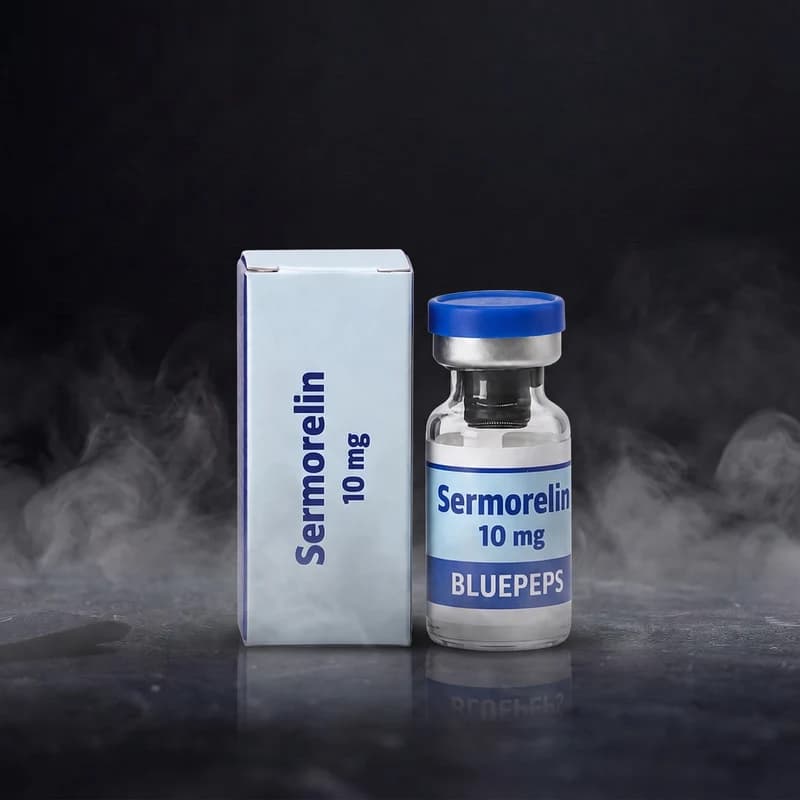
SERMORELIN 10mg/vial 1 Vial by Bluepeps

€52.00
SermorelinBatch Tested

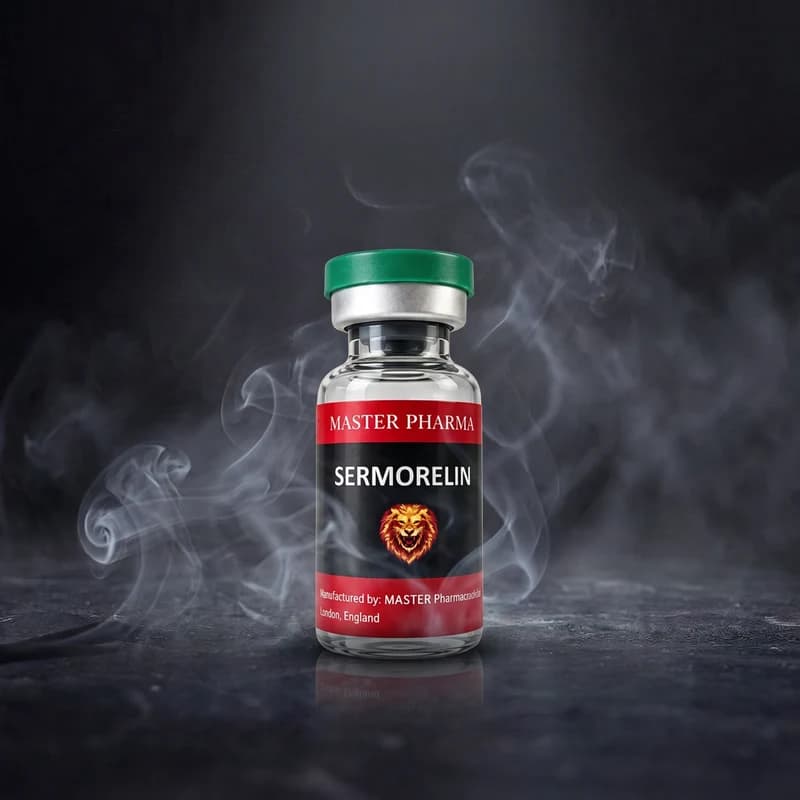
Sermorelin 10mg/vial 1 Vial by Master Pharma

€32.00

Stack it with

Pairs well with these products.

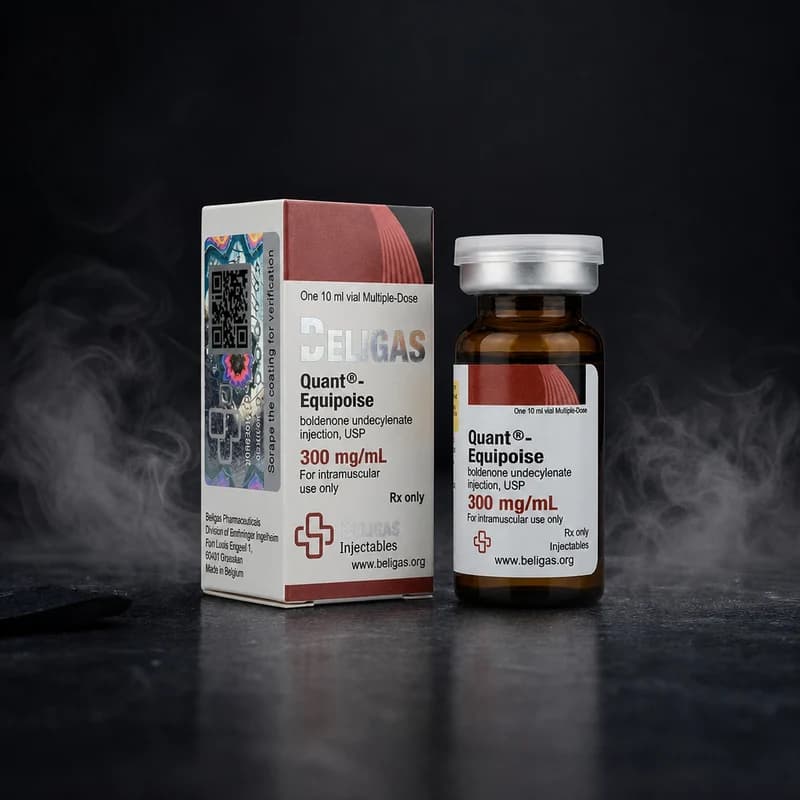
Quant-Equipoise 300mg/ml 10ml Vial by Beligas PharmaceuticalsHigh Concentration

Quant-Equipoise 300mg/ml 10ml Vial by Beligas Pharmaceuticals

€47.00
Bolden-250 250mg/ml 10x1ml Ampoules by BM PharmaceuticalsLong-Acting Formula

Bolden-250 250mg/ml 10x1ml Ampullen by BM Pharmaceuticals

€48.00
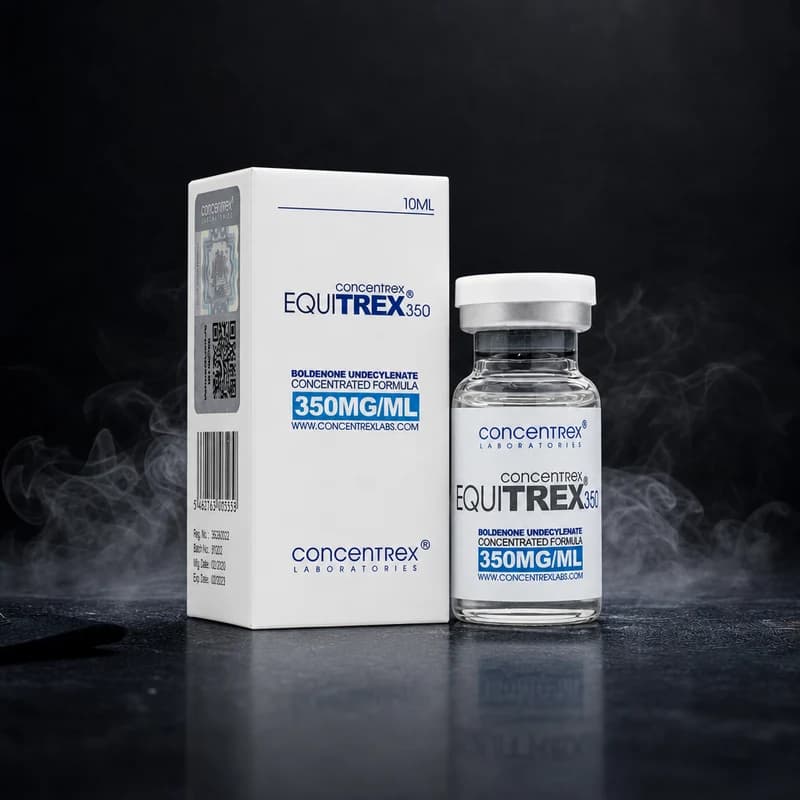
EquiTrex 350mg/ml 10ml Vial by Concentrex LabsBrand Quality

EquiTrex 350mg/ml 10ml Vial by Concentrex Labs

€52.00
EQ 300 300mg/ml 10ml Vial by Dragon-PharmaPro Choice

EQ 300 300mg/ml 10ml Vial by Dragon-Pharma

€44.00